PFAS in construction waste
The danger posed by PFAS, so-called "perpetual chemicals", has arrived in the Swiss construction industry. New studies confirm the spread of these pollutants in demolition materials and groundwater. The federal government and the industry are looking for solutions, but the road to a pollutant-free circular economy is still a long one.
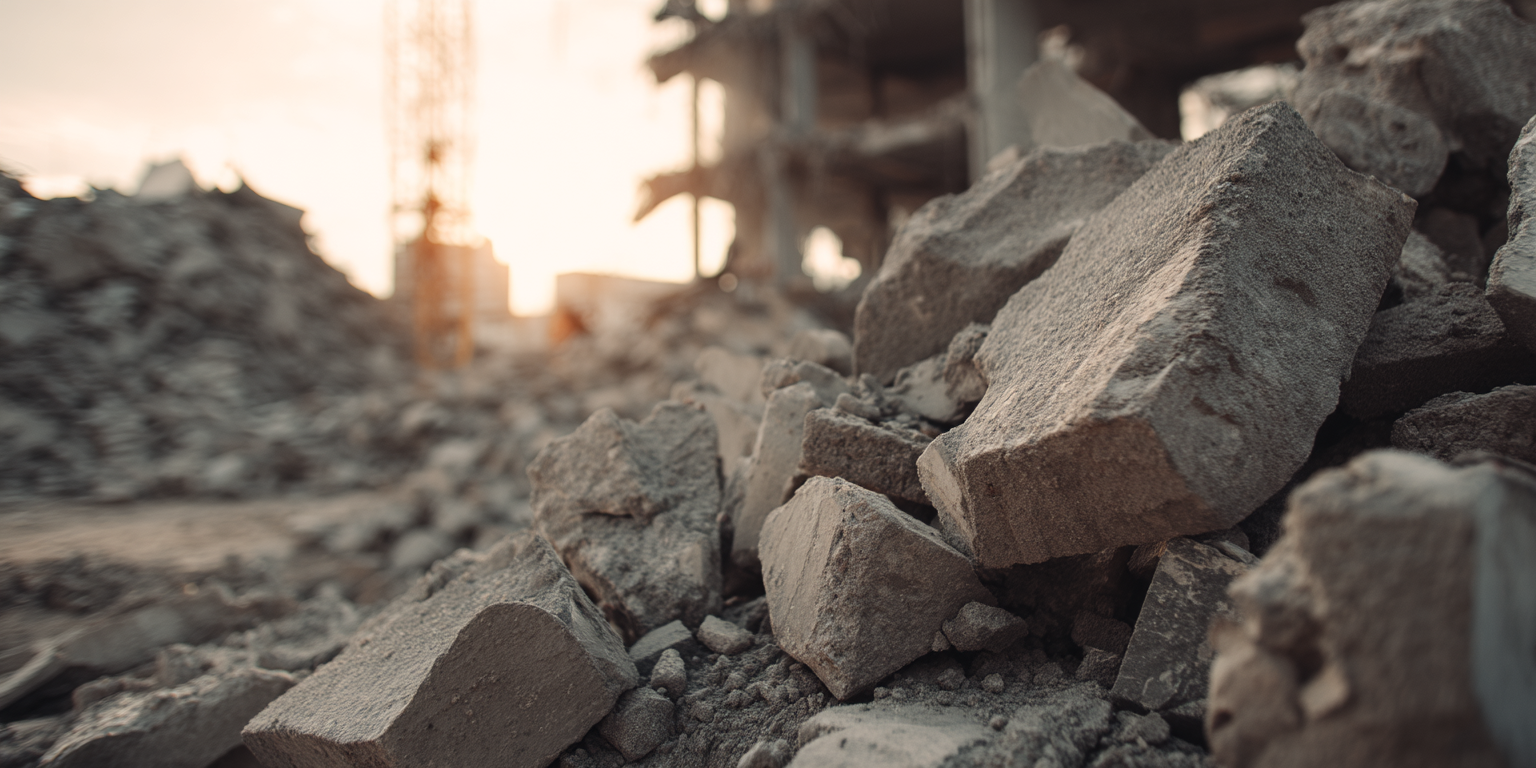
Around 7.4 million tons of mineral construction waste are produced in Switzerland every year, with demolition, refurbishment and new construction continuing to increase the quantities. It is not only asbestos and PCBs that are problematic, but also PFAS (per- and polyfluorinated alkyl substances). These chemicals are considered carcinogenic and accumulate in the human body.
A study by the University of Bern found up to seven PFAS substances in 20 samples of demolition material, some in concentrations of up to 5 micrograms per kilogram. Although the quantities are considered low, the research team recommends further investigations. Landfills are usually not sealed, PFAS can be washed out and thus enter the groundwater, where they pollute the food chain and drinking water.
Measurements and new standards
The Swiss Building Materials Association Circular Switzerland and the Federal Office for the Environment are working together with cantons and independent laboratories to determine PFAS contamination in gravel works, concrete plants and existing buildings. The investigation is nearing completion. The findings are to be incorporated into a practical guide for dealing with PFAS. The federal government is planning limit values for PFAS in contaminated sites and waste by 2026, which construction companies will have to comply with in future.
In civil engineering, the Federal Roads Office has recommended avoiding PFAS-containing substances for the time being. Due to the lack of legislation, Astra is not yet able to enforce any bans, but is working on checklists for PFAS-free construction products.
Health risk and circular economy
The Federal Office of Public Health is monitoring the PFAS problem in indoor spaces and warns of its persistence. PFAS bind to materials for a long time and become problematic when abraded and inhaled, but have so far been less relevant in the living environment, as the main source remains food. According to the authorities, the risk of exposure from building rubble and landfill sites is greater. This is because rainwater washes PFAS into the groundwater and thus into the food chain. Although leachate is technically purified, the risk of uncontrolled contamination remains.
The Building Materials Association emphasizes that the recyclability of demolition material is endangered by the new limit values. At the same time, the industry wants to keep the chemicals out of the cycle. Professional removal and disposal are possible, but it is calling for clear and practicable guidelines from the federal government.
PFAS in Swiss soil
A recent Swiss study shows that PFAS can now be detected in all topsoils, even in remote forest and mountain areas. Point sources such as fire extinguishing training grounds and electroplating plants increase local pollution. Agricultural soils in particular contain high PFAS levels, often caused by sewage sludge used as fertilizer. The large number of applications makes it difficult to trace the origin.
Political debate on PFAS
Following the detection of PFAS in meat from the canton of St. Gallen and the first bans, parliament has also taken up the issue. The authorities and the industry are working together on a mix of measures to protect the population and the environment. Environment Minister Albert Rösti confirms the seriousness of the situation. The government wants to respond with limit values, guidelines and tighter controls.