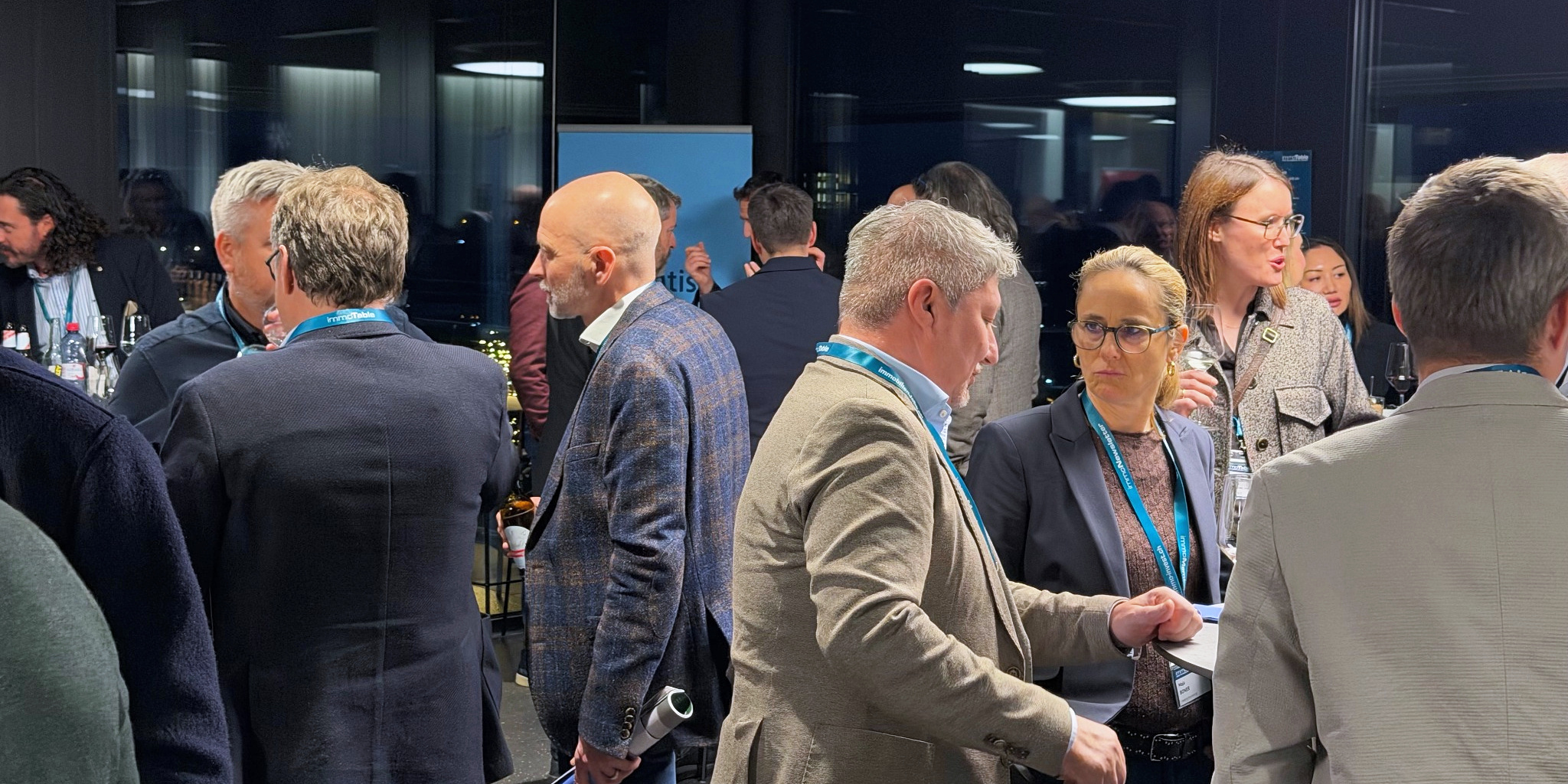
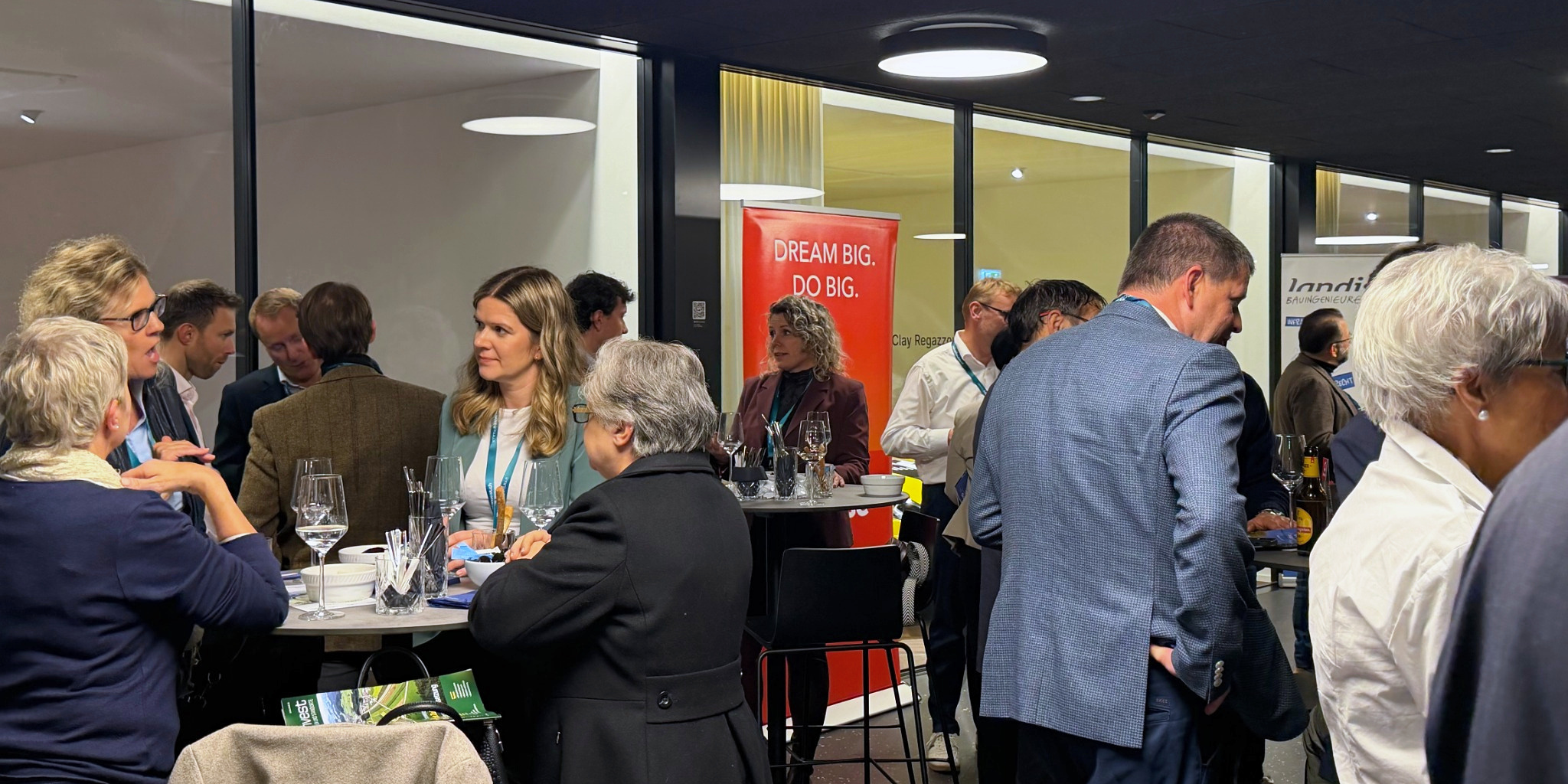
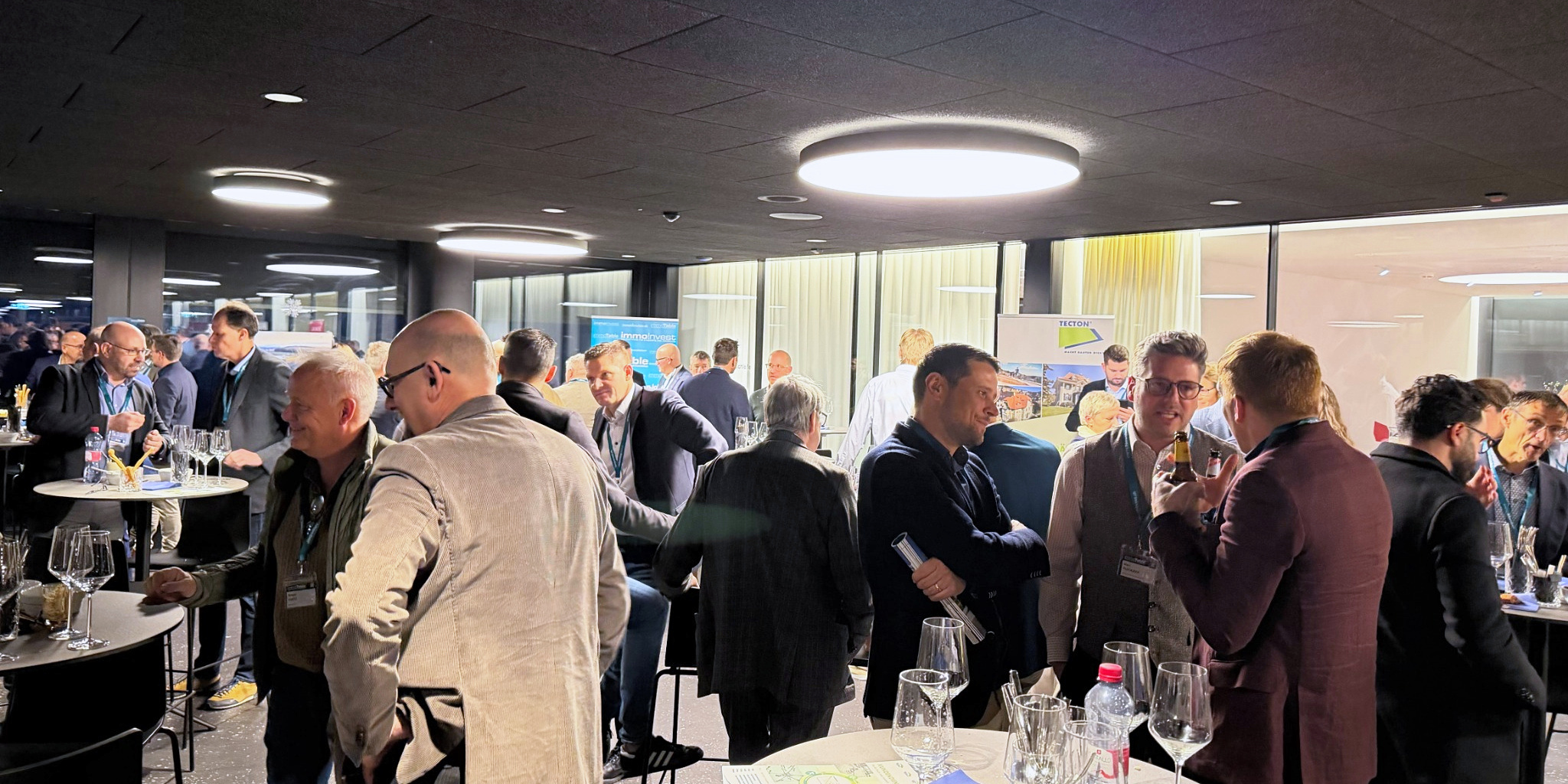
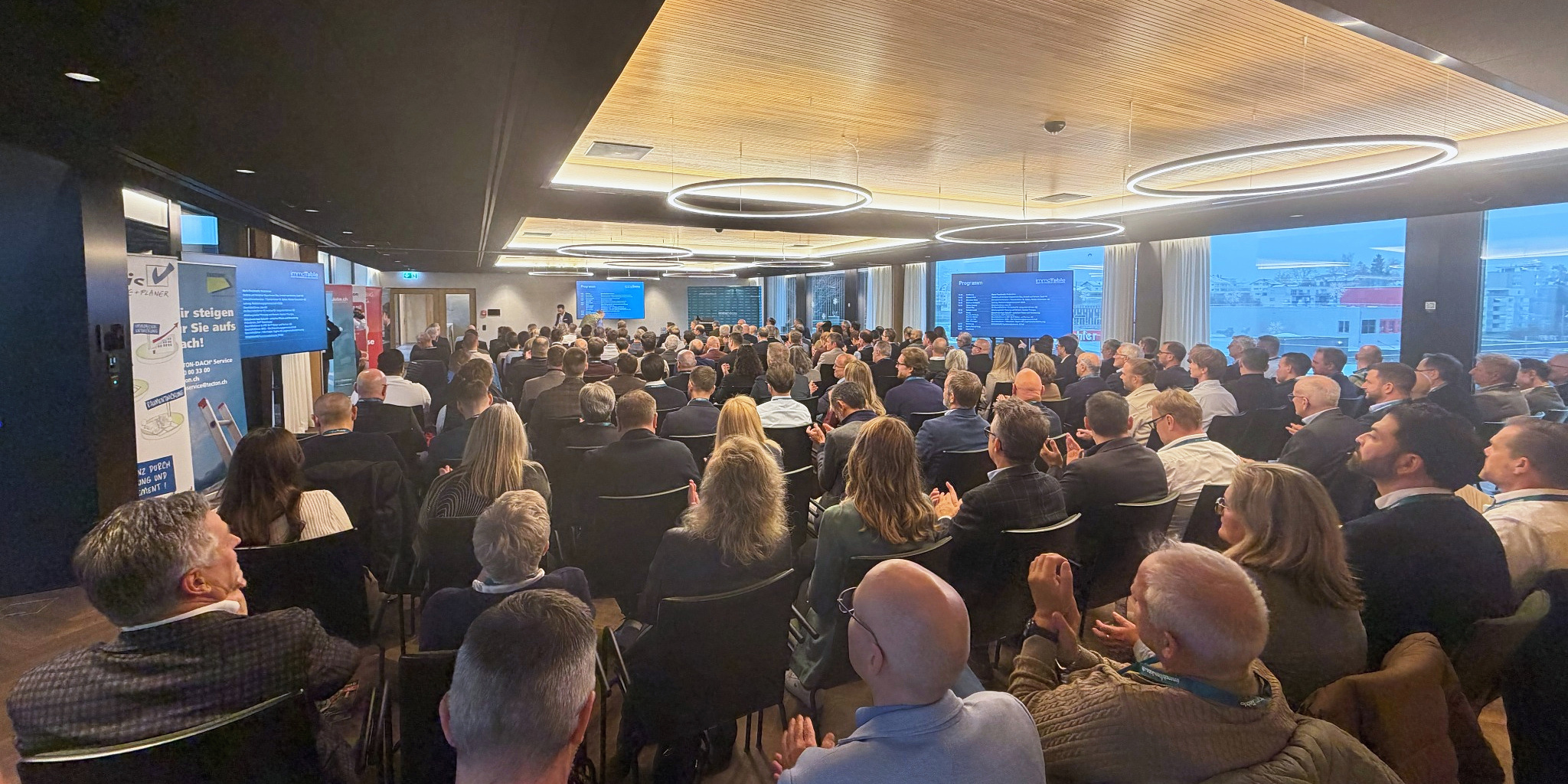
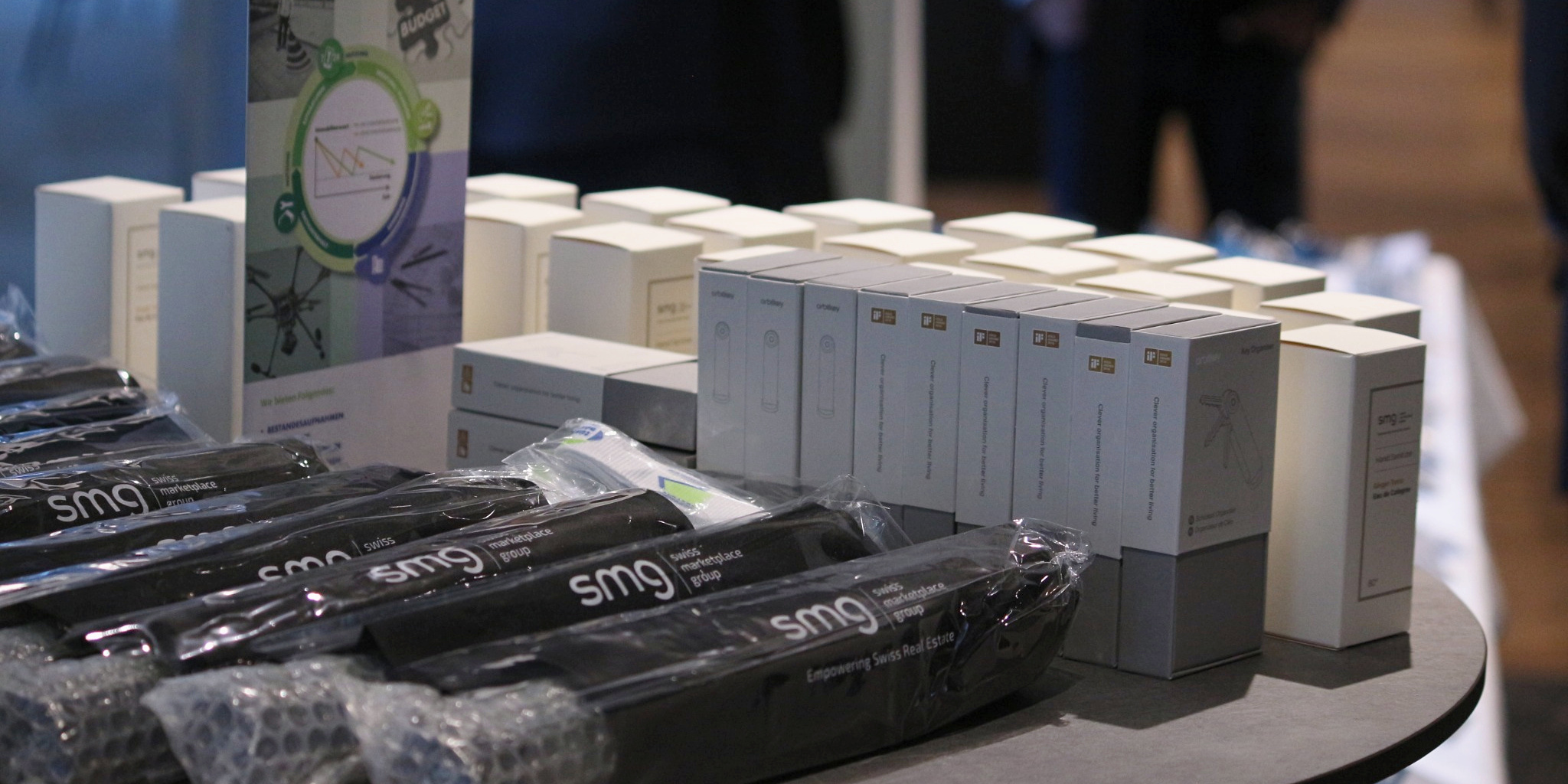

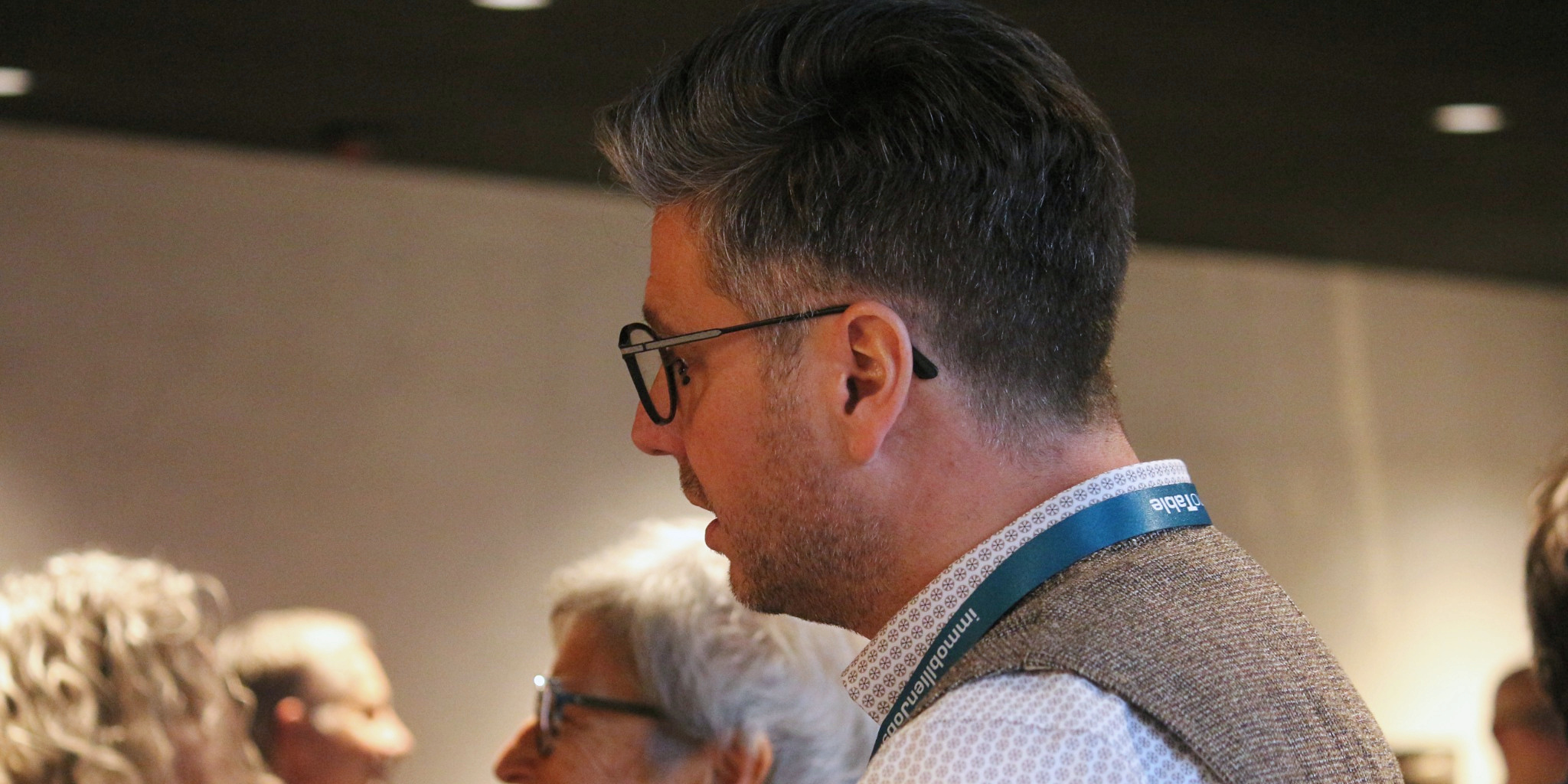
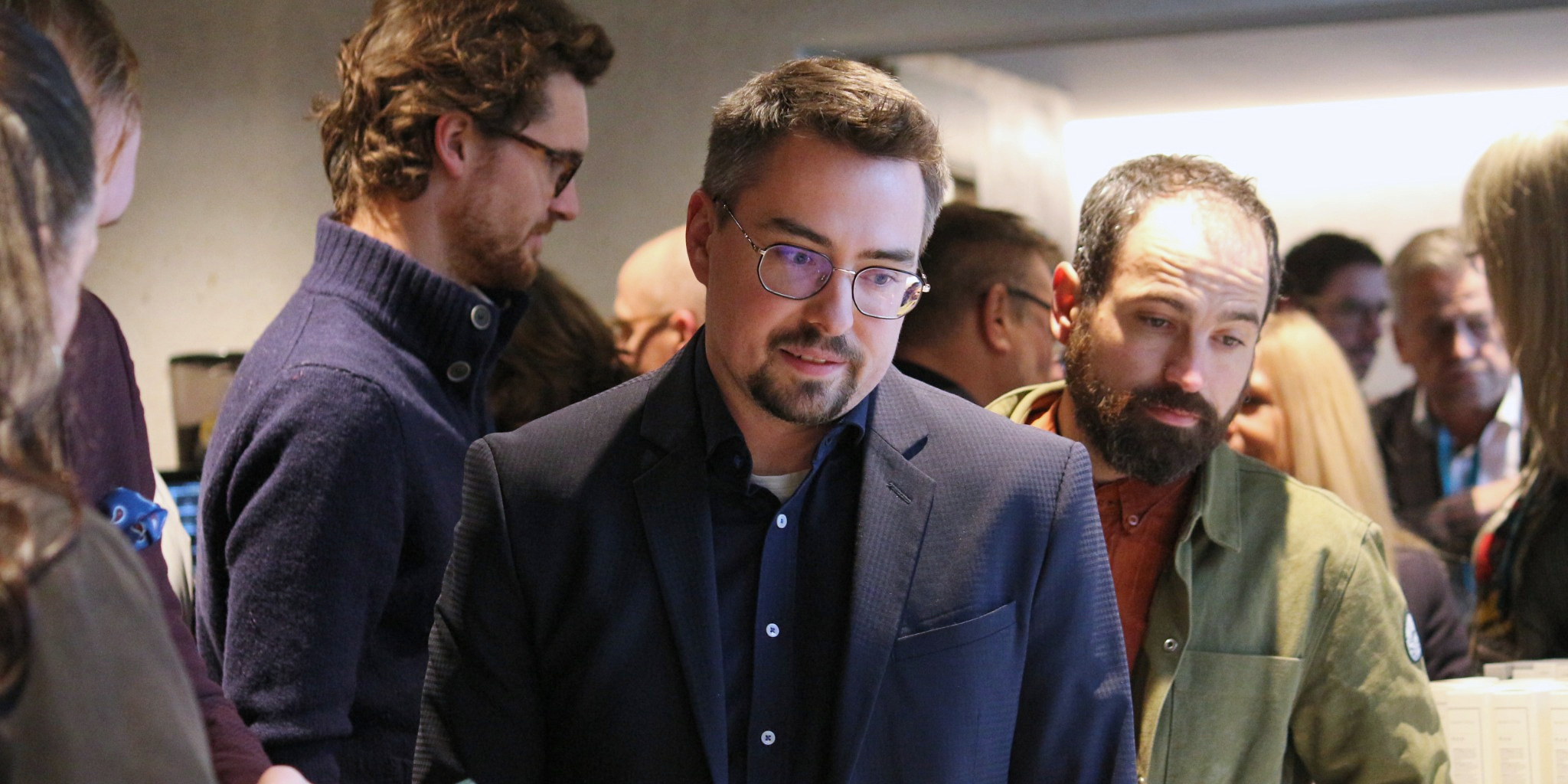
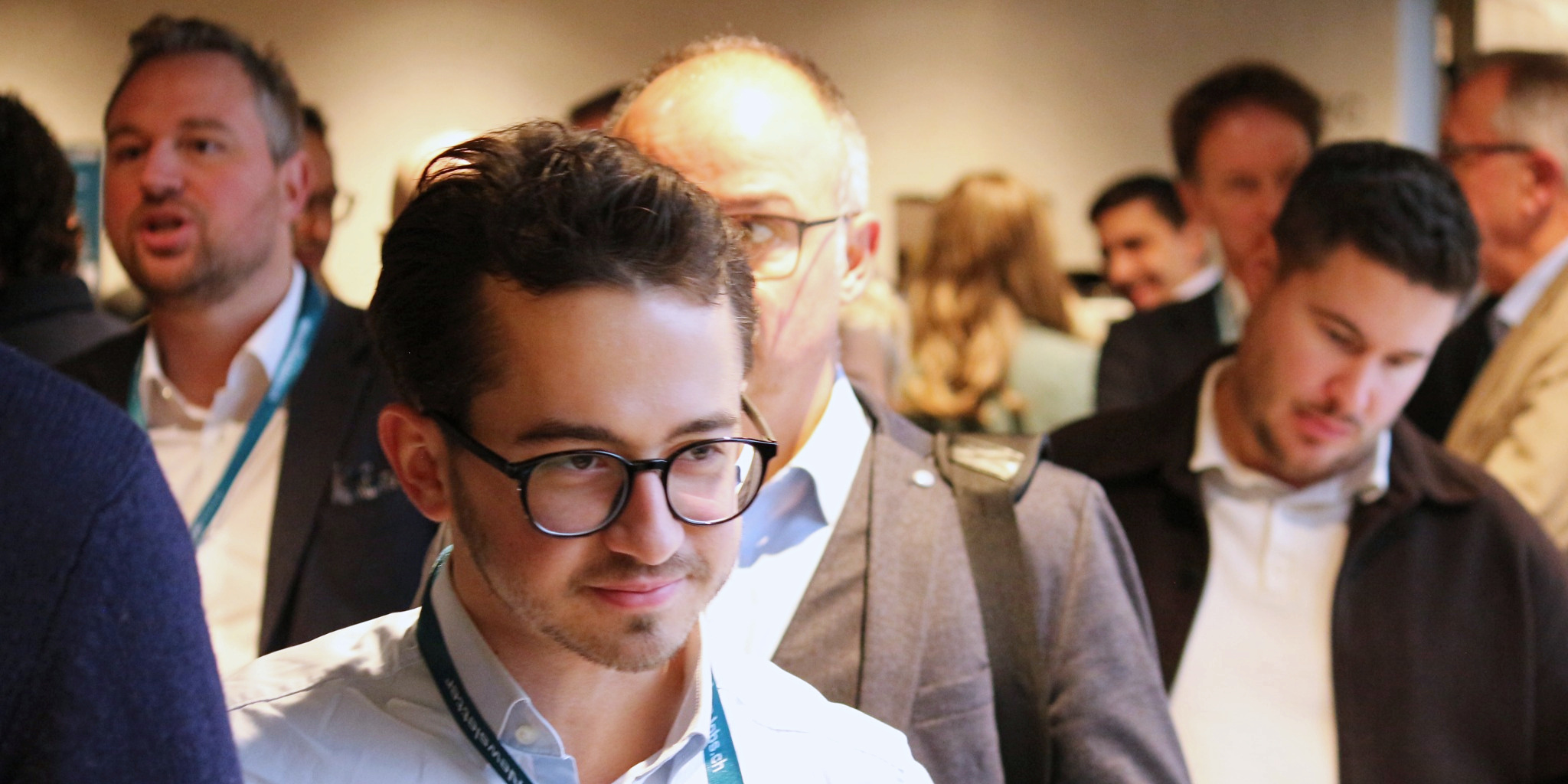
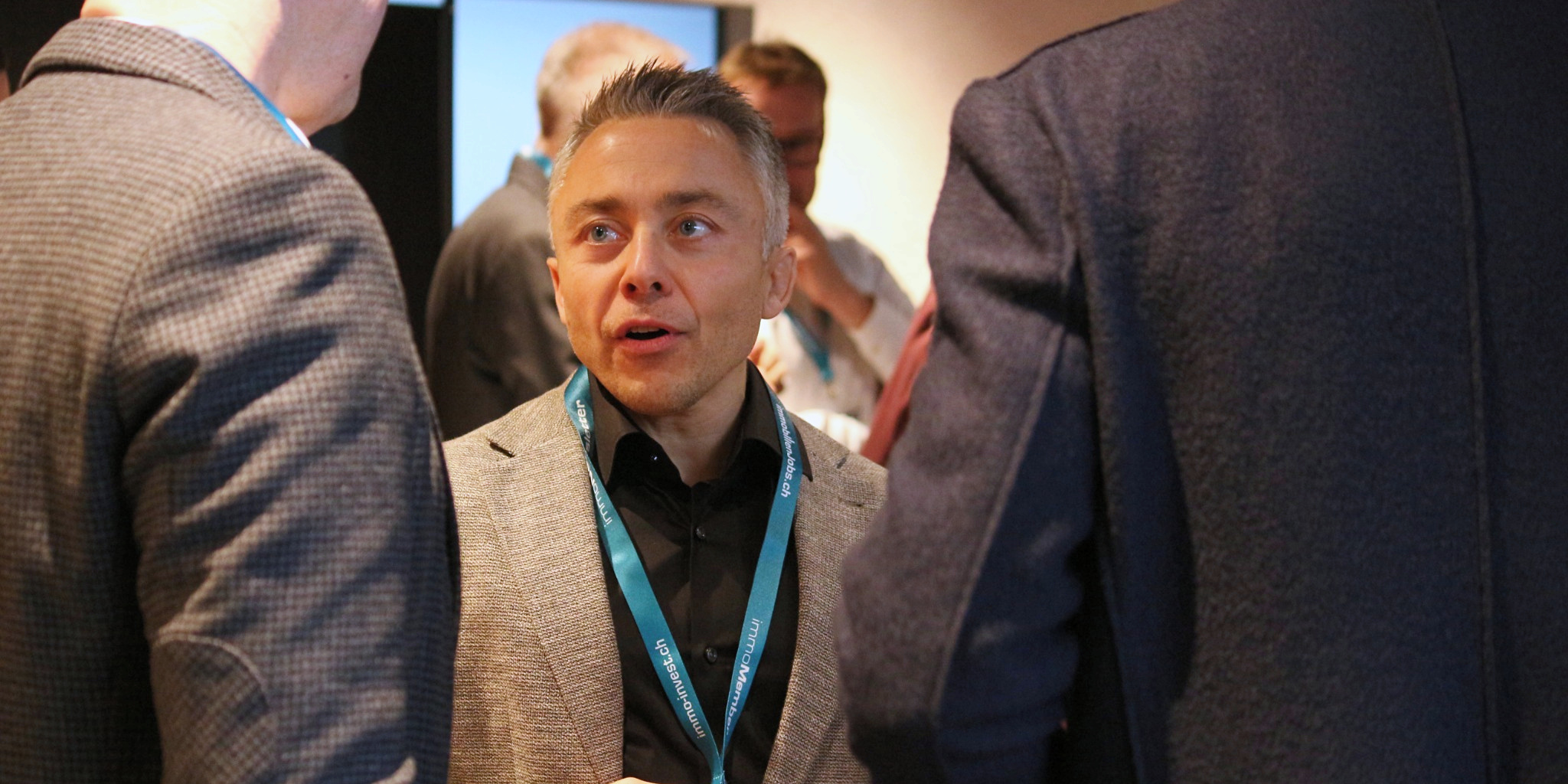
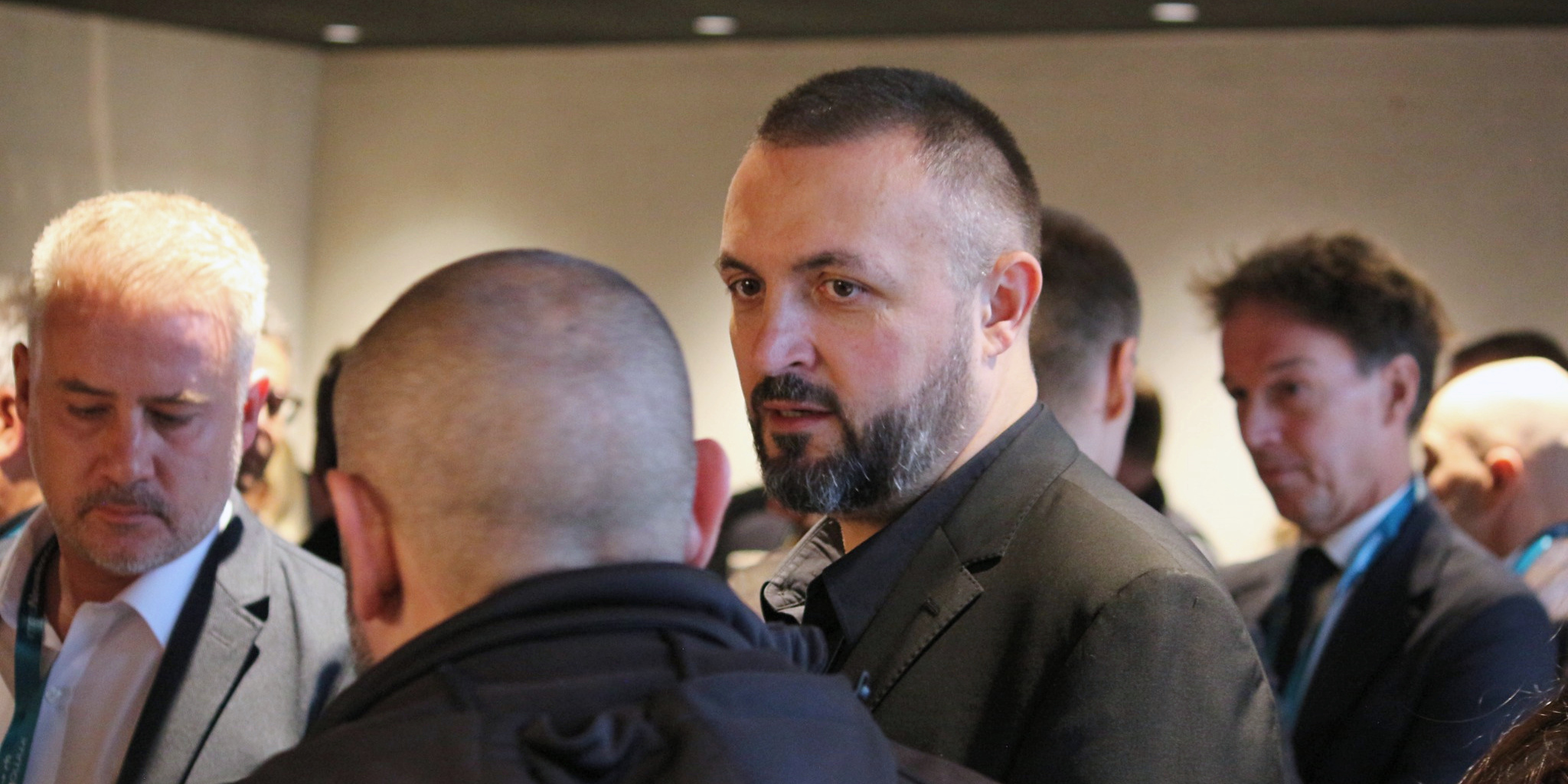
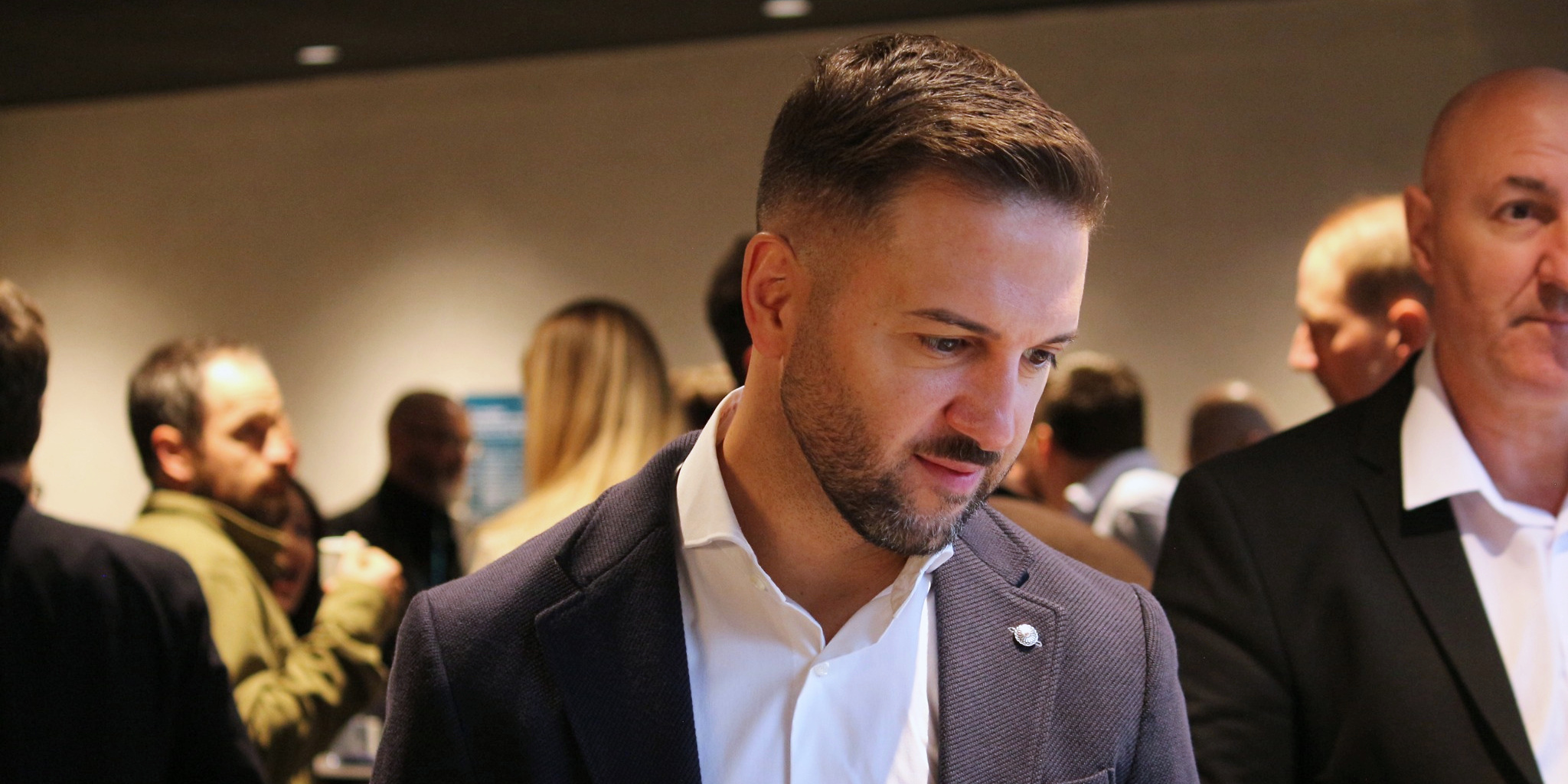
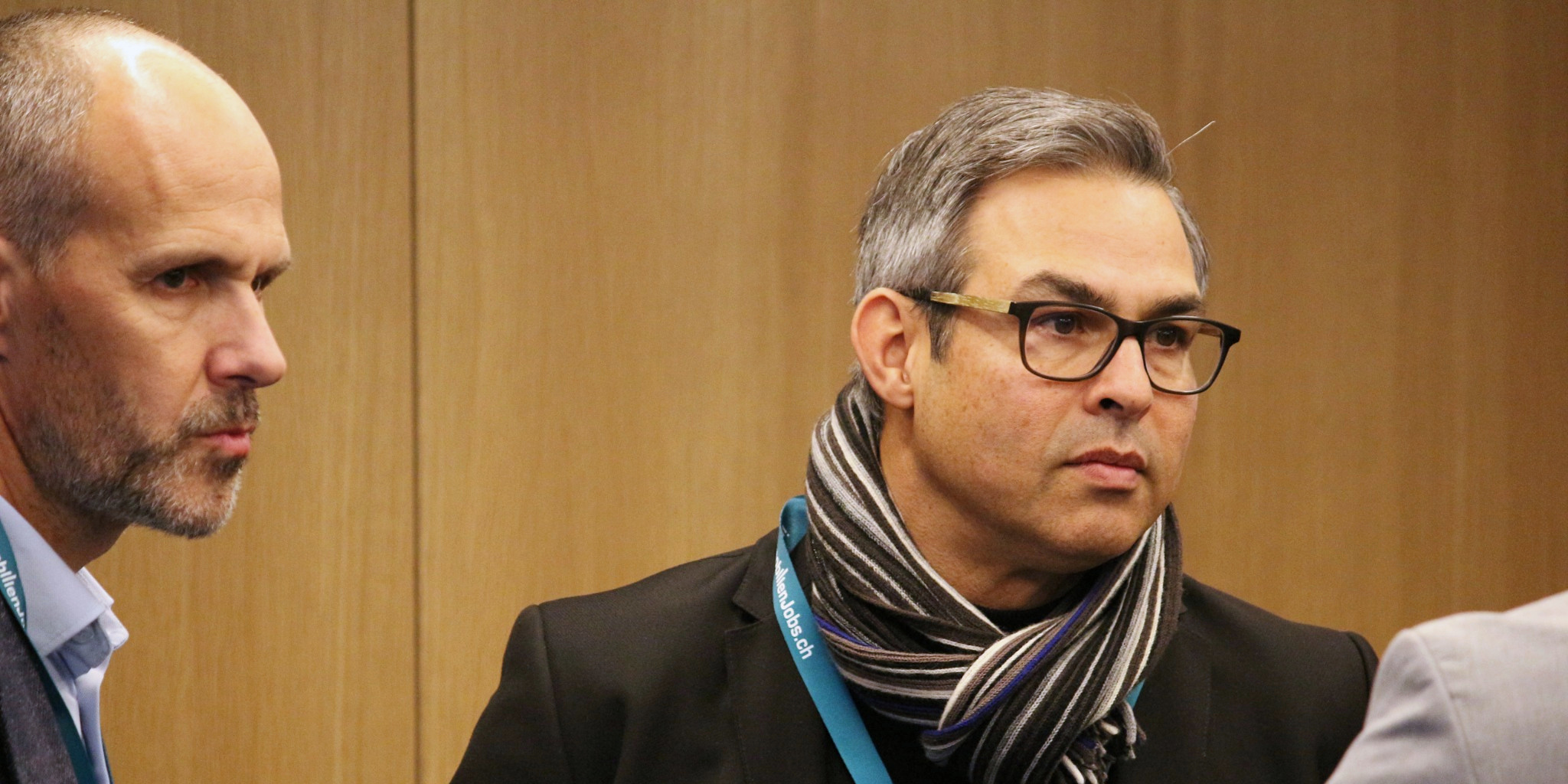
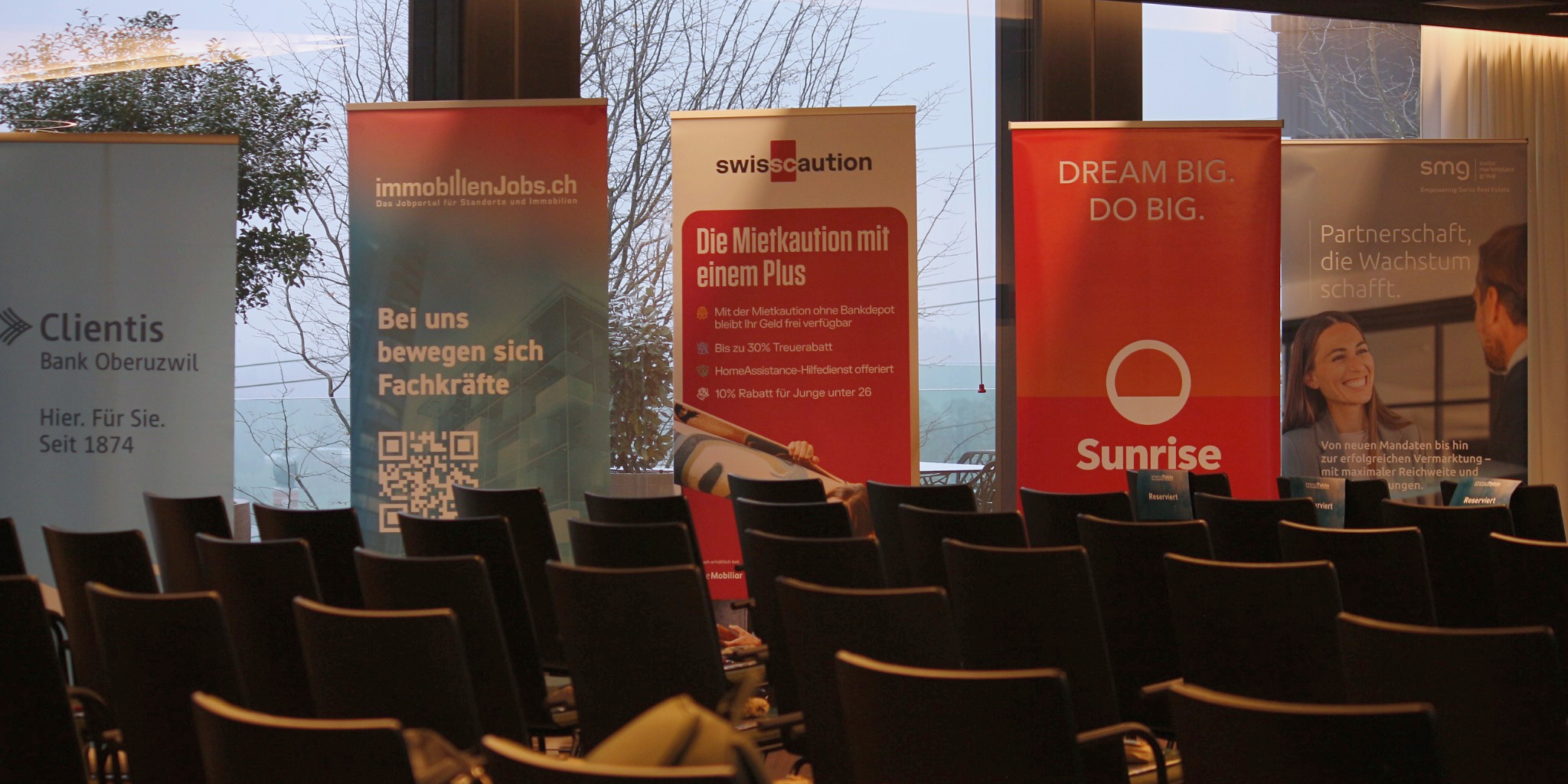
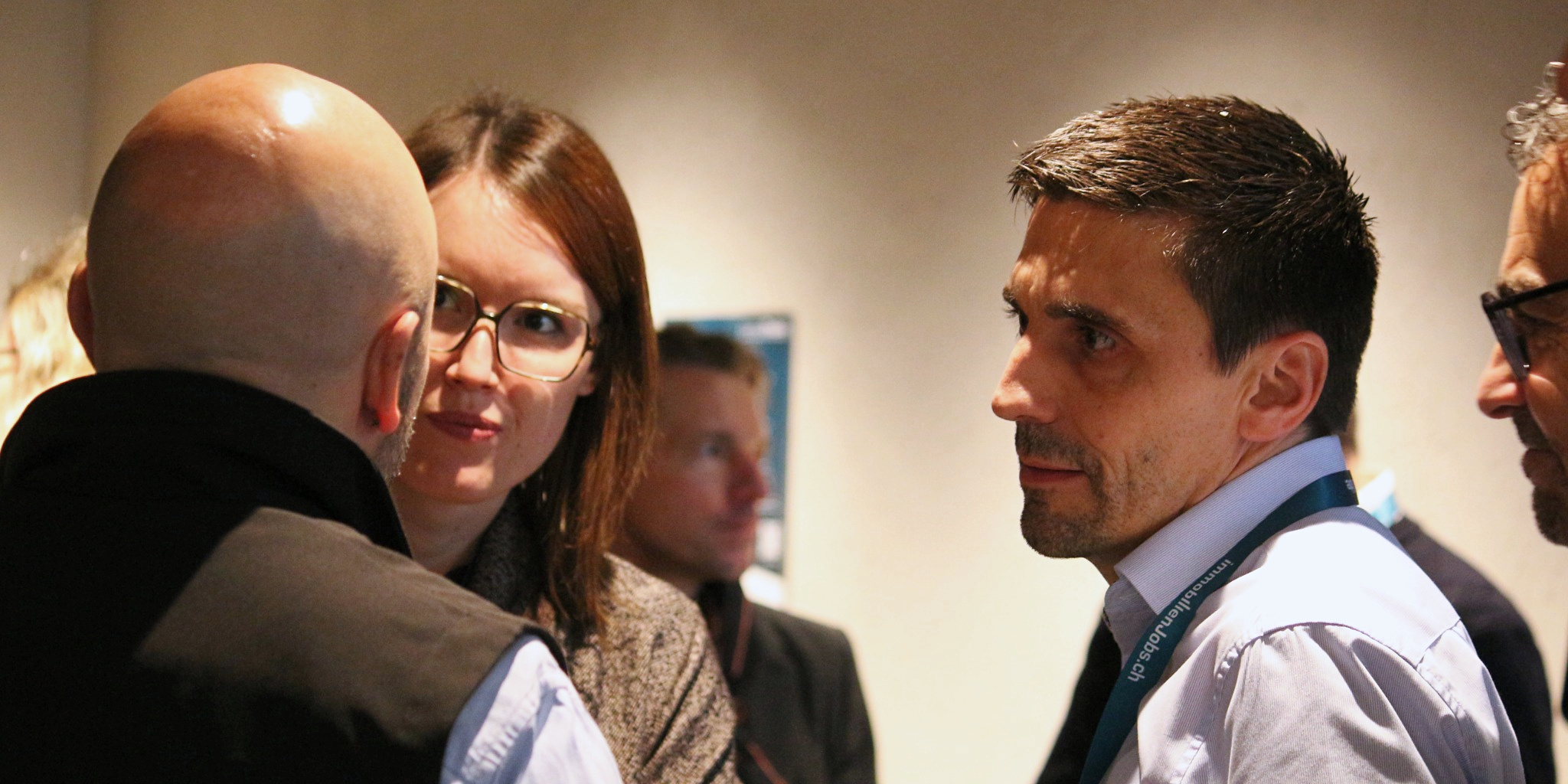
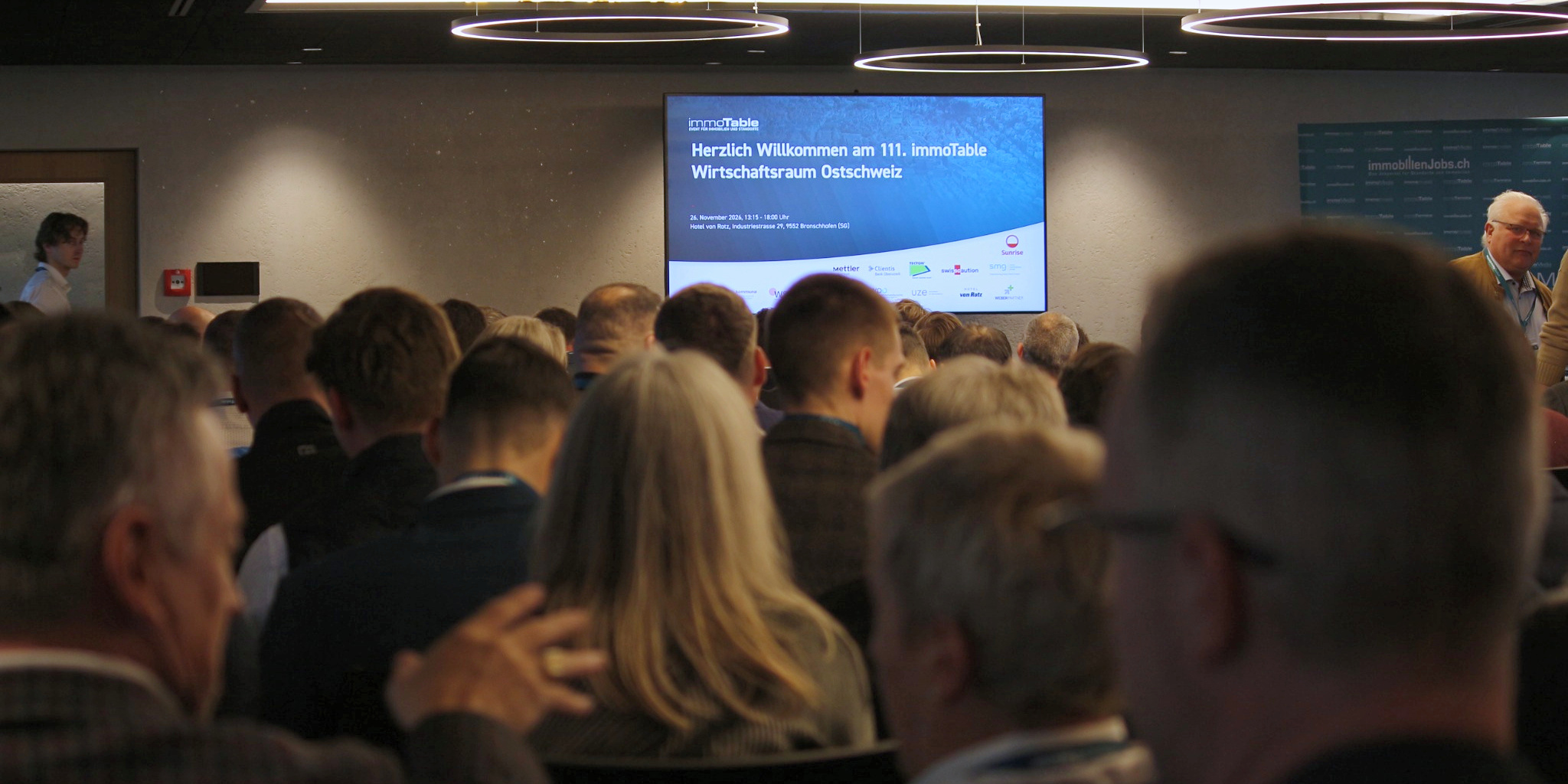
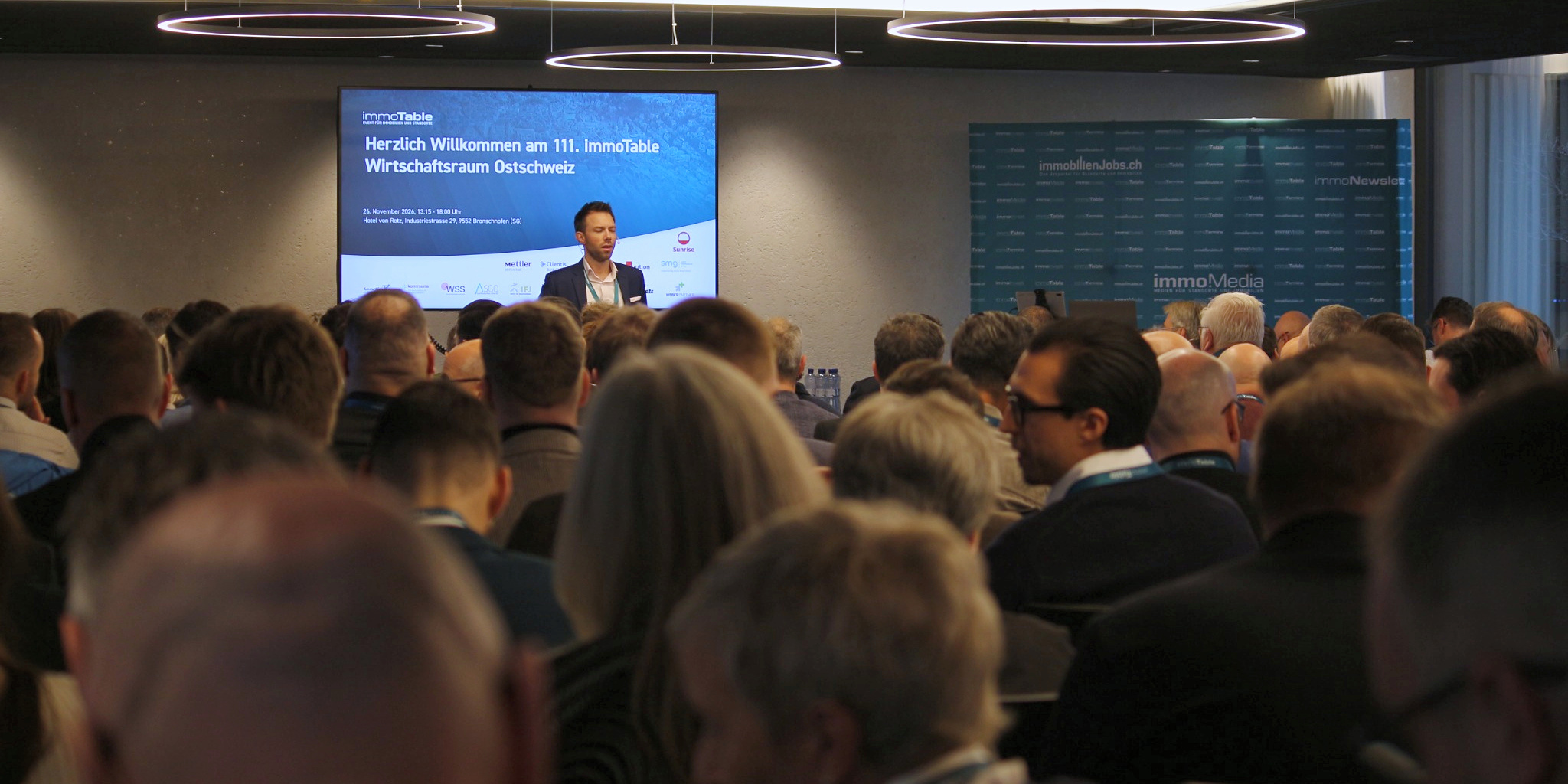
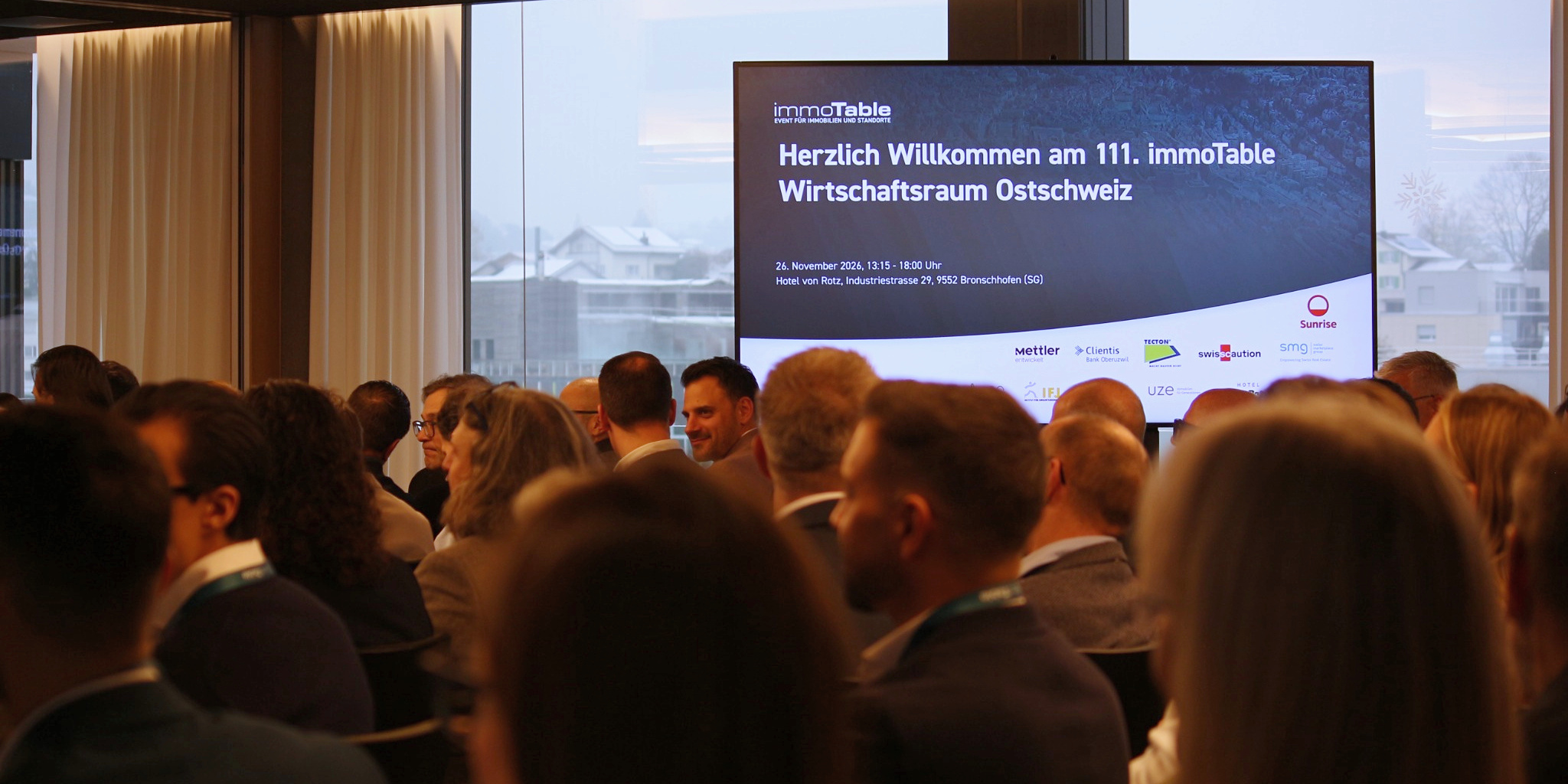
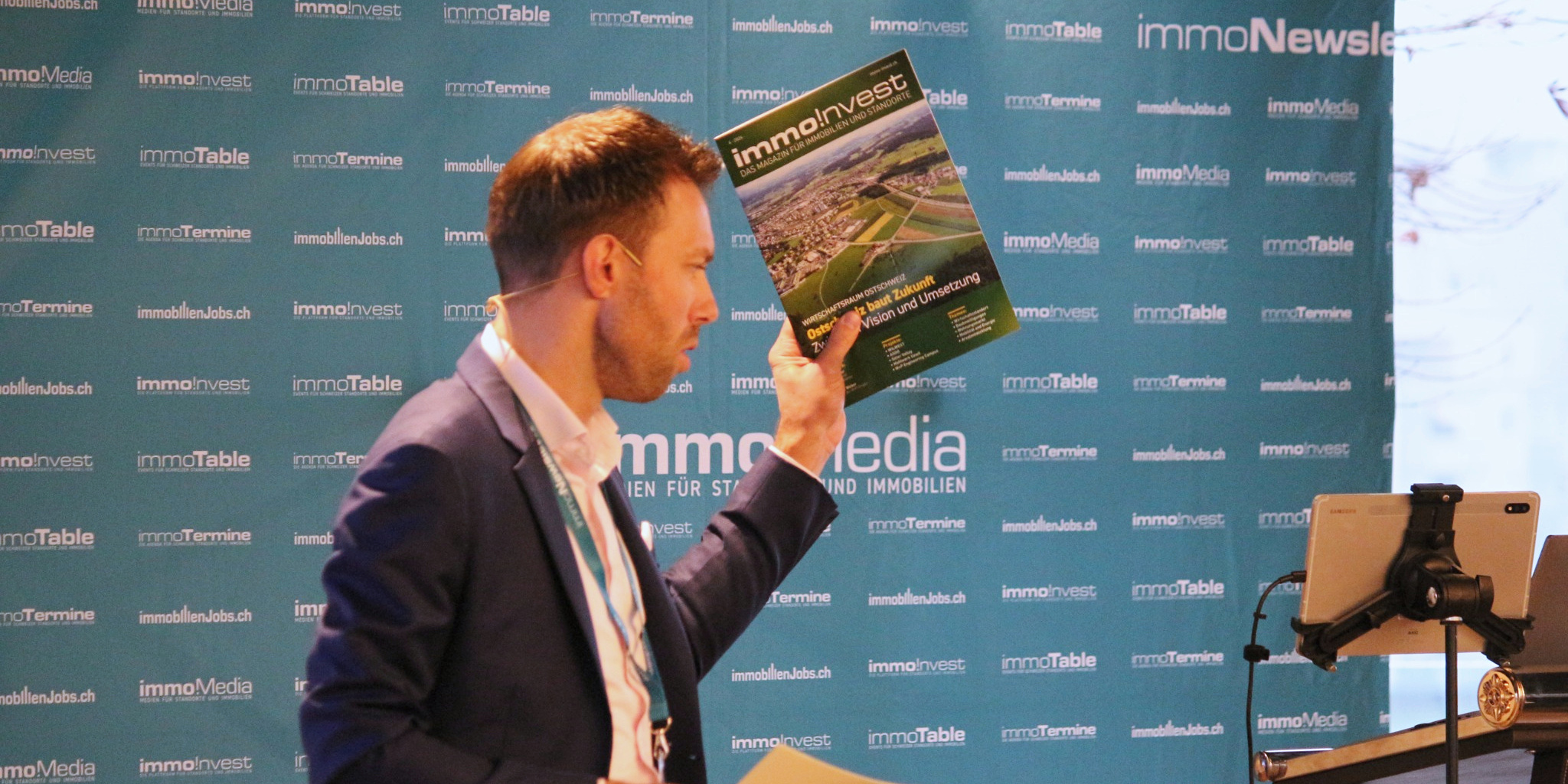
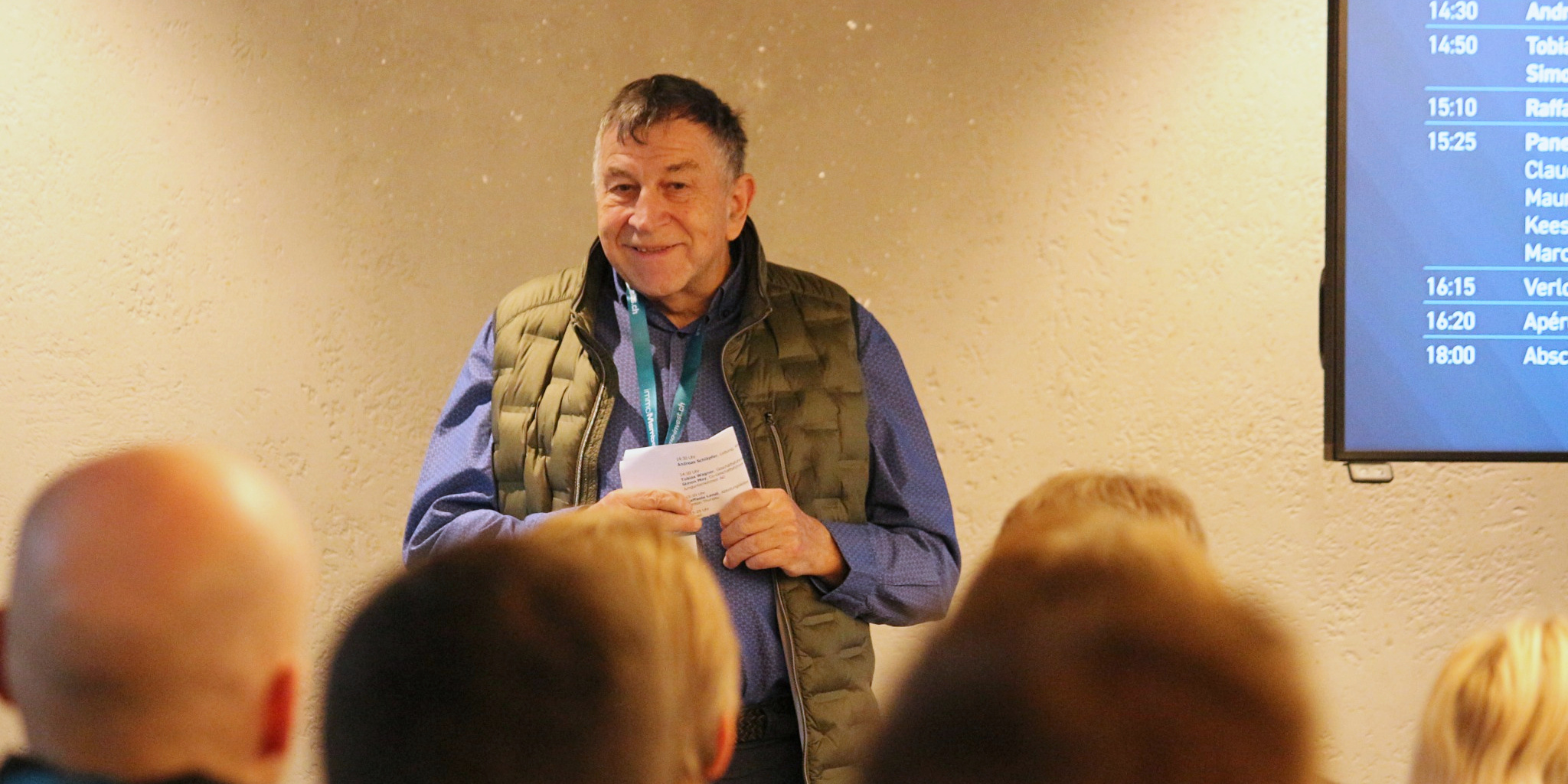
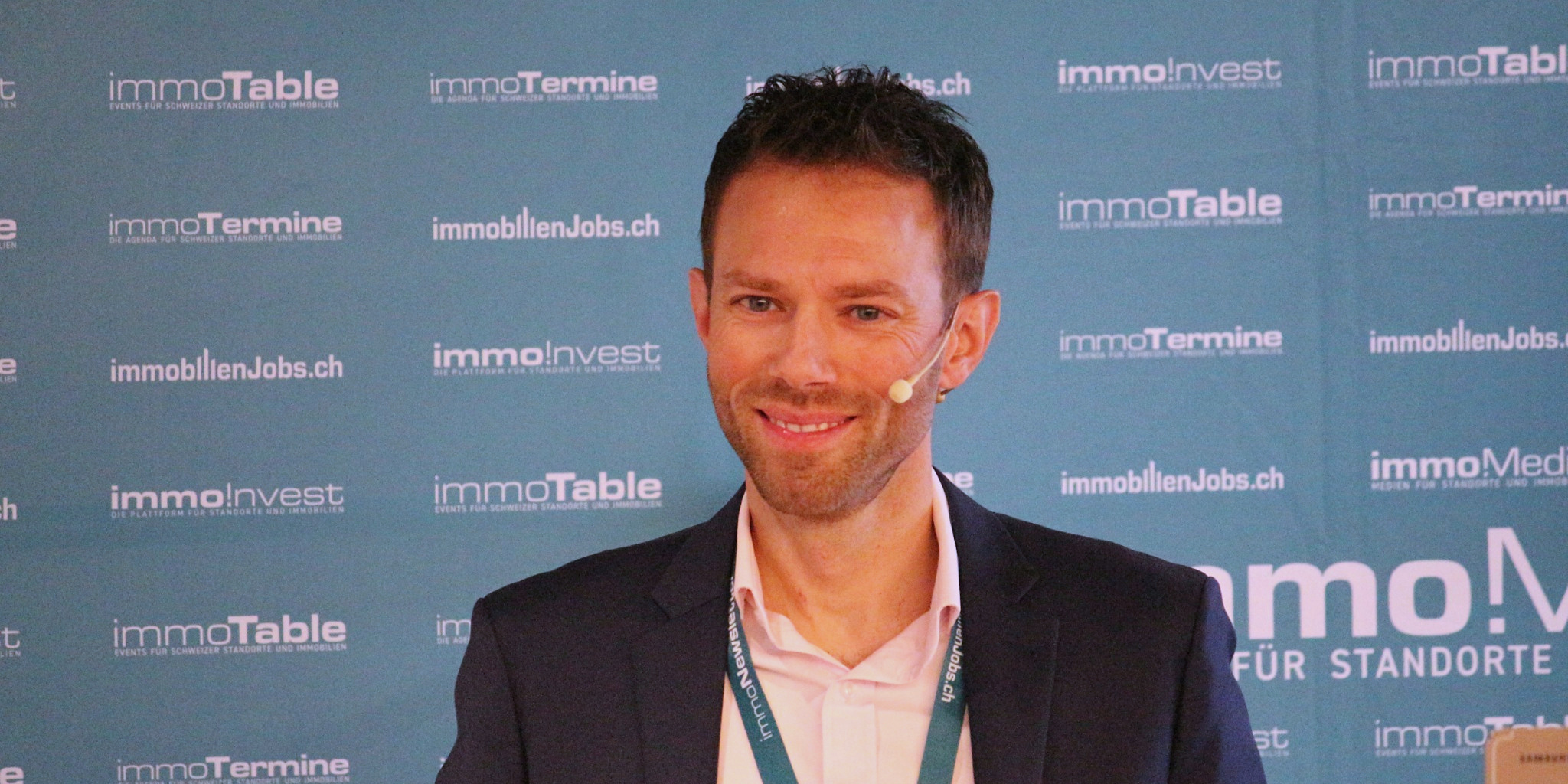
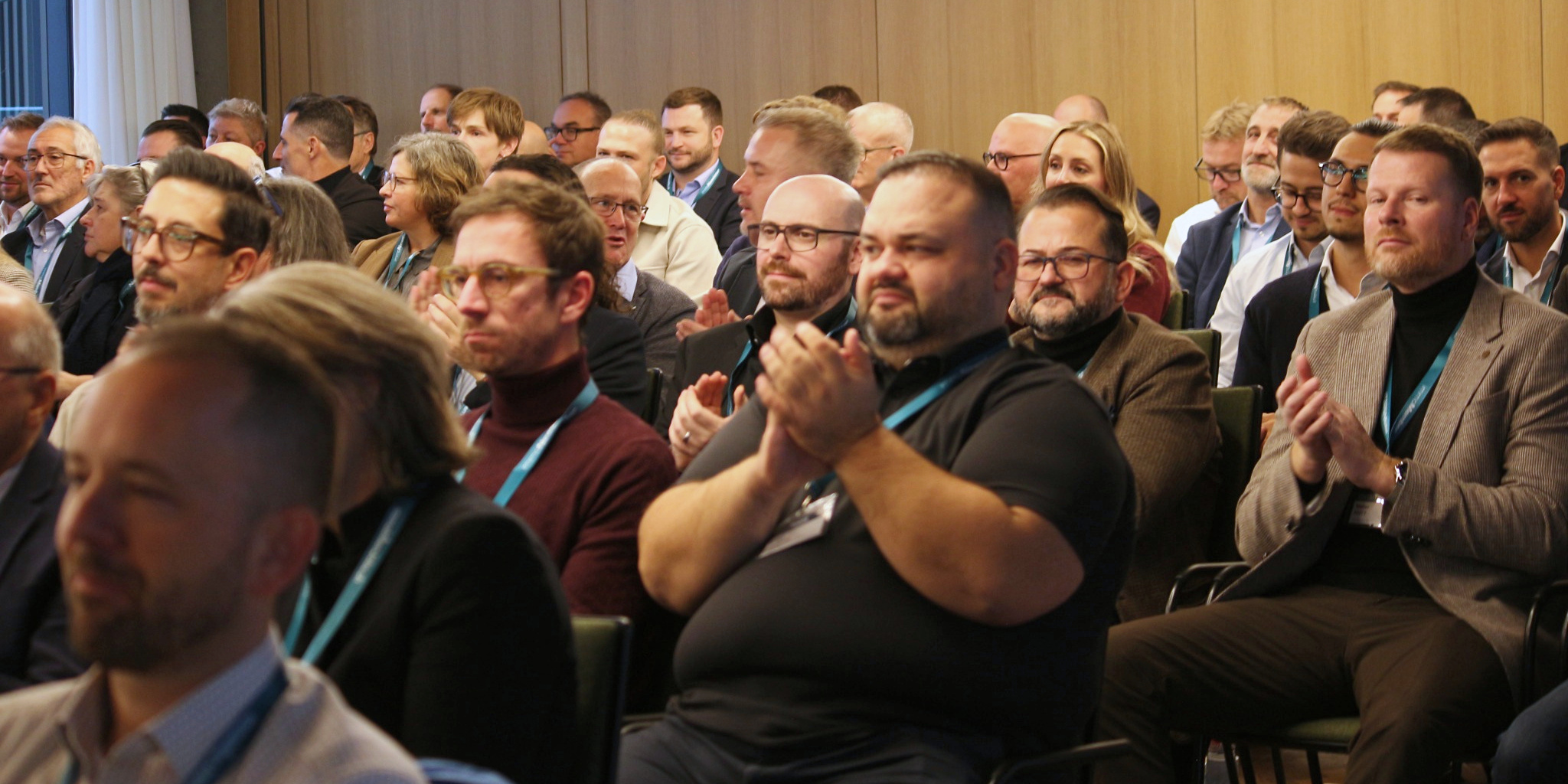
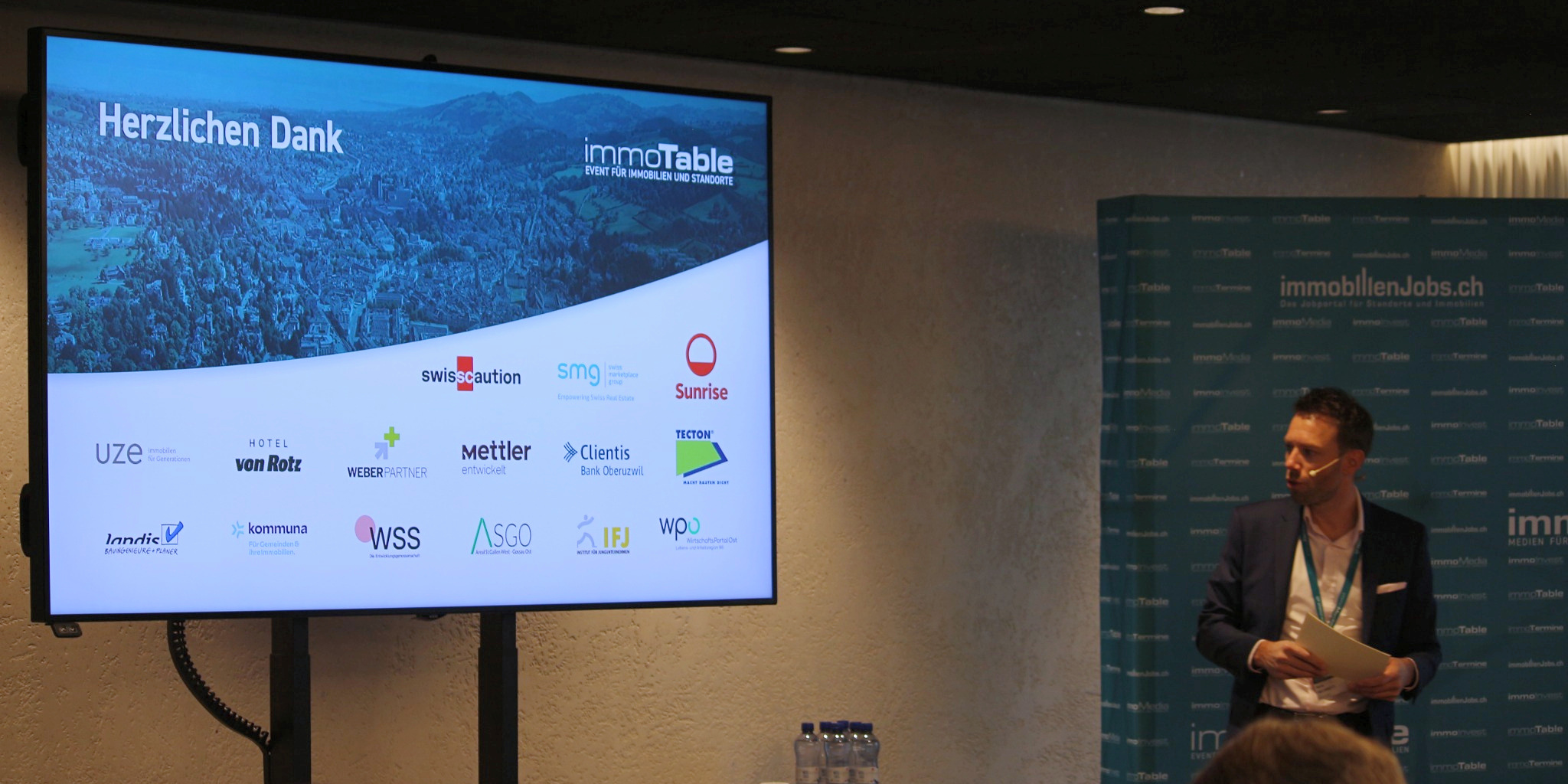
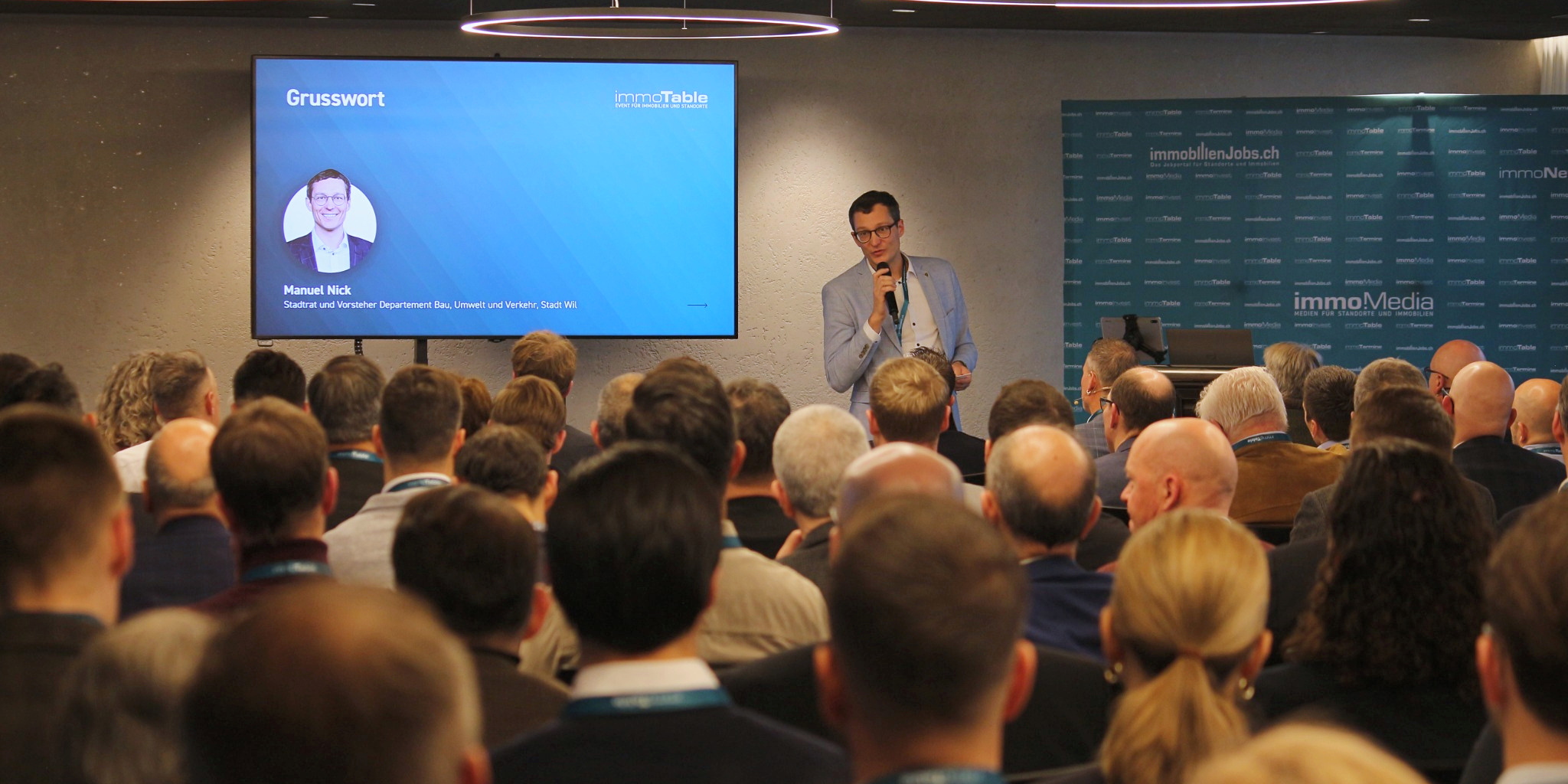
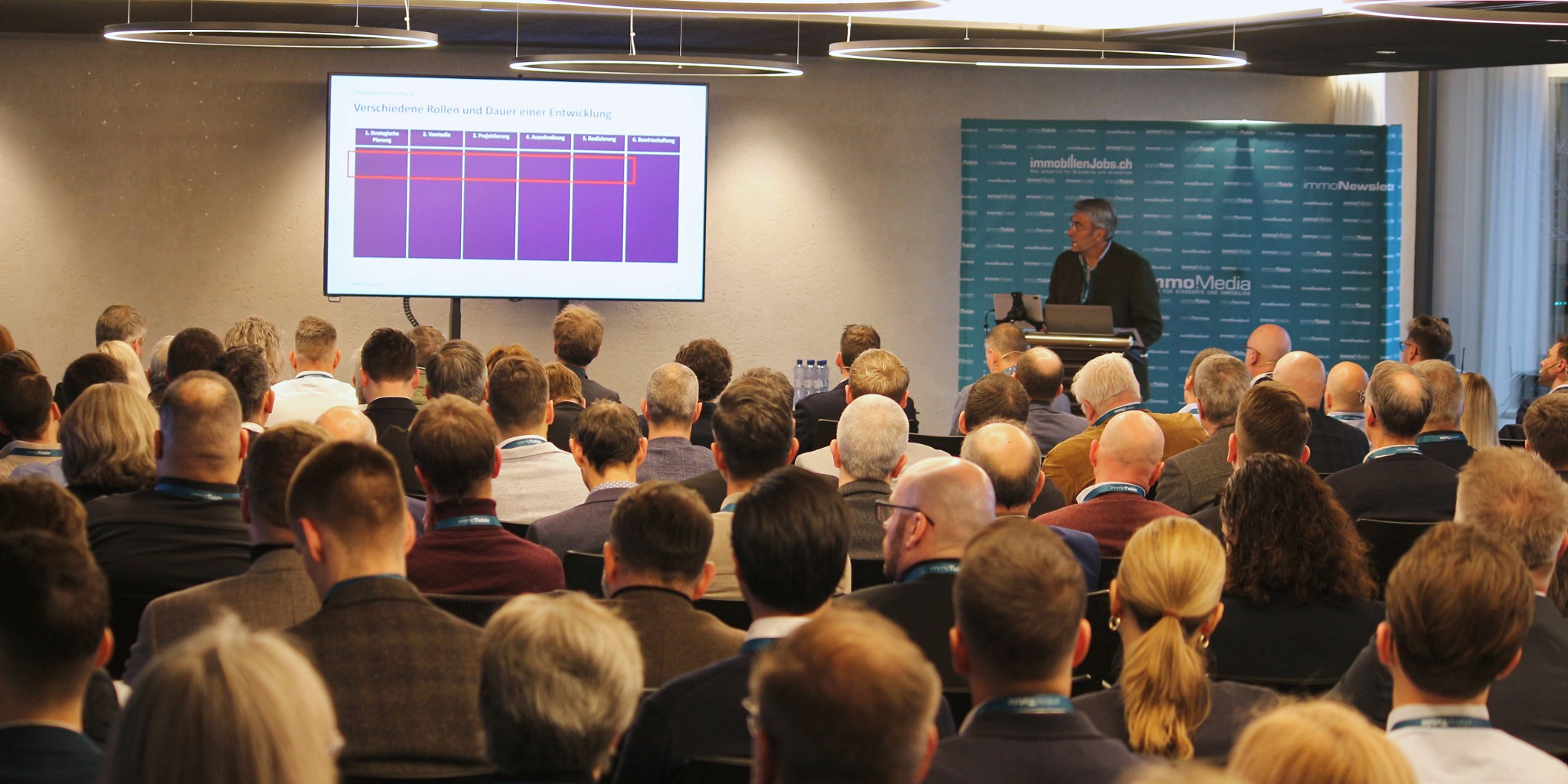
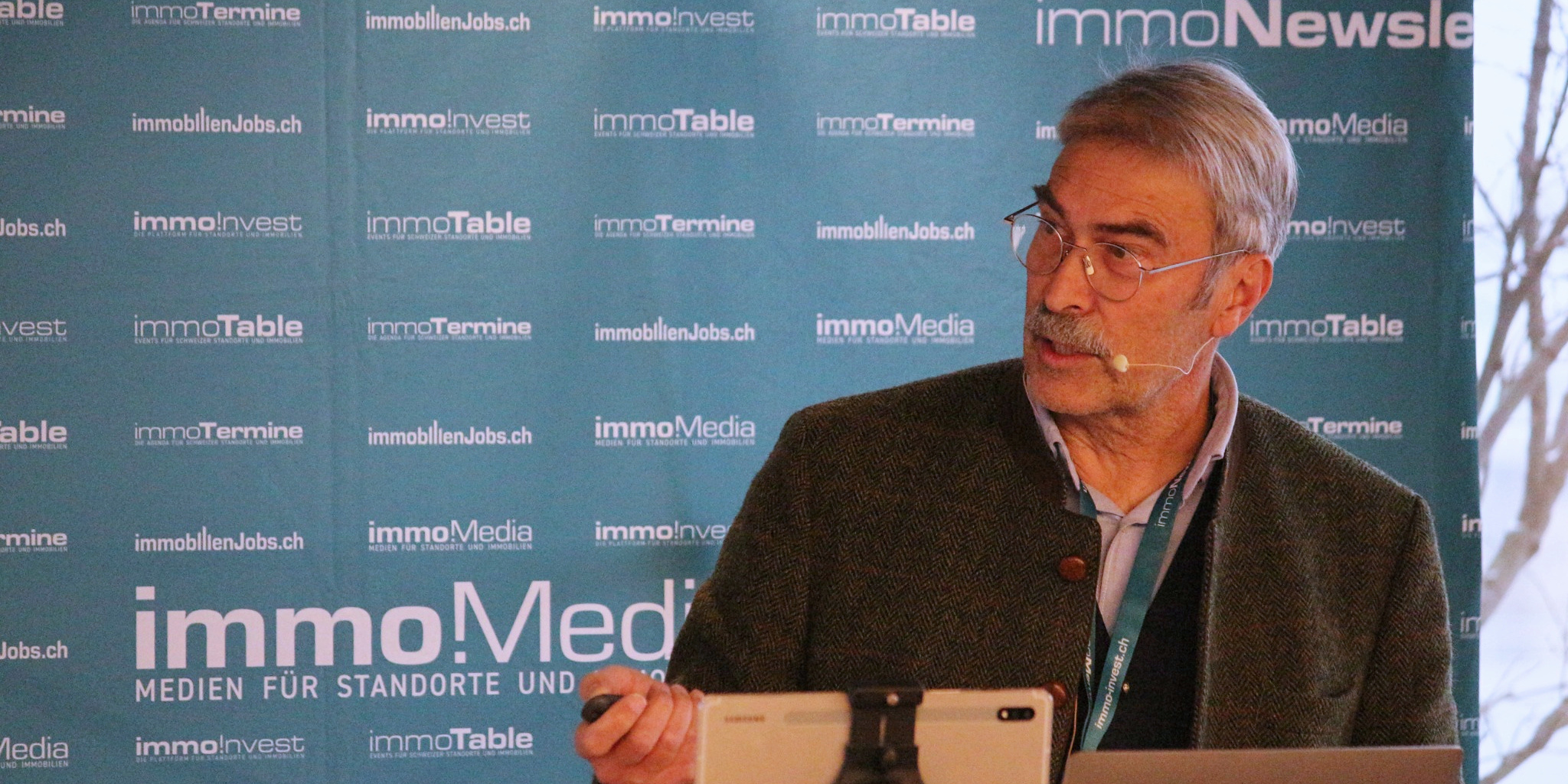
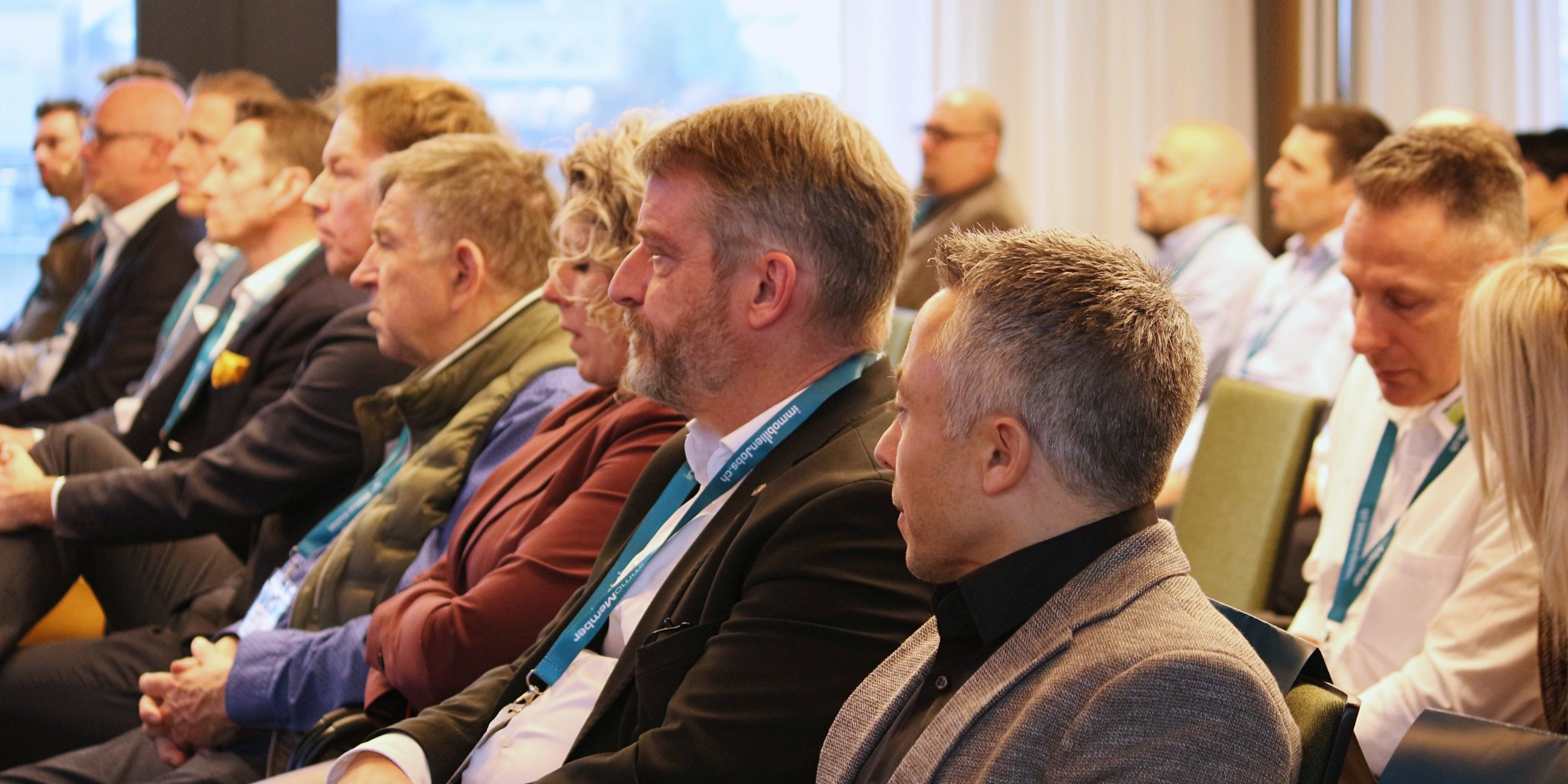
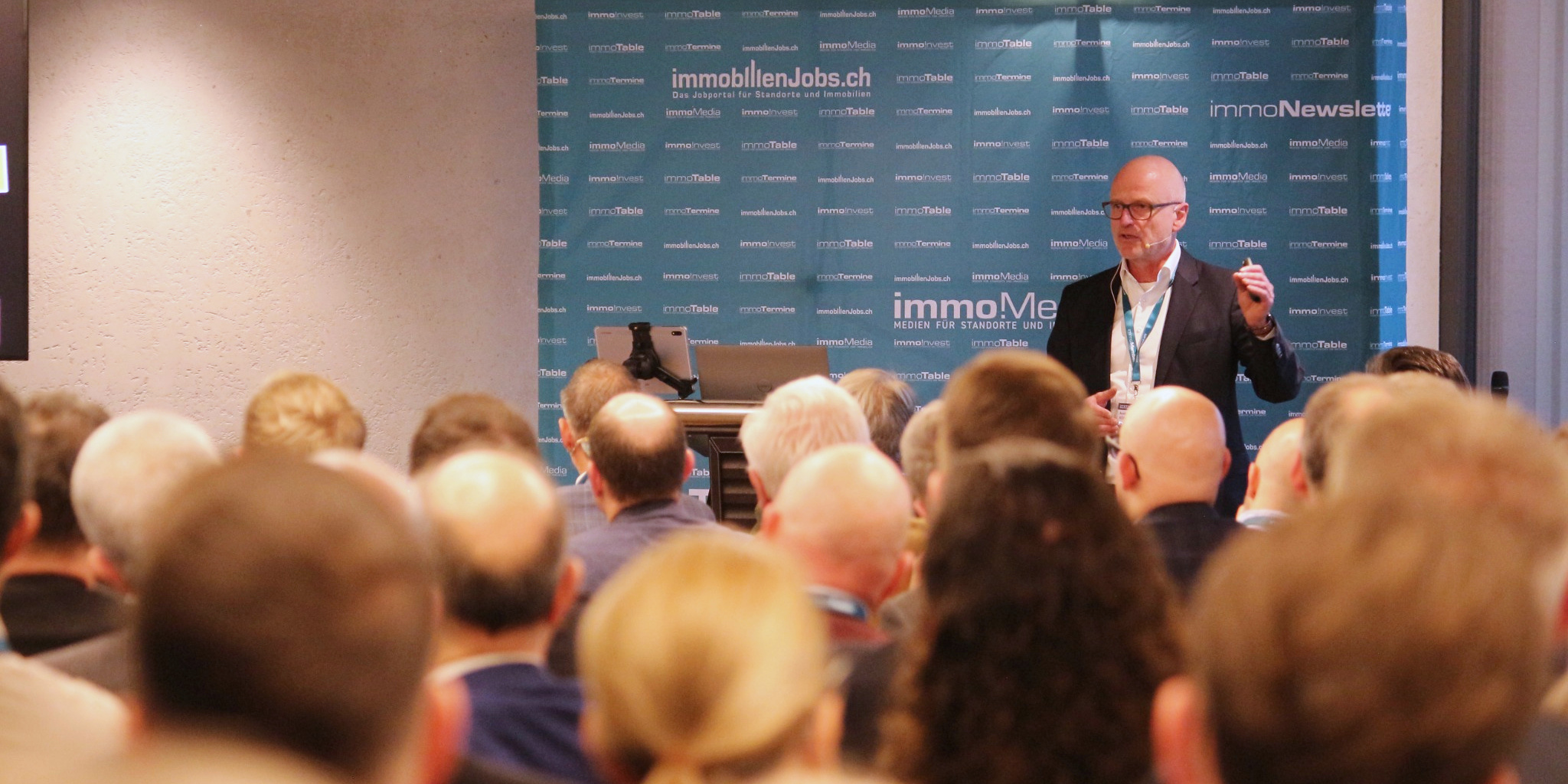
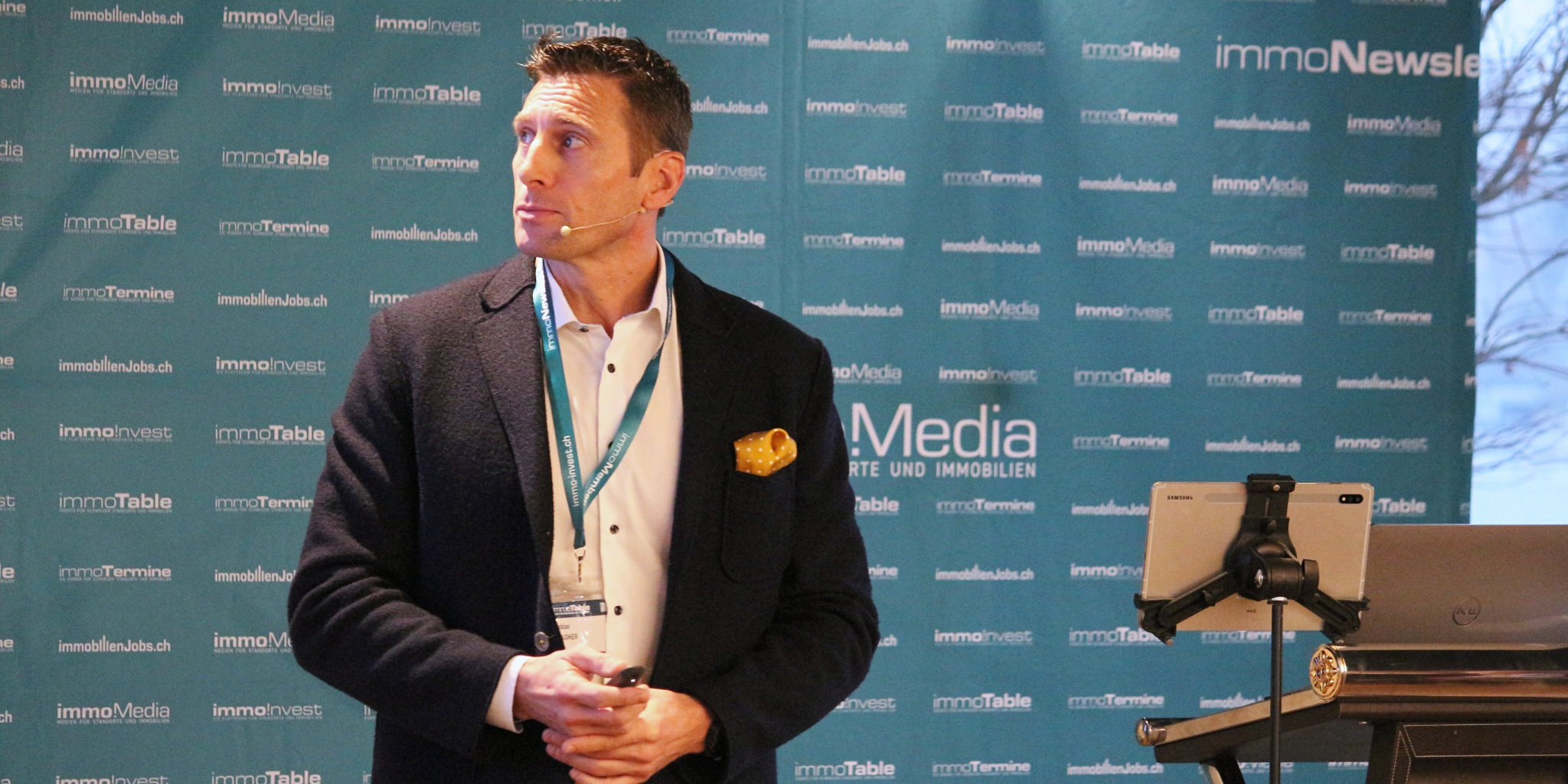
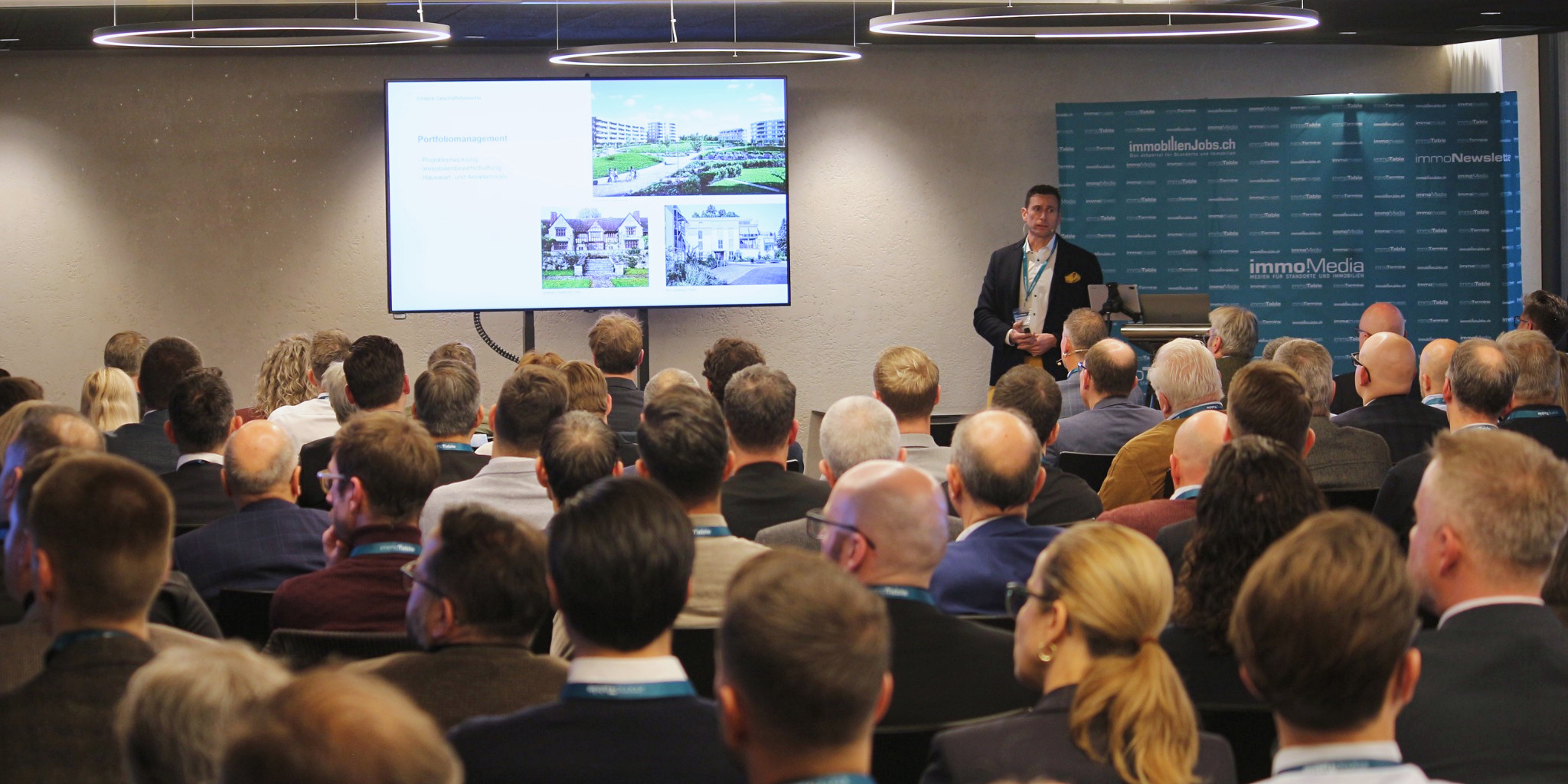
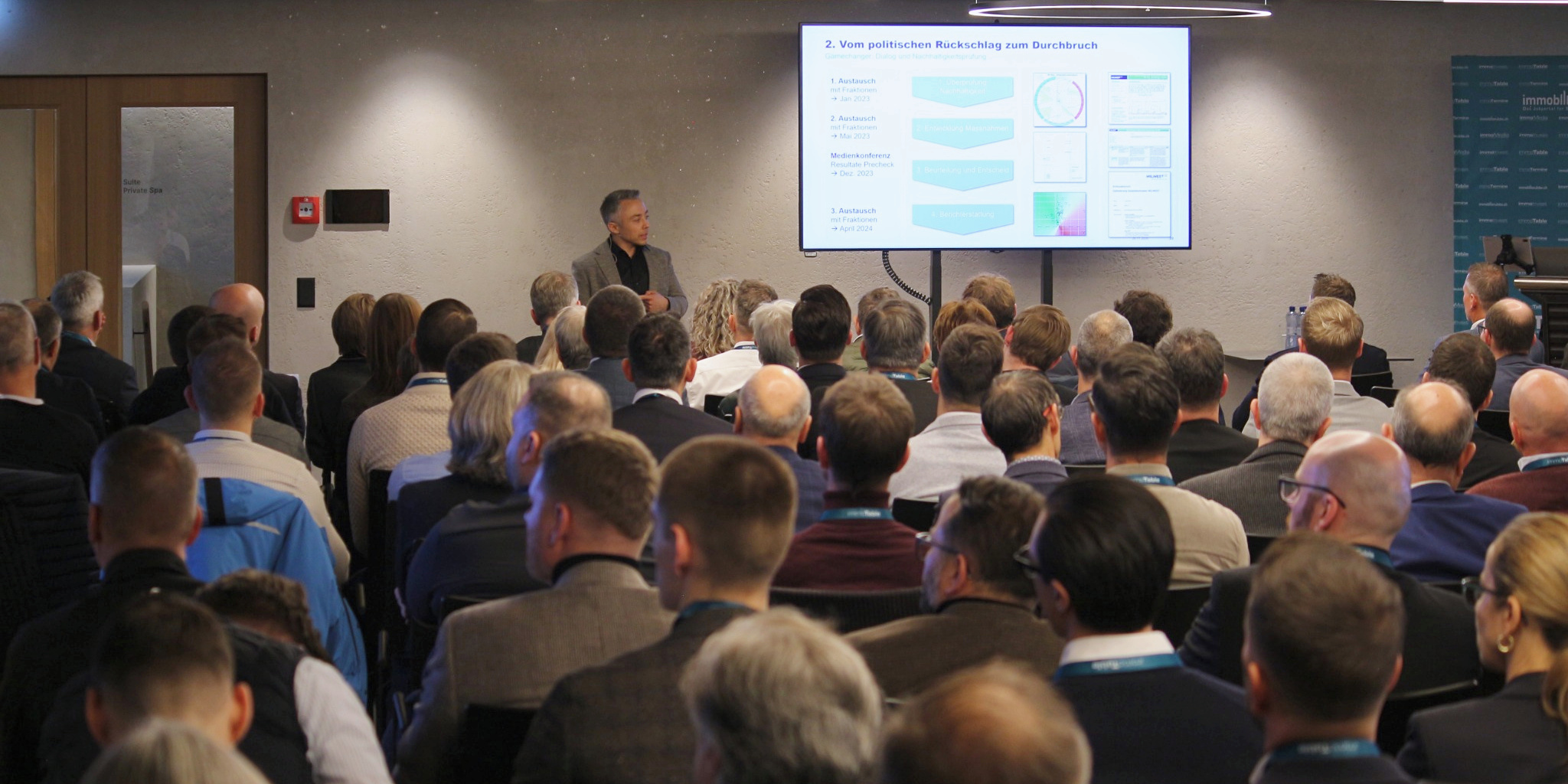
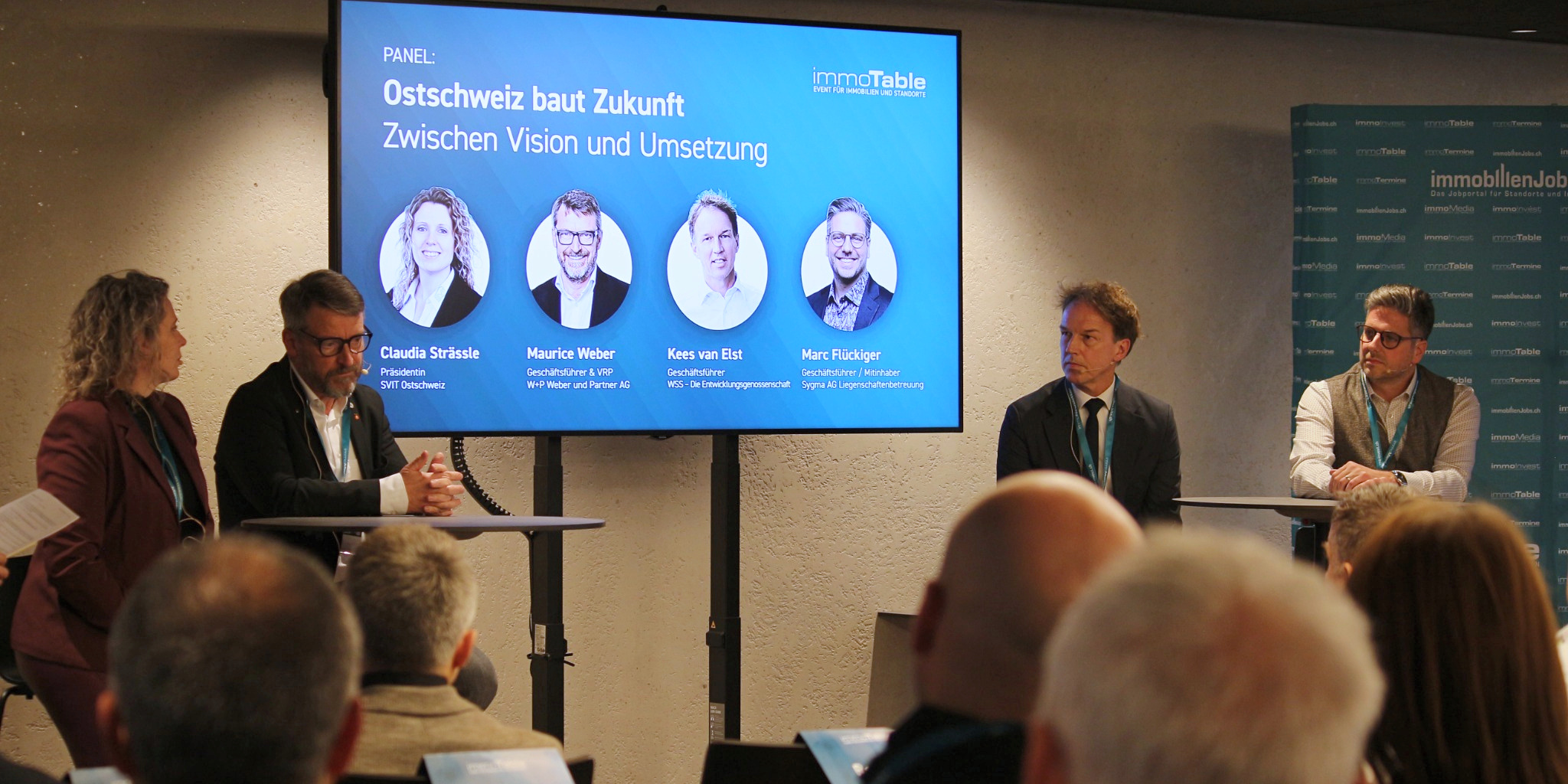
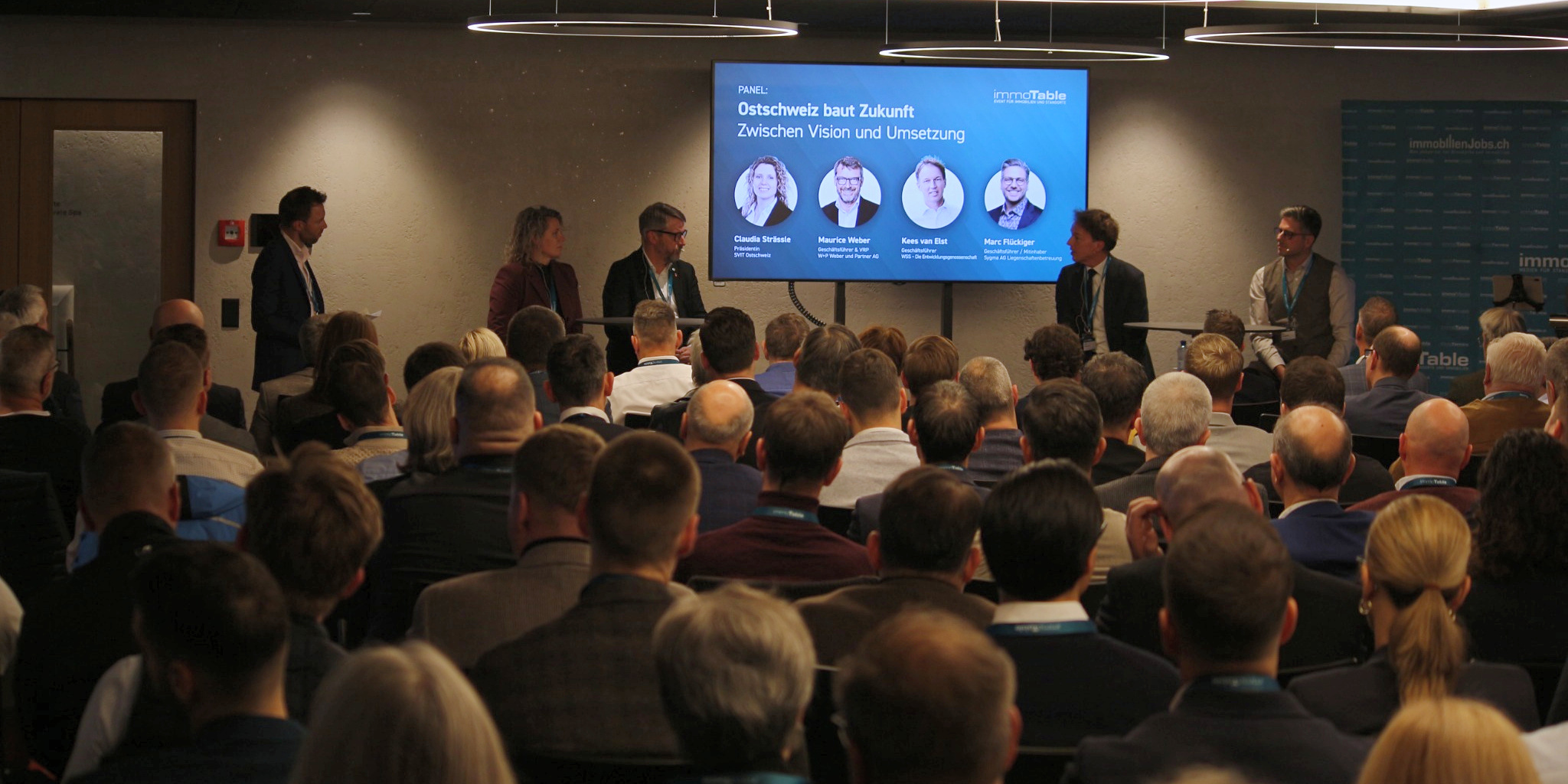
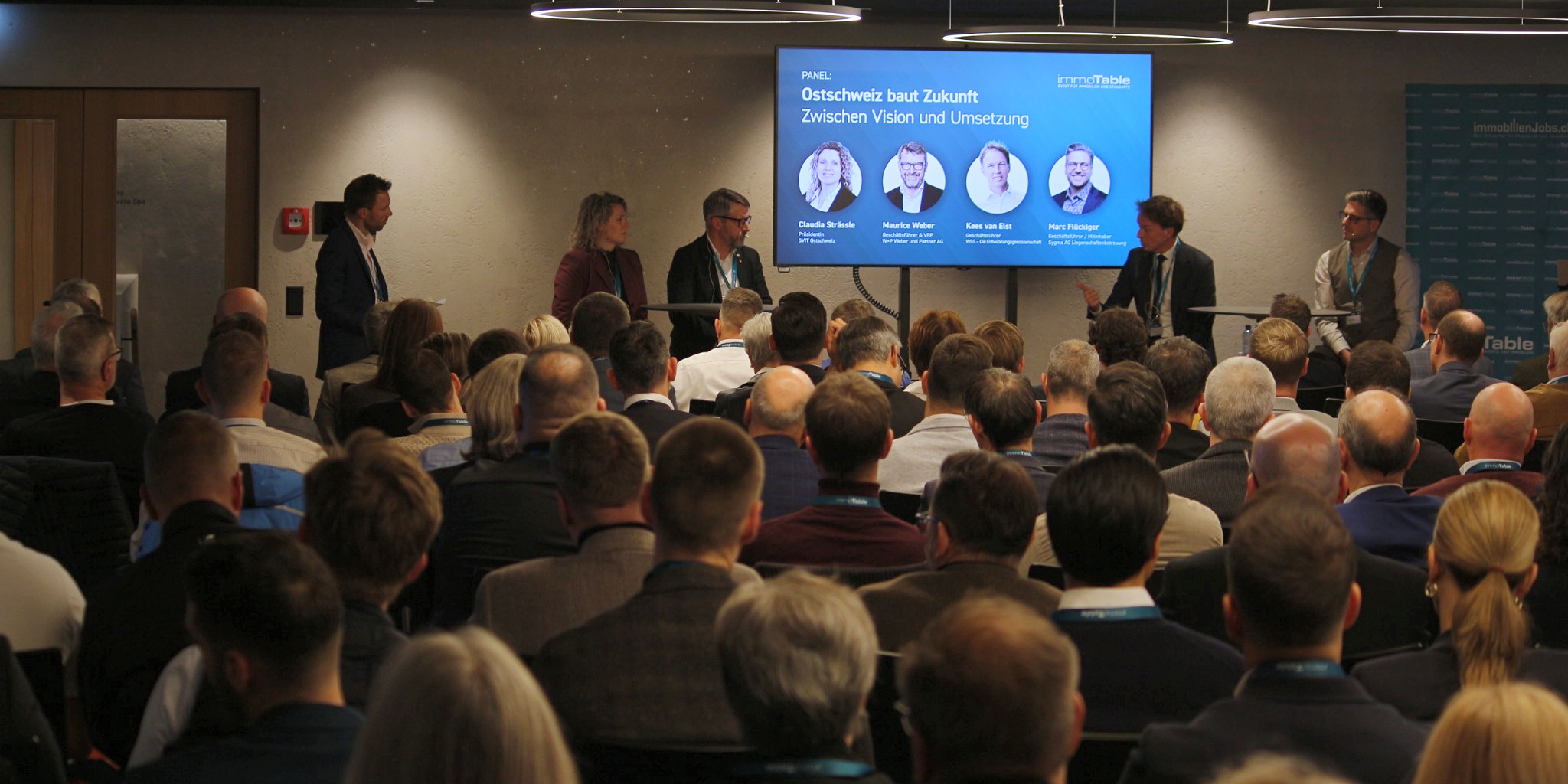
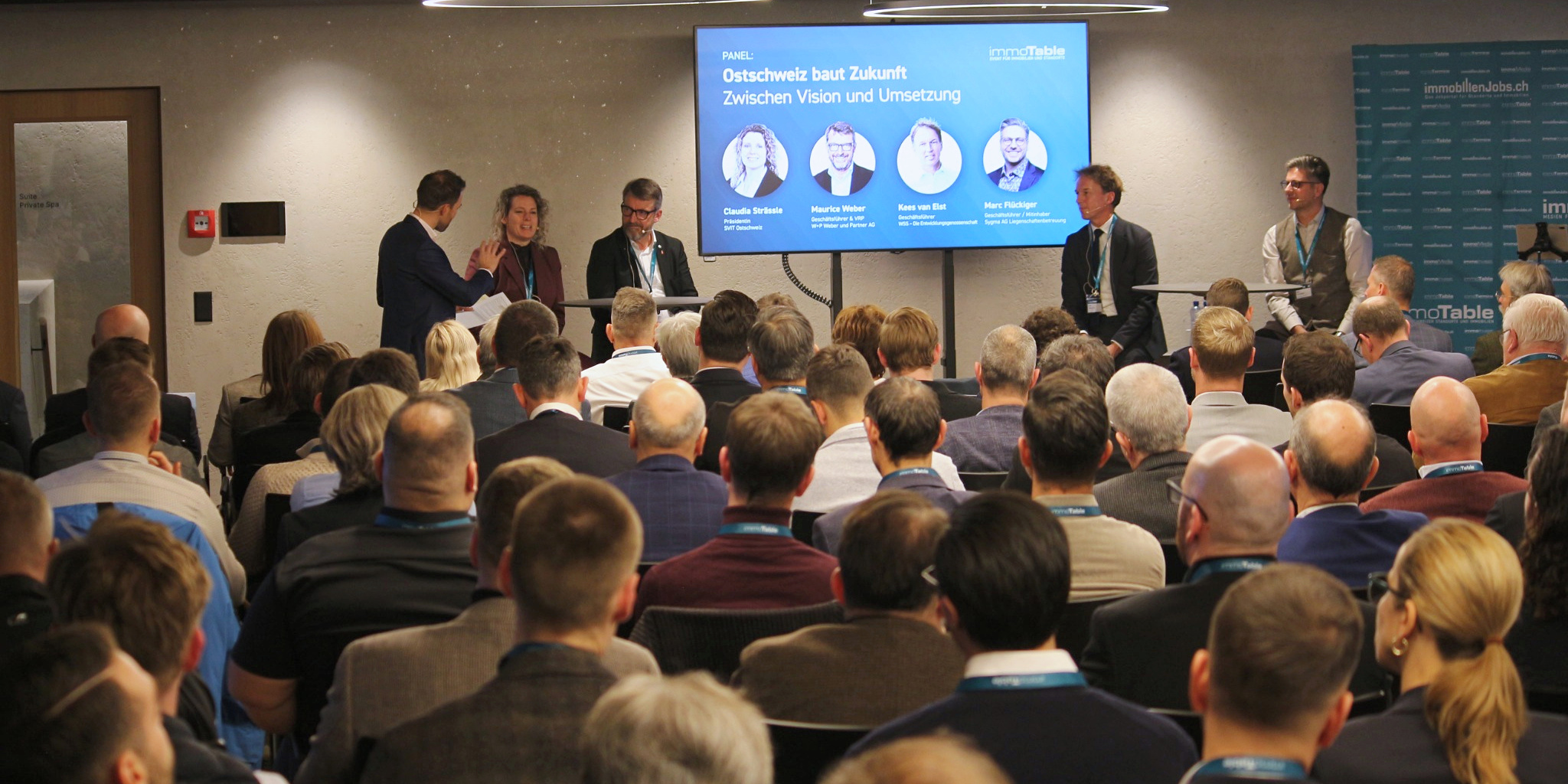
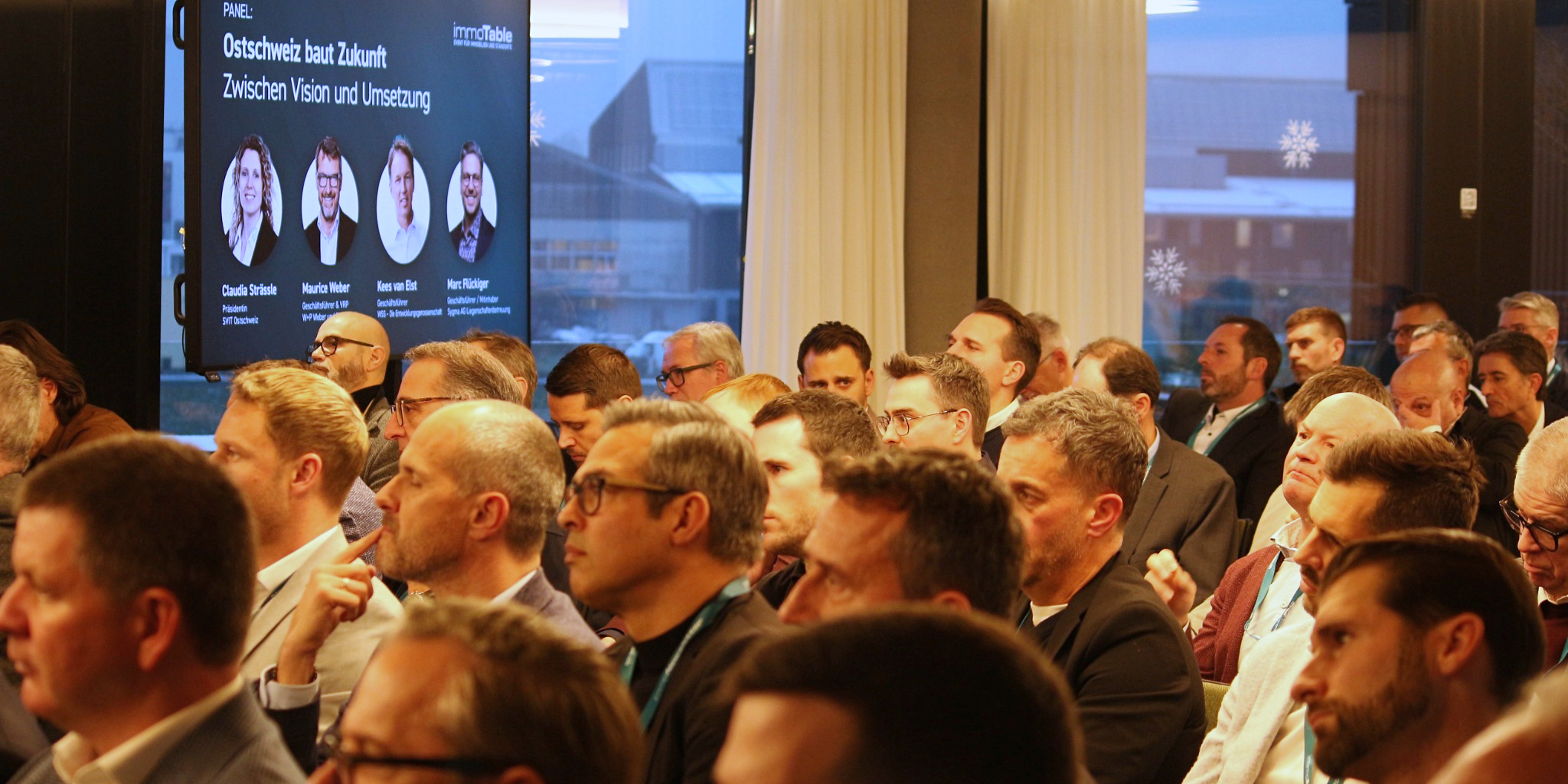
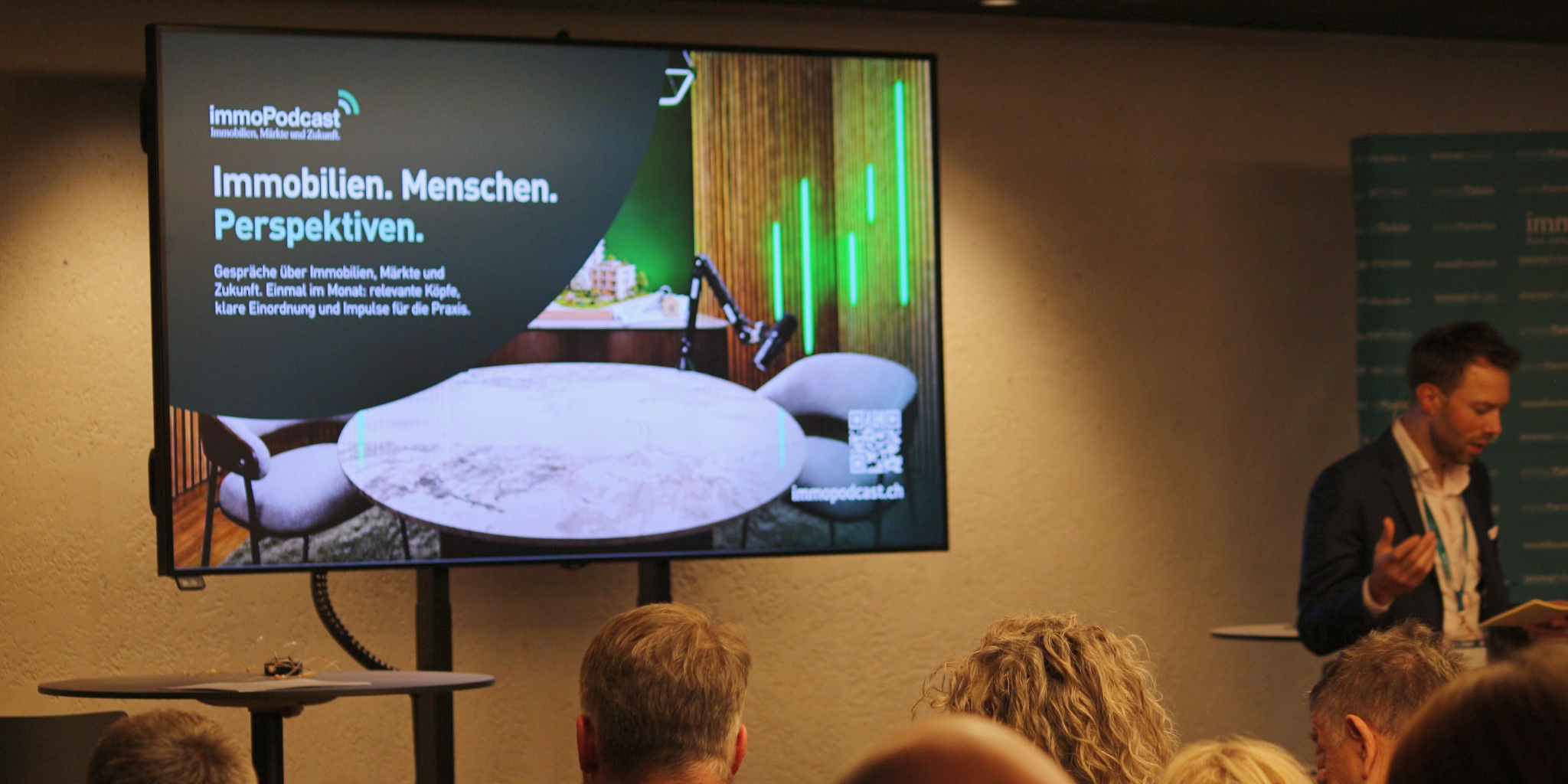
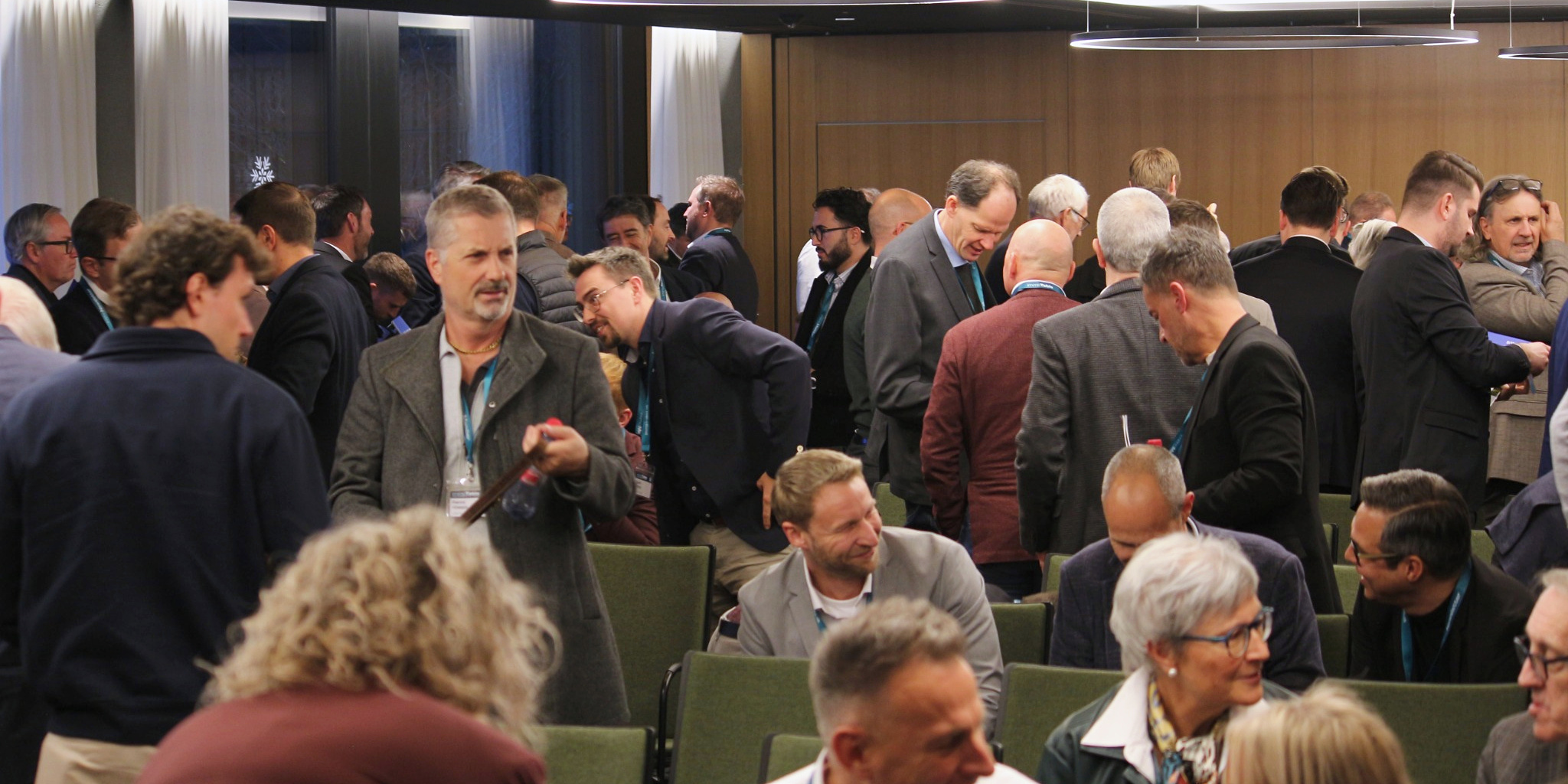
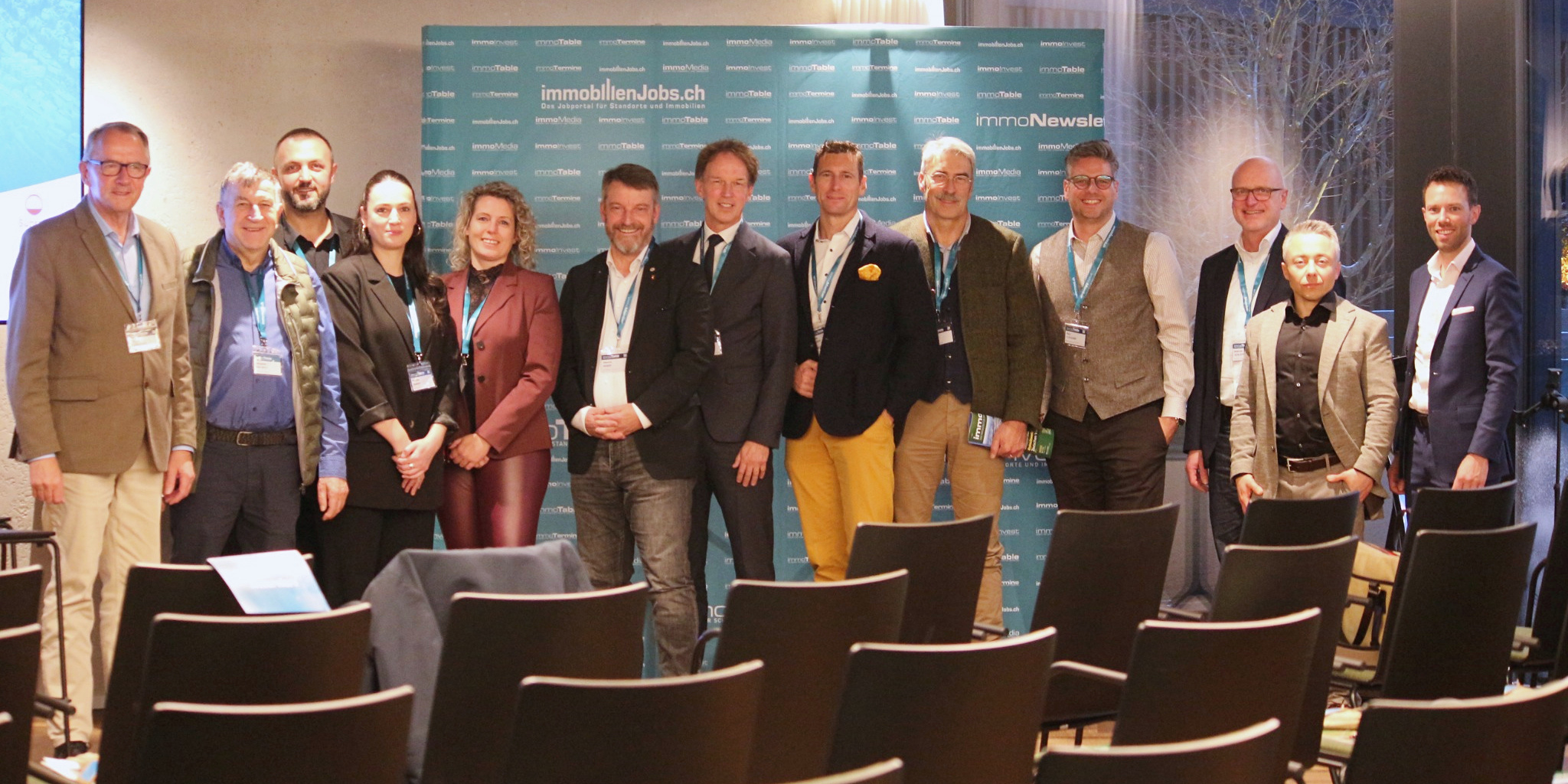

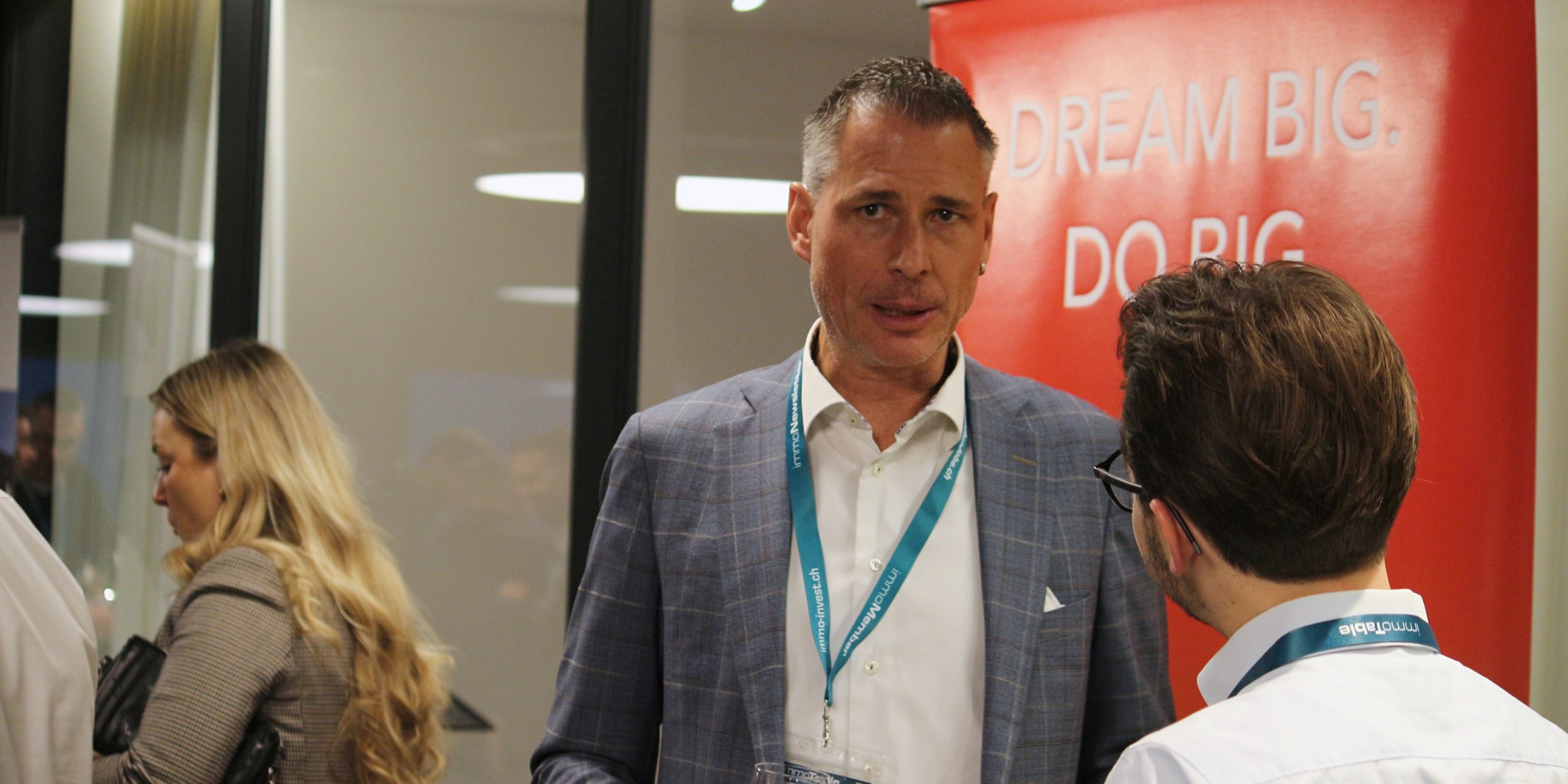
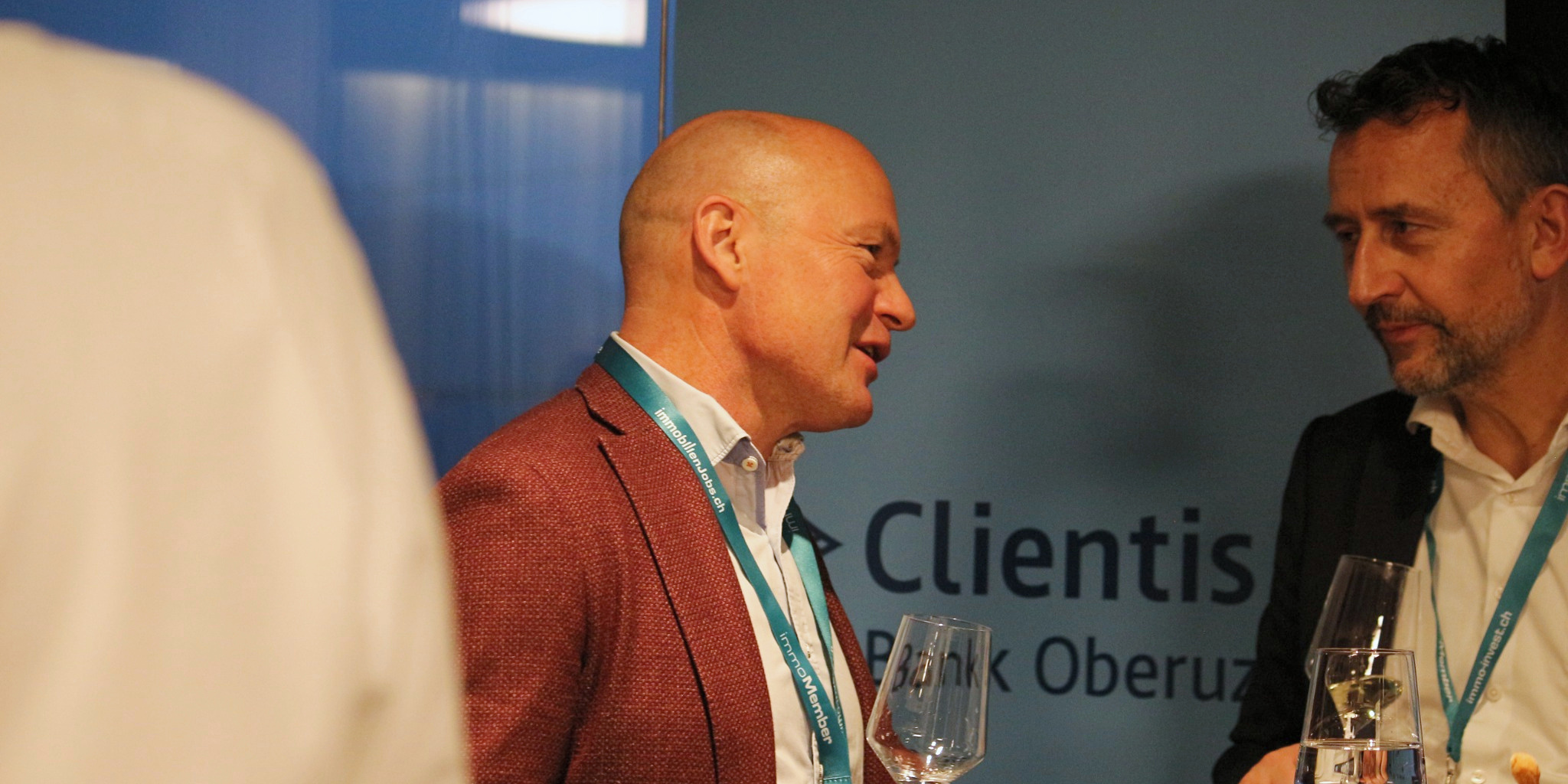
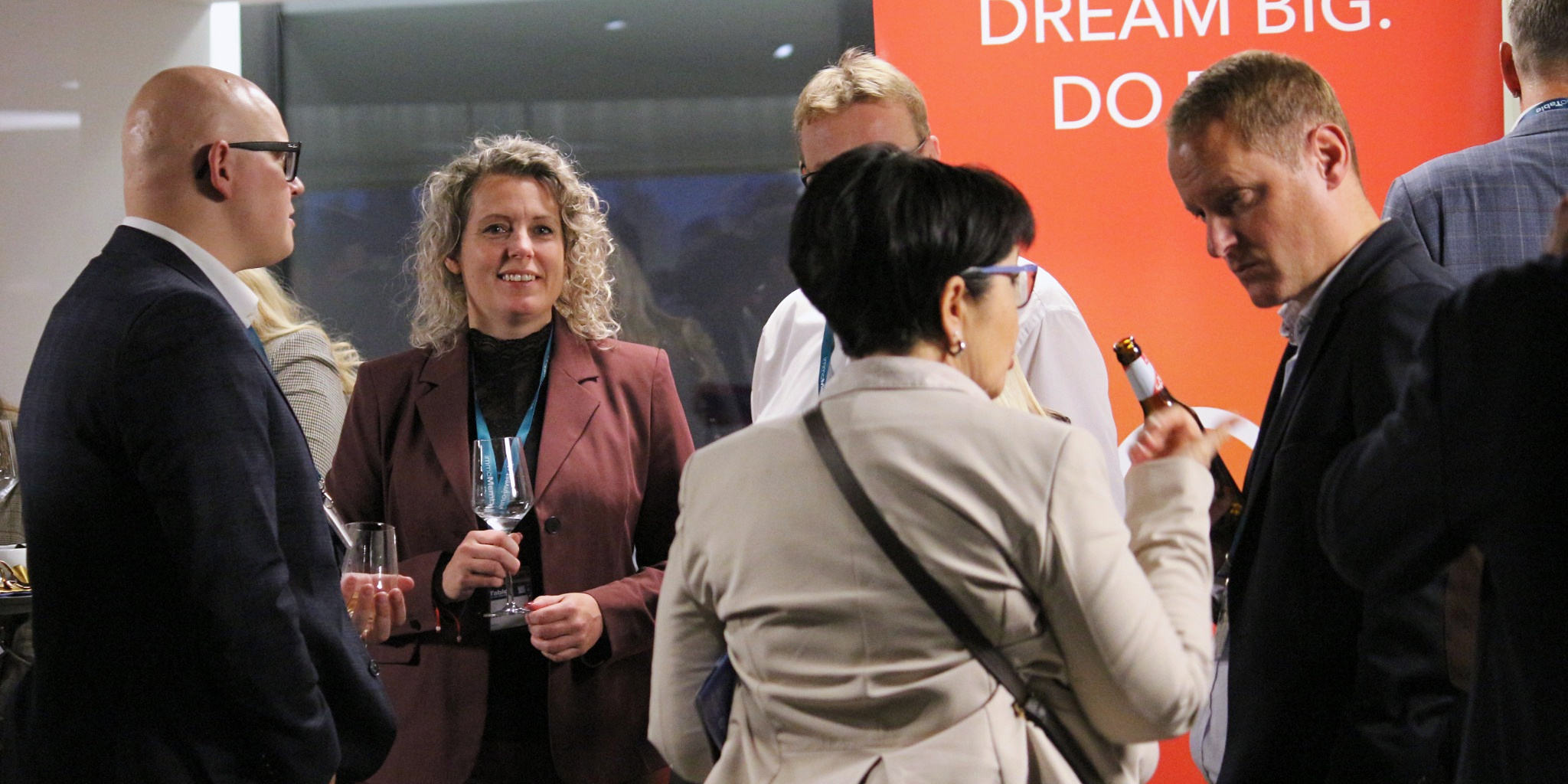


On November 26, 2026, the real estate and location industry gathered at the Hotel von Rotz in Bronschhofen. Moderator Mario Facchinetti led the program. City Councilman Manuel Nick described Wil as a “big small town, small big city” with significance extending far beyond the city limits.
Sitter Valley Focuses on Existing Stock
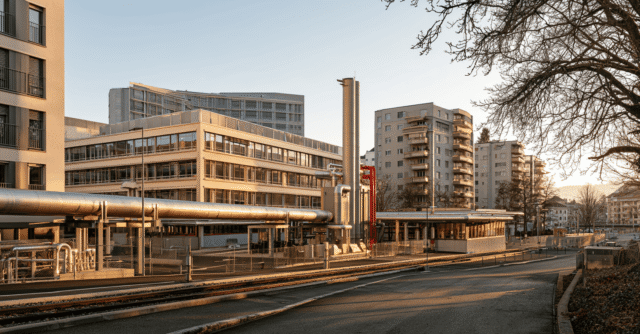
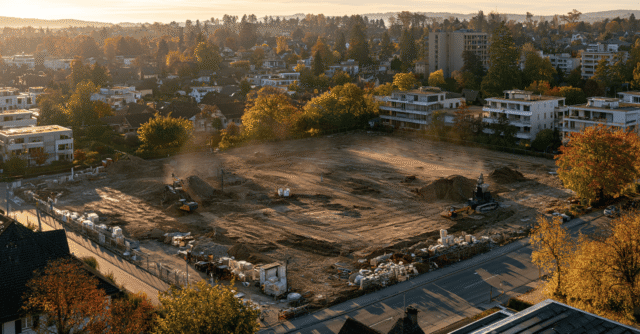
Christian Wick of Mettler Entwickler AG presented the redevelopment of the former Filtrox site in St. Gallen. Existing buildings are to provide affordable, flexible spaces for commerce and manufacturing, with long-term capacity for 400 to 600 jobs. However, a planned new commercial building was rejected for design reasons. Wick thus demonstrated how important timely and reliable decisions by public authorities are for businesses.
ASGO Links Growth and Transportation
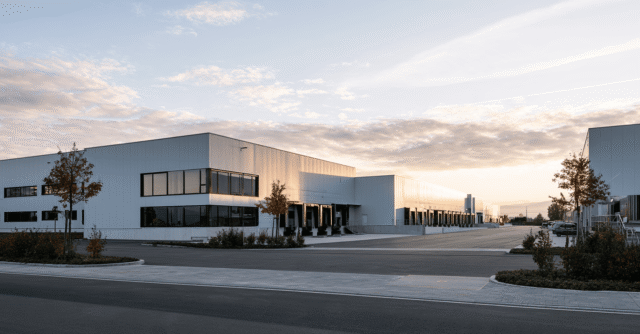
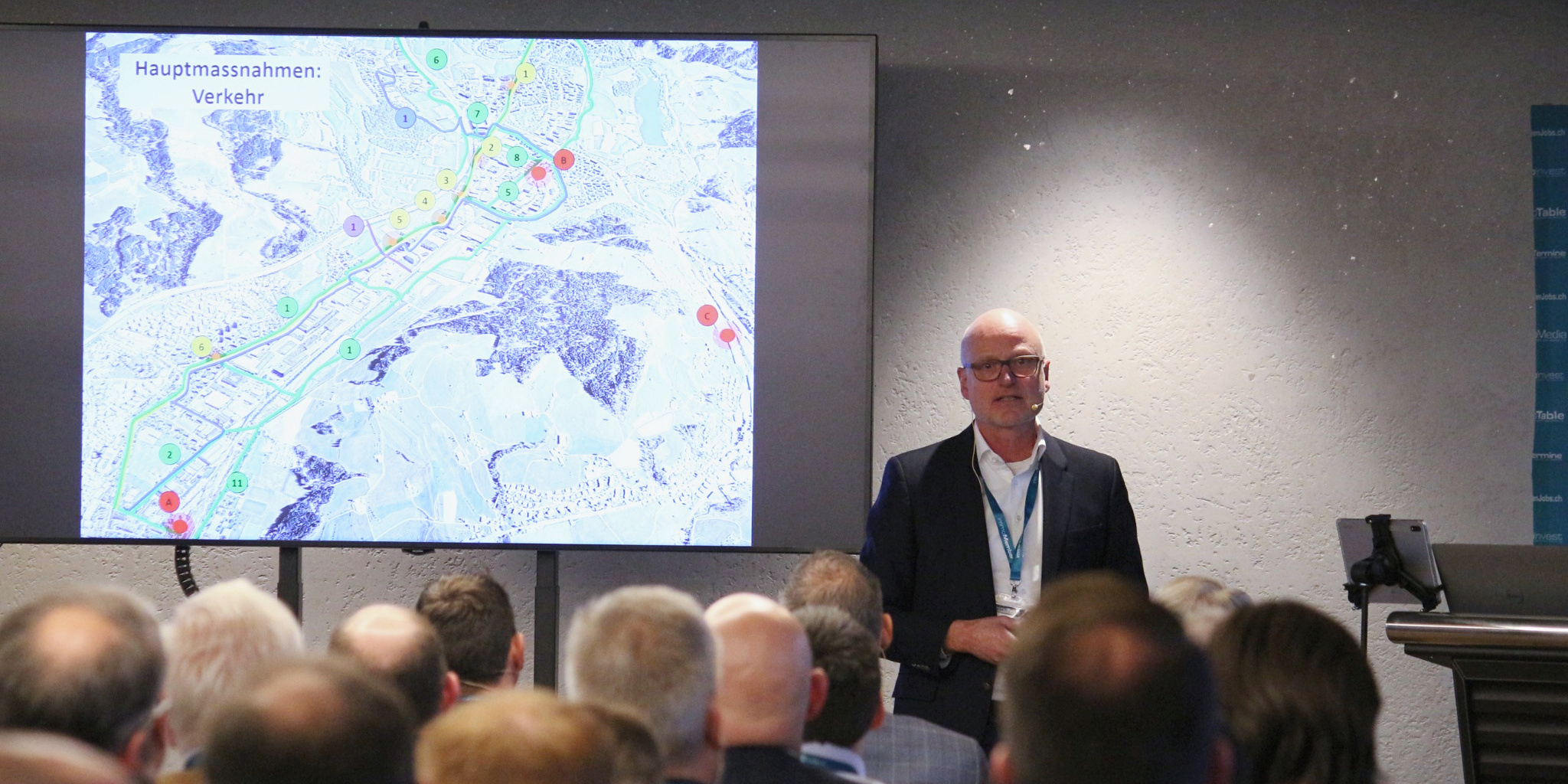
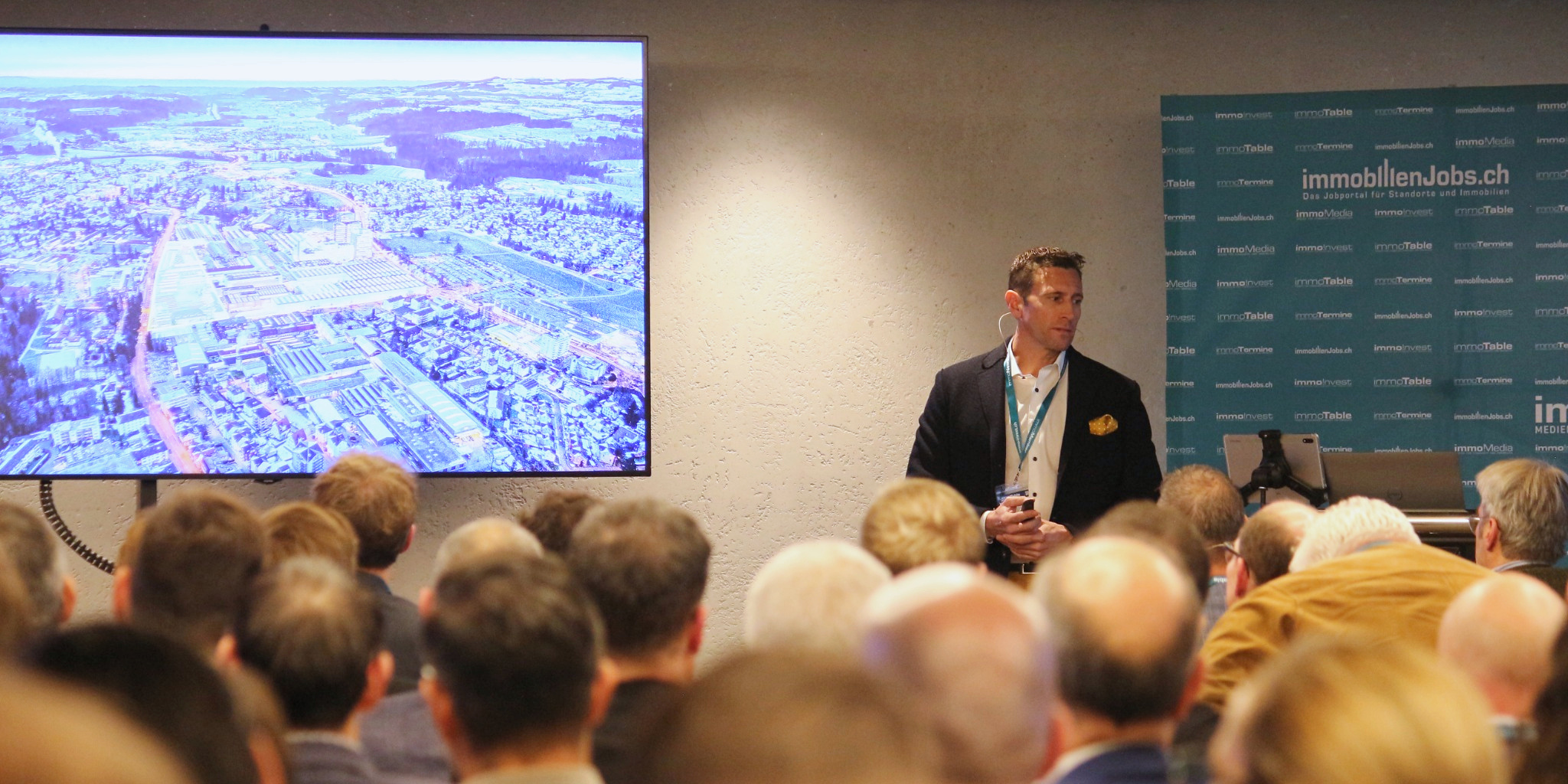
Andreas Schläpfer reported on the area stretching from St. Gallen West to Gossau East, which is home to approximately 800 companies, 15,500 jobs, and 6,000 residents. Large distribution centers make it an important logistics hub. However, the infrastructure is under heavy strain. 72 percent of employees commute by car, and the roads have little capacity to spare. Freight traffic, public transportation, and the electricity demand for electric trucks further increase the strain on the system.
Schläpfer explained why new jobs always place new demands on transportation networks and energy supply. For Vision 2050, municipalities, cantons, landowners, and businesses agreed on approximately 84 measures following intensive discussions. This process first required resolving long-standing conflicts. Area management, regular monitoring, and a digital twin are intended to support implementation.
However, limited funds, lengthy procedures, and shifting political priorities are slowing down the work. Schläpfer urged everyone to stick to the joint decisions. Those who fail to take action today will face the same bottlenecks twenty years from now.
Mahlwerk Opens Up to the Neighborhood
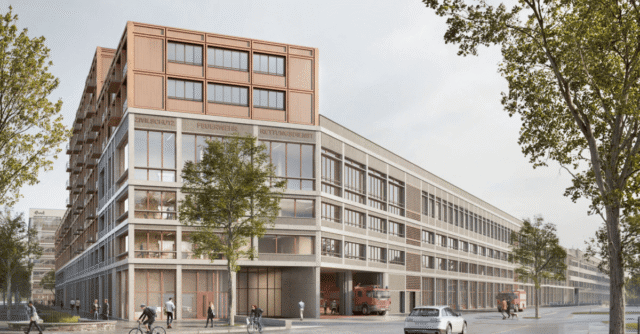
Tobias Wagner of Uze AG presented the phased renovation of the historic Mahlwerk in Uzwil. The previously closed-off industrial site will feature spaces for production, education, social interaction, and events. The existing buildings will be reused as much as possible and supplemented with new offerings.
Simon May from the IFJ explained the Startup Space, which, starting in spring 2027, is intended to support startups and SMEs with workspaces, consulting, and networking. This will not only create new spaces but also foster new connections and opportunities for the community.
WILWEST Finds a New Path After a Setback
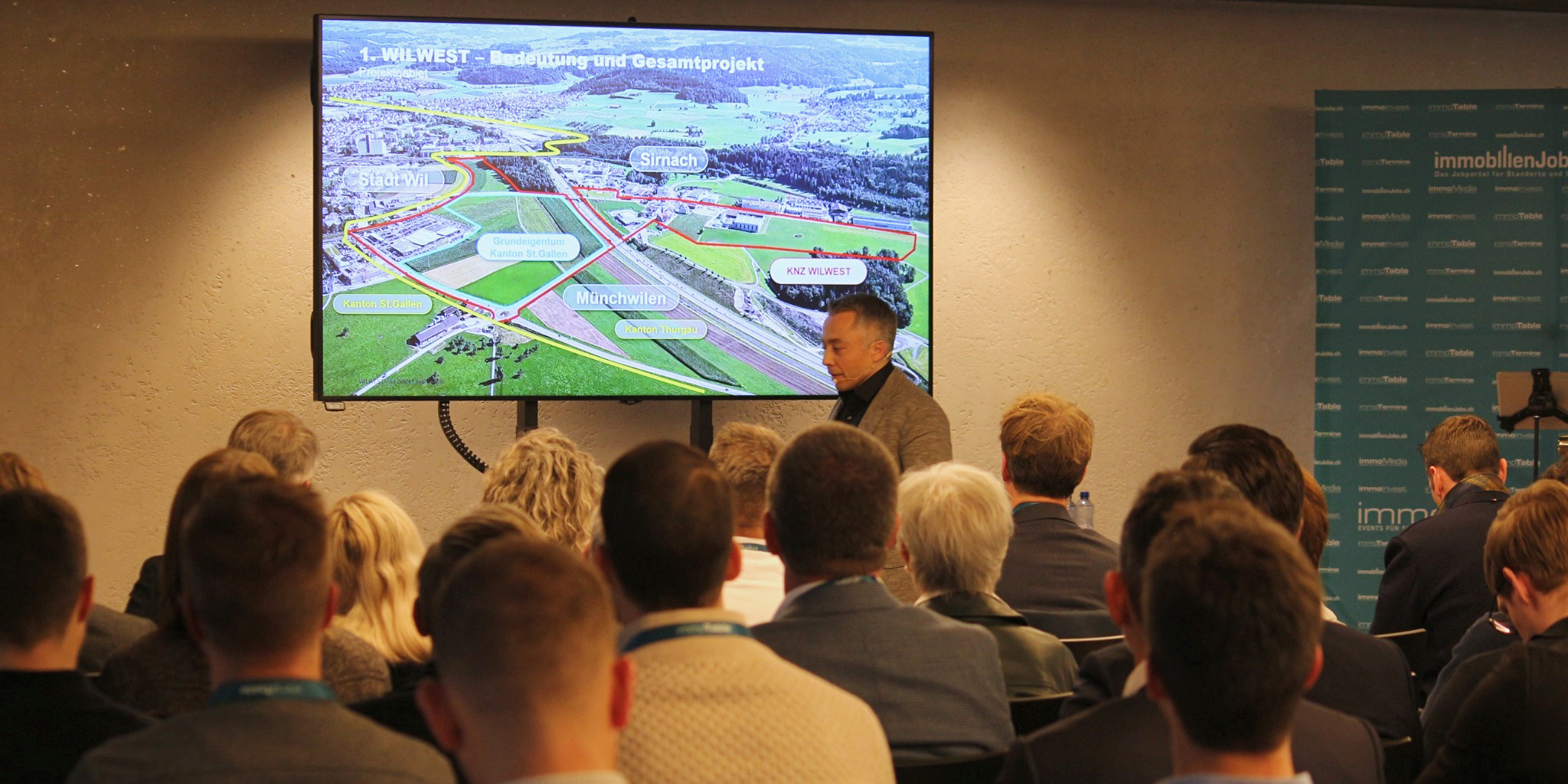
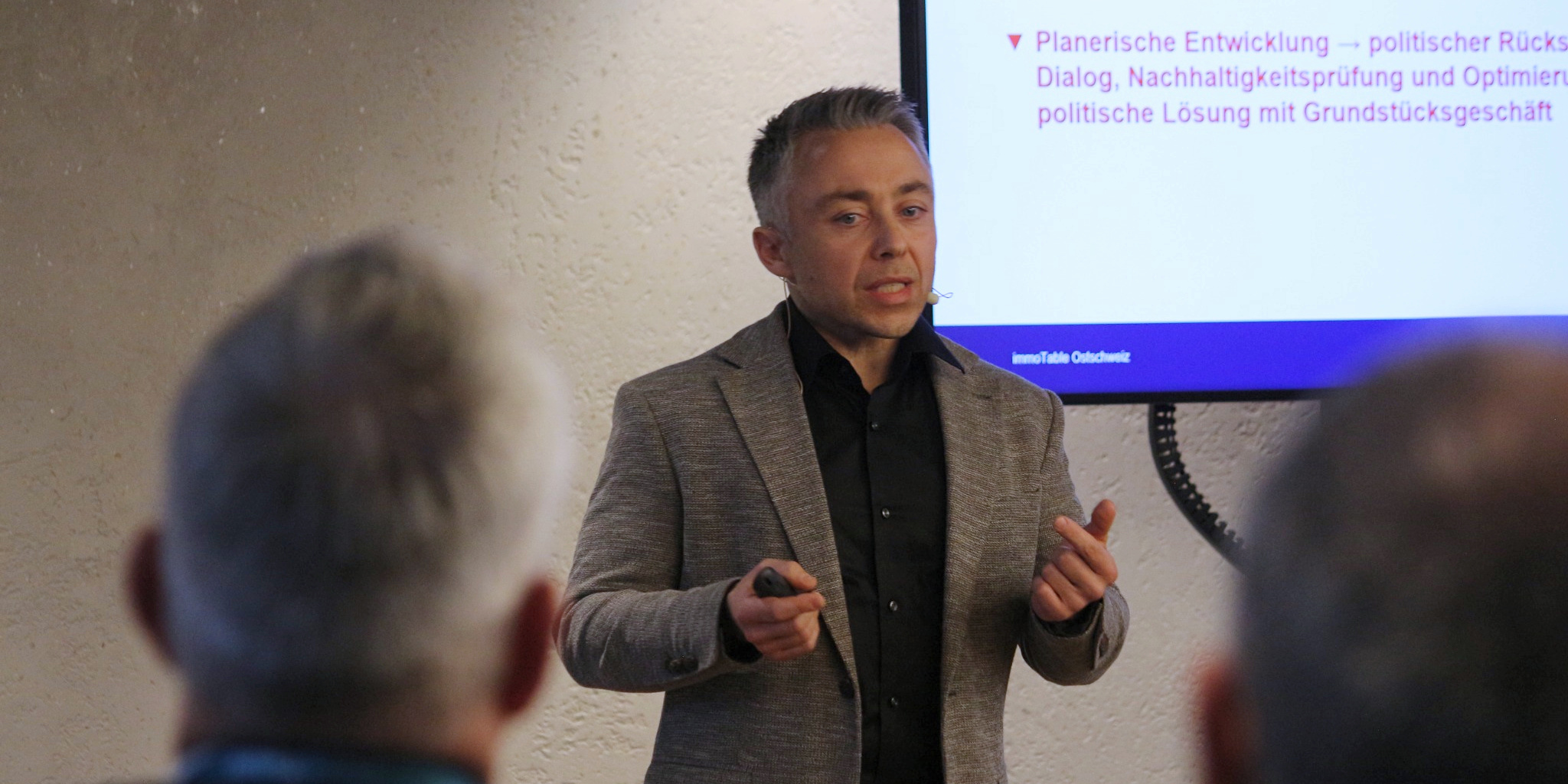
Raffaele Landi from the Canton of Thurgau brought WILWEST into the spotlight. The project aims to consolidate commercial areas and alleviate traffic congestion in the Wil region. Plans include a highway connection and improvements to rail, road, and bicycle infrastructure. The fact that 22 municipalities are foregoing their own new zoning for business development in favor of WILWEST demonstrates a commitment to regional cooperation.
In September 2022, voters in St. Gallen rejected a special loan of 35 million Swiss francs. At that time, St. Gallen was to act as both developer and investor. Land use and sustainability were particularly criticized. Landi described how dialogue with political factions and a sustainability assessment helped move the stalled project forward again.
WILWEST was reviewed according to the Swiss Sustainable Building Standard and improved in the areas of land use, mobility, and site operations. At the same time, a land transaction between St. Gallen and Thurgau led to a new division of roles. In 2026, the St. Gallen electorate approved the revised solution. The criticism was thus not simply dismissed but incorporated into a revised plan.
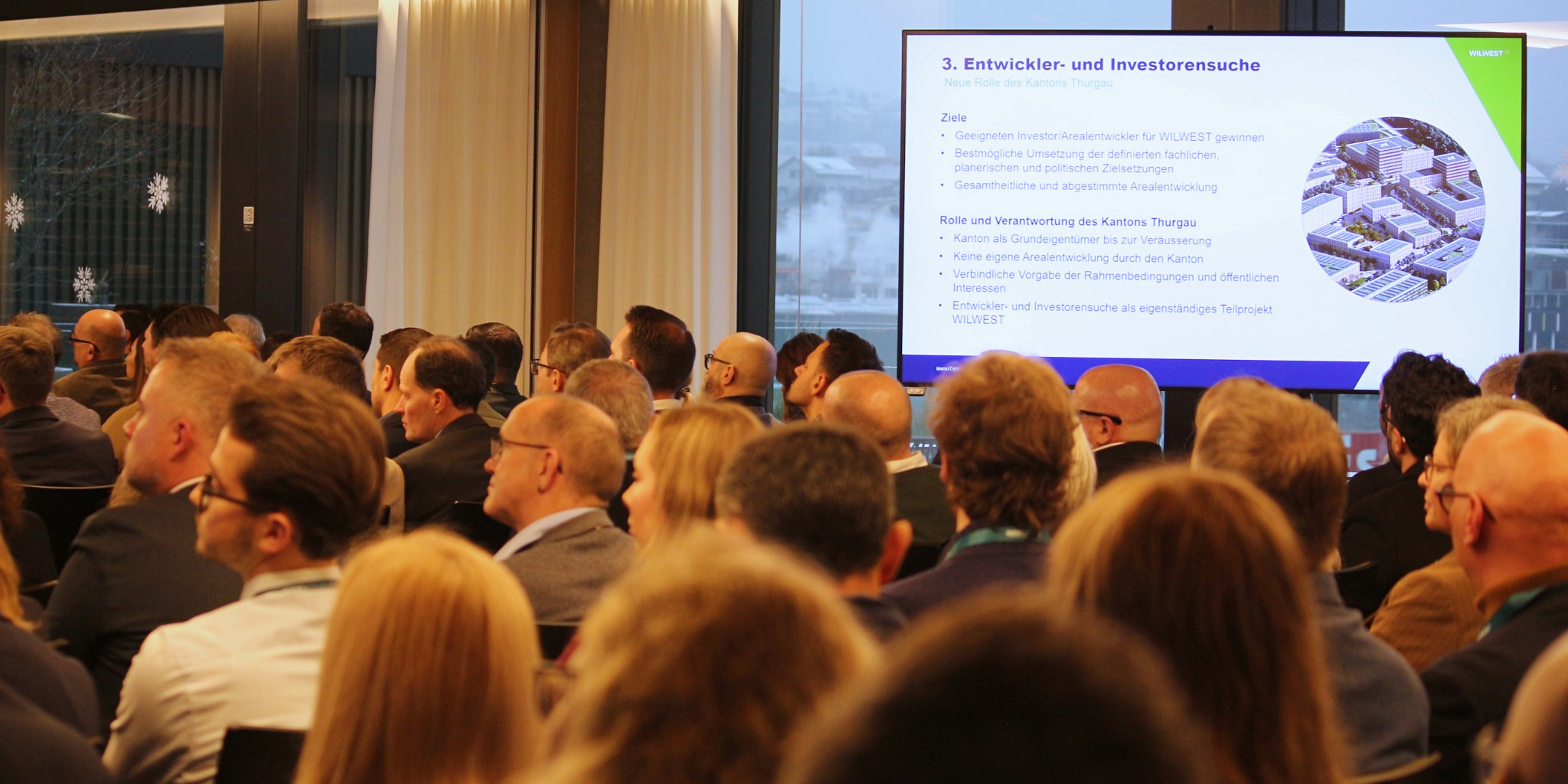
Thurgau is to take over the development sites but leave the development itself to private partners. A transparent, two-stage selection process is designed to consider not merely the highest purchase price but the best overall proposal. Between 2,000 and 3,000 jobs are planned. Münchwilen is intended to attract innovative businesses in particular, while Sirnach will focus on local and regional commerce. No residential units are planned.
The search for investors and developers is set to begin in 2028. The canton expects construction of the overarching infrastructure to begin in 2031, with completion in the mid-2030s. So there is still a long way to go before the project is realized. Yet WILWEST is already demonstrating that a political fresh start is possible even after a referendum defeat.
The panel calls for more decision-making power
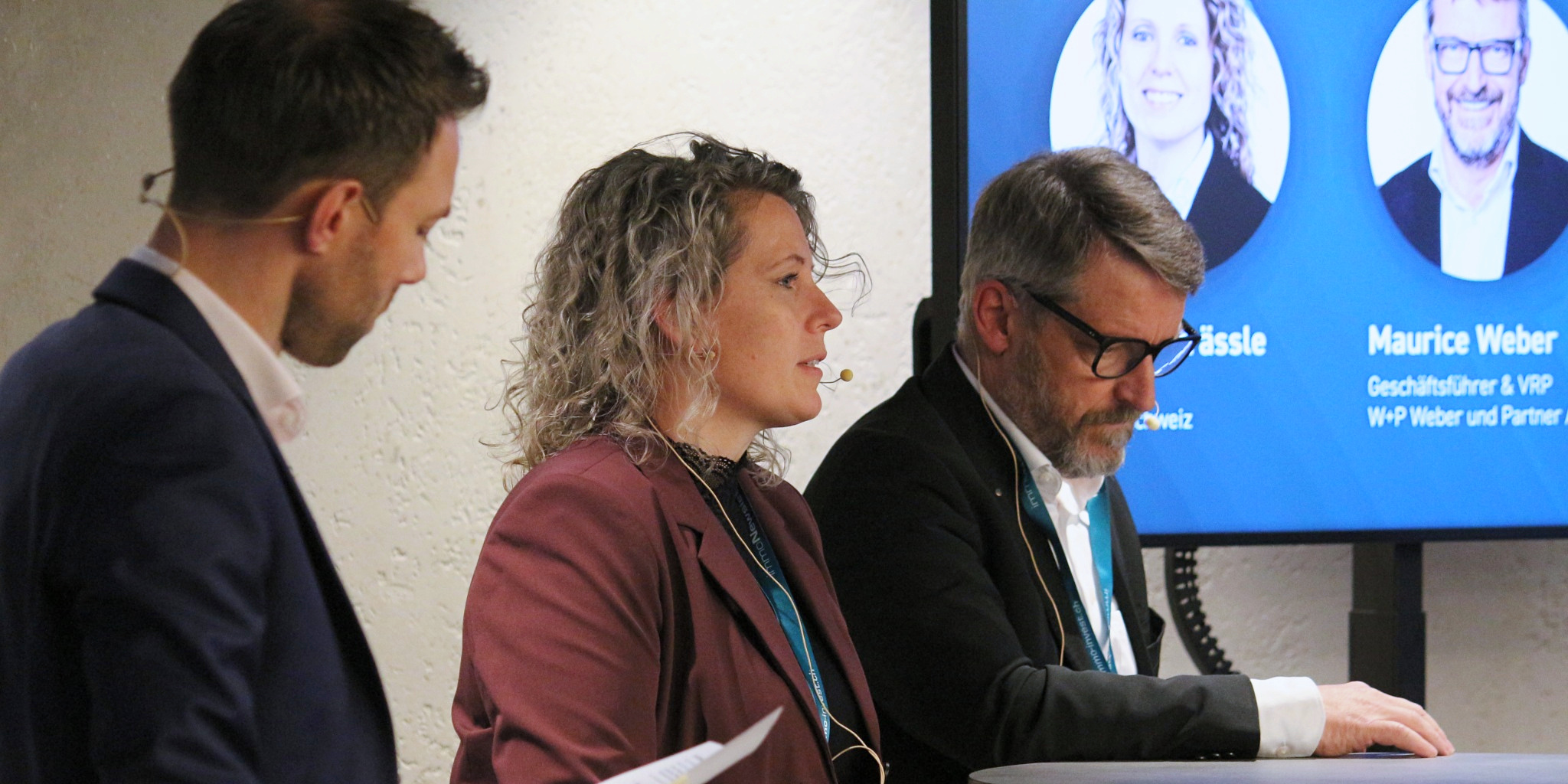
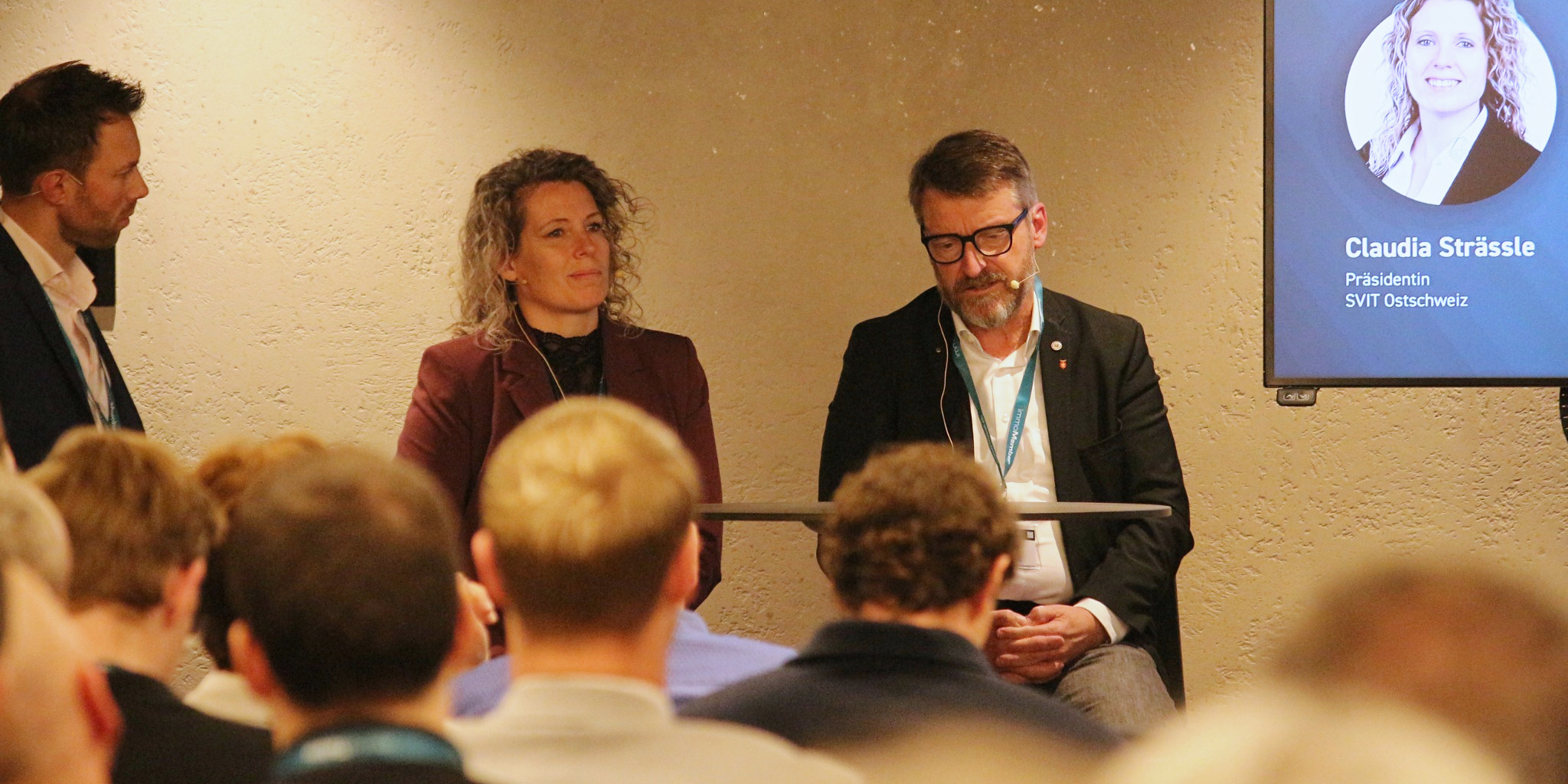
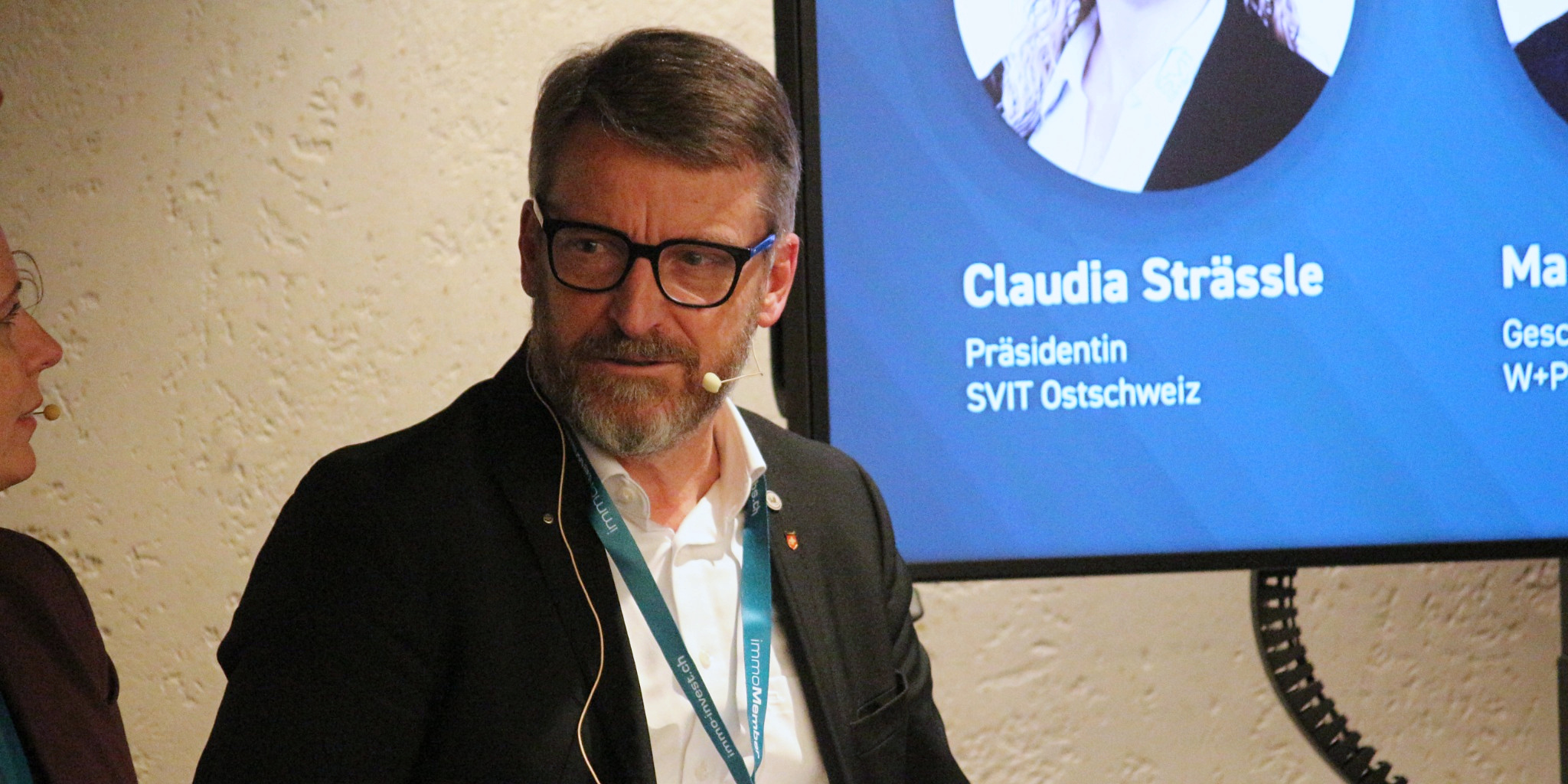
Claudia Strässle of SVIT Ostschweiz cautioned against making sweeping generalizations about real estate markets. Eastern Switzerland is “incredibly diverse,” she said. Demand and acceptance of densification vary greatly. Investors and authorities need to speak with future users earlier in the process.
Maurice Weber of W P pointed out the challenges facing automotive suppliers, while the food industry and logistics sector are investing. These companies need “speed in permitting and speed in implementation.” Weber called for government officials who can take responsibility and make decisions.
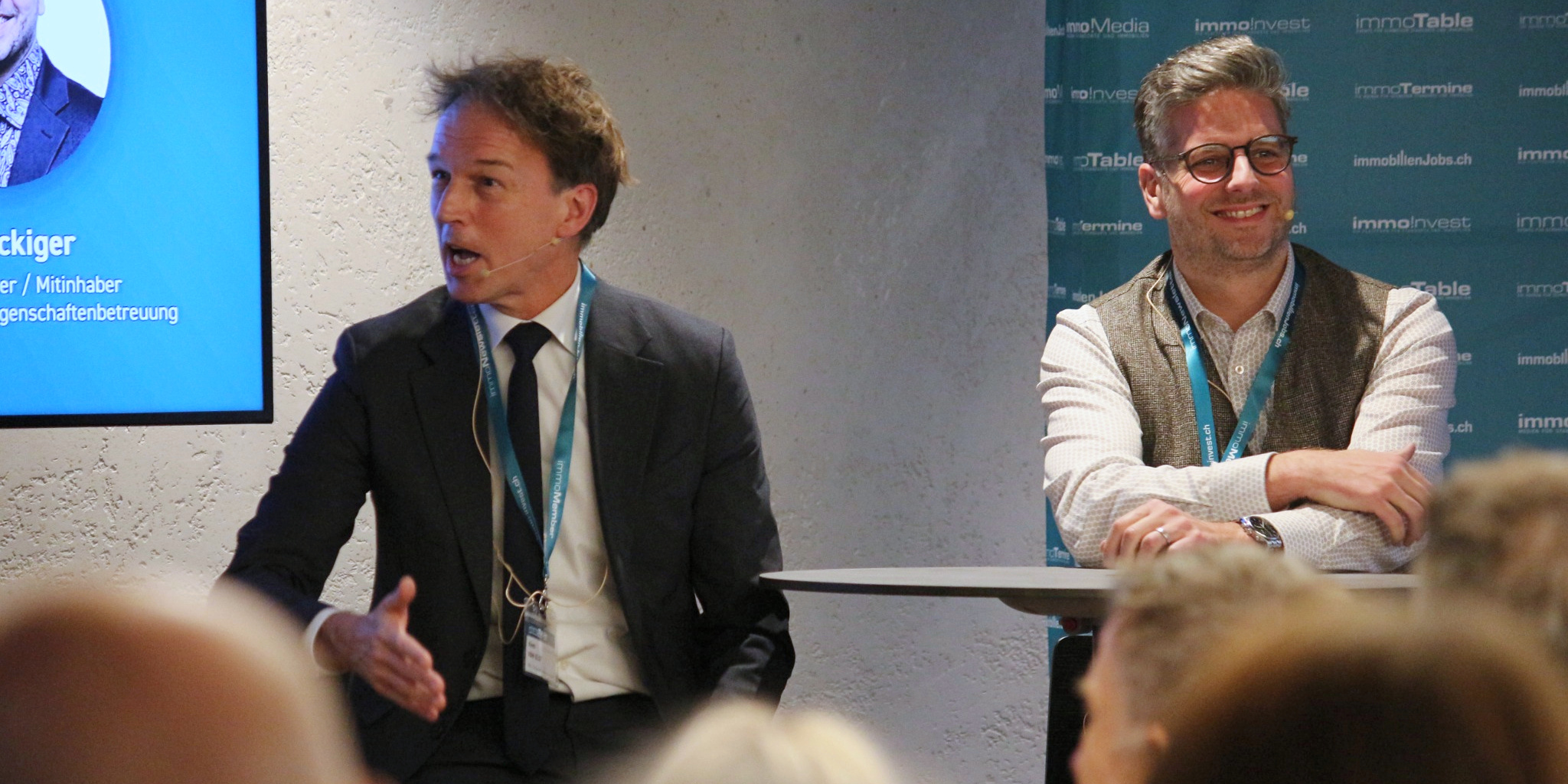
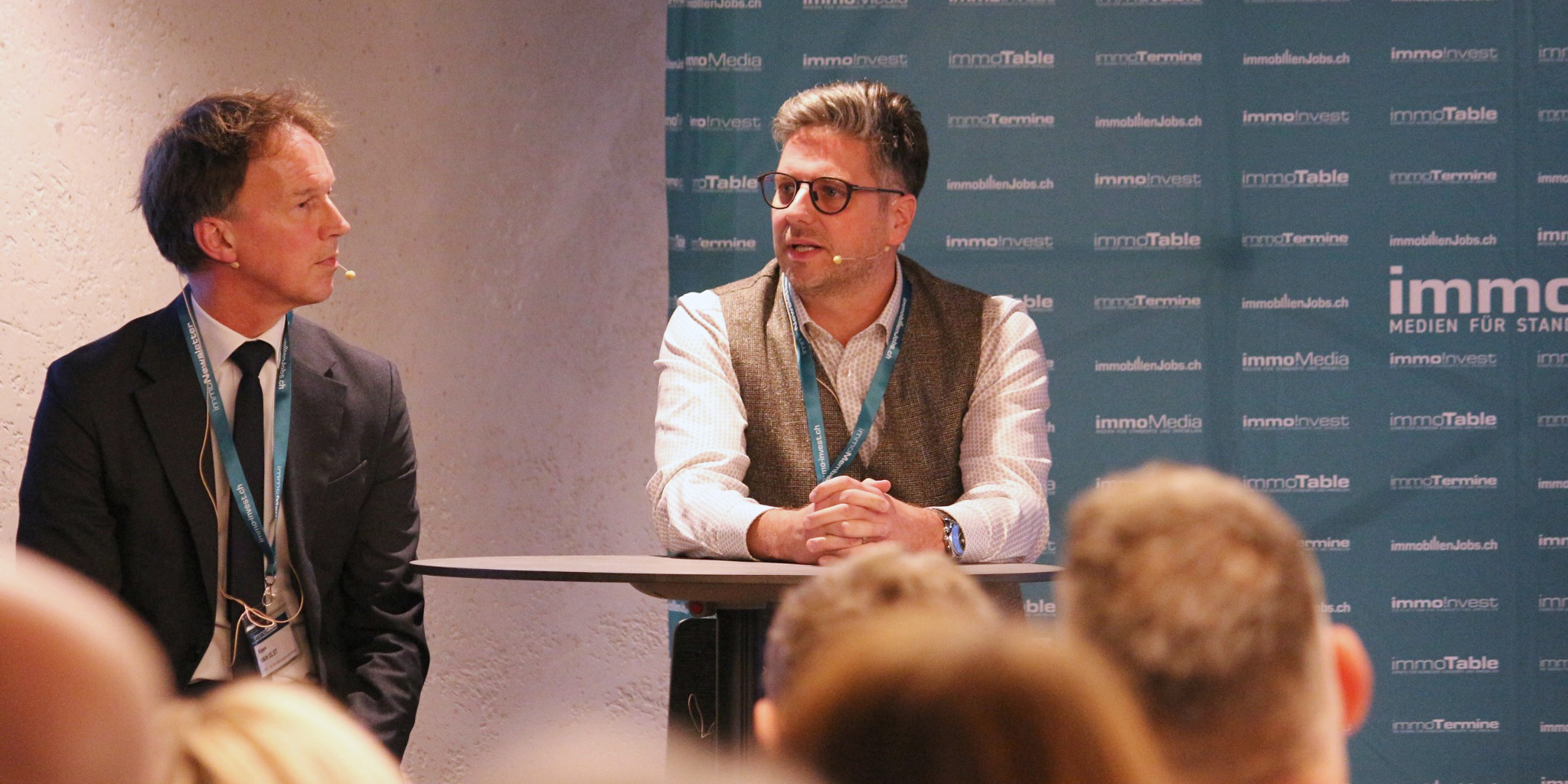
Kees van Elst of WSS warned against Wil becoming merely a commuter town for Zurich. “We don’t have to become a bedroom community,” he said. The region needs a clearer economic profile and streamlined bidding processes that also leave room for nonprofit developers.
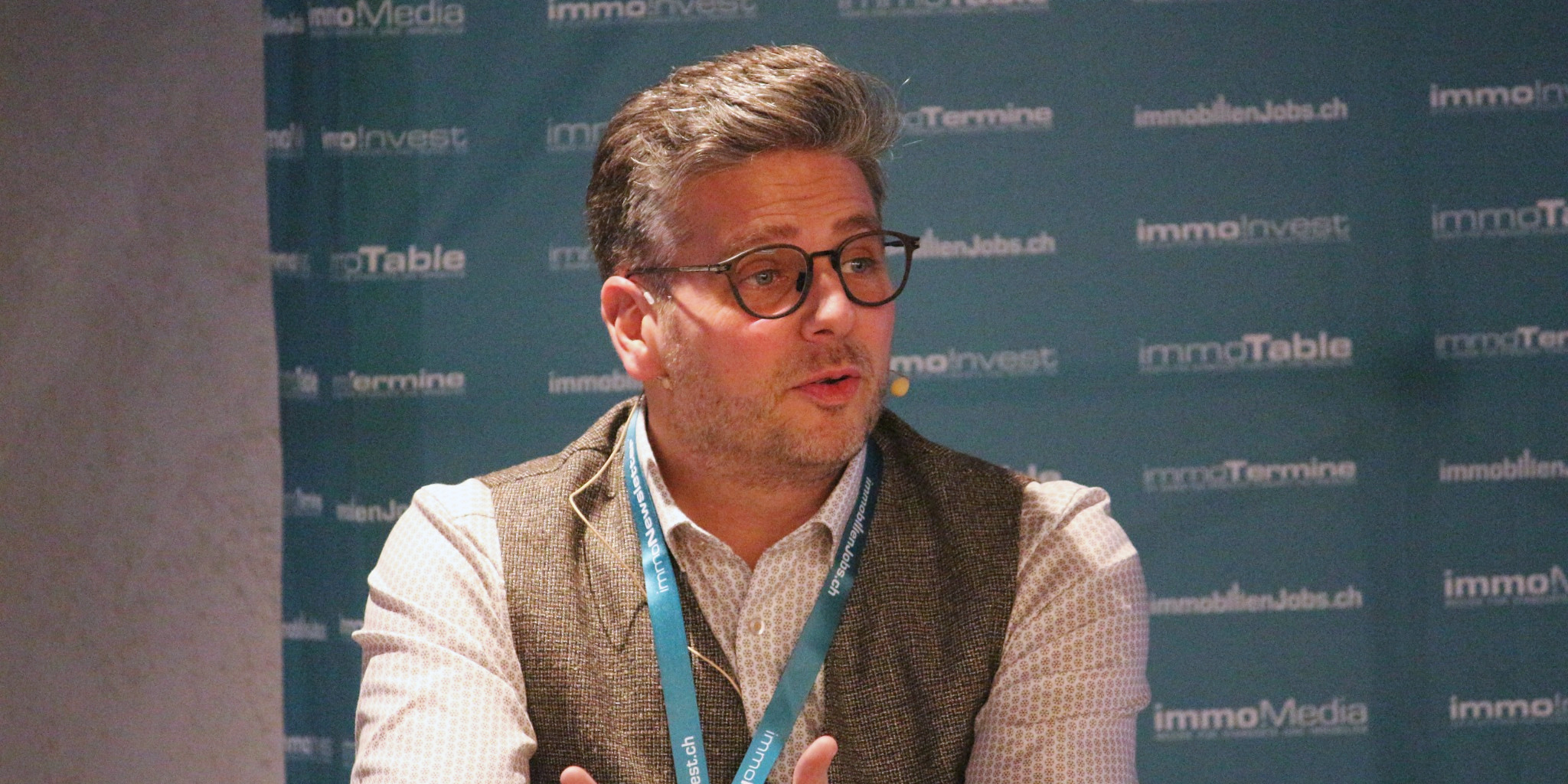
Marc Flückiger of Sygma and WirtschaftsPortalOst criticized the slowness of political processes. “We simply need more people with hands-on experience,” he insisted. At the same time, he viewed the collaboration between the cantons and municipalities in the WILWEST initiative as a model.
More Courage and Clear Accountability
The 111th immoTable Eastern Switzerland openly addressed the problems. Permits take too long, responsibilities are complicated, and major transportation projects take decades. However, companies cannot postpone investments indefinitely. Without planning certainty, opportunities, jobs, and economic value will flow elsewhere. What is needed is not less diligence or environmental awareness, but clear priorities, conflicts resolved early on, and decision-makers who can take action.
Greater precision is also needed when it comes to determining the purpose of new construction. New commercial areas without suitable businesses are of little help. New housing strengthens the region only to a limited extent if residents commute daily to other economic regions. And new jobs make little sense if roads, public transportation, or energy infrastructure cannot keep pace. The criticism raised during the panel discussion—that Wil lacks a clearer positioning—therefore hits an important point. The region must demonstrate more clearly what it stands for economically.
However, the projects presented in particular give cause for optimism. Sitter Valley and Mahlwerk are repurposing existing industrial buildings. ASGO is bringing businesses and public agencies together on a shared path. WILWEST demonstrates that even a lost referendum does not spell the end. Criticism has led to concrete improvements and a new political foundation. Compromises are not a weakness as long as they are subsequently implemented.
Eastern Switzerland can and must be bolder.
It has no reason to shy away from Zurich or other economic regions. Internationally active companies, innovative SMEs, universities, a skilled workforce, and a high quality of life provide the best possible conditions. Cantons, municipalities, and businesses should jointly promote these strengths to the outside world. They must show investors, skilled workers, and young people why it’s worth working, living, and staying in Eastern Switzerland.
The 111th immoTable Eastern Switzerland thus left a positive impression. The ideas are there, and in many places, so is the willingness to collaborate. Now what’s needed is commitment instead of new policy discussions, decisions instead of endless deliberations, and the courage to actually bring projects to fruition.
Eastern Switzerland has a lot to offer. It’s time to showcase that with confidence.