Mobile networks must receive emergency power
From 2031, Swiss mobile network operators will have to back up their networks with emergency power so that emergency calls, telephony and the Internet can continue to function in the event of power failures. An amended Telecommunications Services Ordinance stipulates how long which services must remain available and thus responds to security and economic interests.
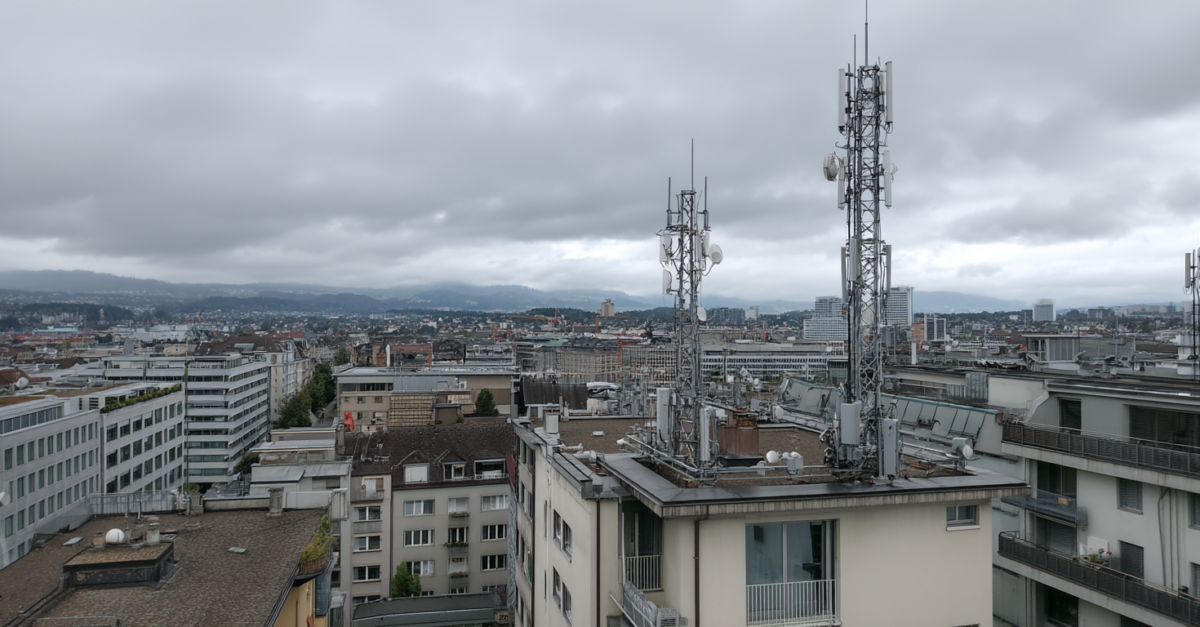

The Federal Council is tightening the requirements for the reliability of mobile networks. In future, operators will have to install an emergency power supply at key locations and antennas that will maintain operations for at least four hours in the event of power outages.
The focus is on the safety of the population. Emergency calls, traditional telephony and Internet access should continue to function even if the regular power grid fails. This also explicitly includes radio programs that are broadcast via the Internet as an information channel in crisis situations.
Staggering until 2034
The new requirements do not apply to all services equally or immediately. From 2031, emergency calls must be possible for at least four hours. Other mobile services, such as general data traffic, will only have to be secured over this period from 2034.
In order not to overload the networks in a shortage situation, operators will also be given clear room for maneuver. They will be allowed to restrict the transmission of videos and TV programs in order to secure capacity for priority services such as emergency calls, voice connections and central information services.
Compromise after criticism from the industry
The Federal Council originally planned much stricter requirements. The mobile networks should have remained stable even in the event of power outages lasting up to three days and repeated shutdowns. Telecommunications companies and trade associations criticized these requirements in the consultation process as hardly feasible and too costly.
In a moderated dialog led by Federal Councillor Albert Rösti, mobile network operators and the administration agreed on the solution that has now been adopted. It increases the level of protection of the networks without overburdening the industry with maximum scenarios and is in line with what other European countries are also demanding.
Examination of further hardening
The partial revision of the Telecommunications Services Ordinance is not the end of the discussion on security of supply. In a second stage, the responsible department is examining the extent to which further hardening of the grids is realistically feasible for scenarios such as power shortages or outages lasting several days.
Several federal departments are working together on this, including Economic Affairs, Education and Research as well as Defense, Civil Protection and Sport. By the end of 2027 at the latest, it should be clear whether and how additional measures are necessary to ensure that Switzerland is provided with the most reliable mobile services possible, even in extraordinary situations.