Billion-euro investment drives expansion of energy storage systems
In future, Energy Vault will handle project planning, construction, commissioning and service contracts via the new subsidiary Asset Vault. This is to receive an investment of USD 300 million from an infrastructure fund and place all orders with Energy Vault.
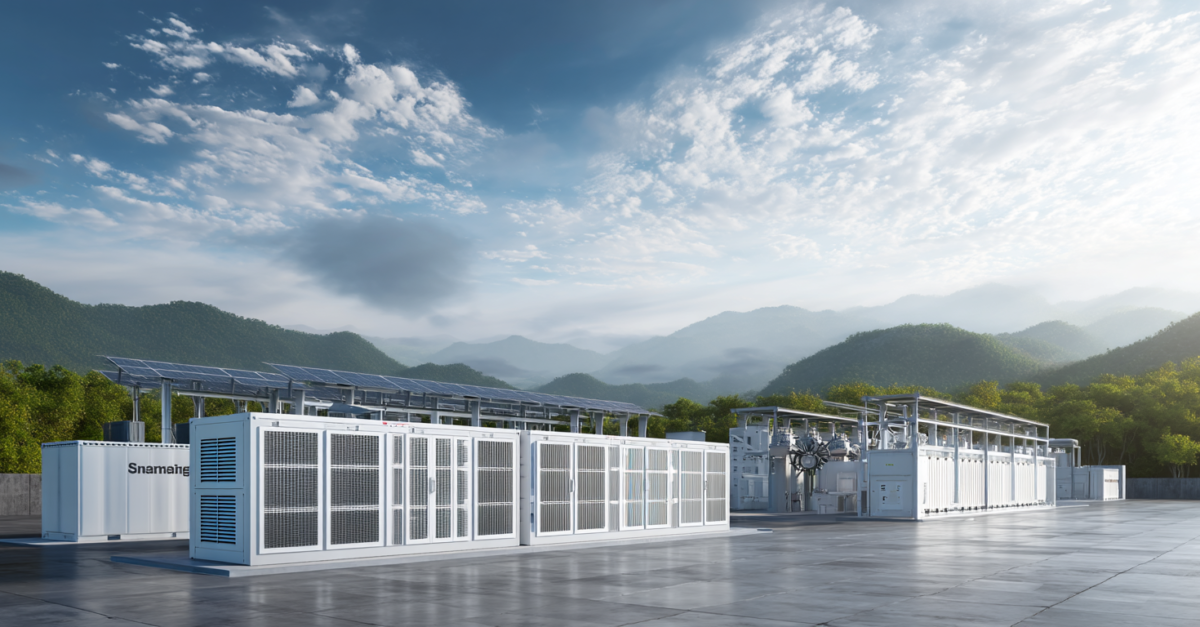
Energy Vault announces the foundation of its subsidiary Asset Vault. This is to be financed by a preferred equity investment of USD 300 million from an unnamed multi-billion dollar infrastructure fund. According to a press release, the Lugano and California-based developer of energy storage systems expects this to release more than 1 billion dollars in investment. The aim is to accelerate the deployment of energy storage projects with a newly installed capacity of 1.5 gigawatts in the USA, Europe and Australia.
Asset Vault will reportedly be dedicated to developing, building, owning and operating energy storage assets in the world’s most attractive energy markets, either independently or in conjunction with generation assets. Crucially, Energy Vault will retain voting and operational control of Asset Vault. Energy Vault expects the transaction to close within the next 30 to 60 days. Asset Vault will then be established as a fully consolidated subsidiary. All energy storage facilities, which are secured by long-term purchase agreements and which guarantee the monetisation of the projects, are to be bundled in this subsidiary. Asset Vault is expected to generate recurring EBITDA of over 100 million dollars over the next three to four years, complementing Energy Vault’s existing energy storage business.
This “unlocks the full potential of our own-and-operate strategy for storage IPP with immediate investment flexibility,” Robert Piconi, Chairman and CEO of Energy Vault, is quoted as saying. “By combining long-term contracted revenue with strategic capital and integrated, self-executed project delivery, we are well positioned to scale a resilient, mission-critical energy infrastructure to meet the current demands of renewable energy expansion and the massive increase in energy demand from data centre AI infrastructure.”