Mega merger with a signal effect
Rio Tinto and Glencore are negotiating a potential mega merger that could create the world's largest mining and commodities group with a strong focus on copper. Rio Tinto must decide by February 5, 2026 at the latest whether a binding offer will be made. Whether the Zug-based group will actually be swallowed up is completely open.

Glencore and Rio Tinto have confirmed that they are in preliminary discussions about a possible combination of “some or all” of their businesses. An all-share deal, structured as a court-sanctioned scheme of arrangement in which Rio Tinto acquires all of Glencore, is considered likely in the market
Under UK takeover law, Rio Tinto has until February 5, 2026, 5 p.m. London time, to publish a “firm intention to make an offer” or terminate discussions. This is the classic “put up or shut up” deadline. Both companies expressly emphasize that there is no certainty that a formal offer or even a deal will be made
Possible deal structure and strategic logic
A mega-merger with a combined enterprise value of well over 200 billion US dollars is being discussed. It would create one of the largest mining and commodities groups in the world with over 200,000 employees. The spectrum ranges from a full takeover to partial transactions, for example with a focus on Glencore’s copper mines and other energy transition metals
The sticking point is Glencore’s coal business and its extensive trading portfolio. Rio Tinto has exited the coal business and is unlikely to have much interest in a permanent return. Scenarios range from a temporary takeover followed by a spin-off to a deal in which only selected assets such as copper are integrated into Rio Tinto
Copper as a driver
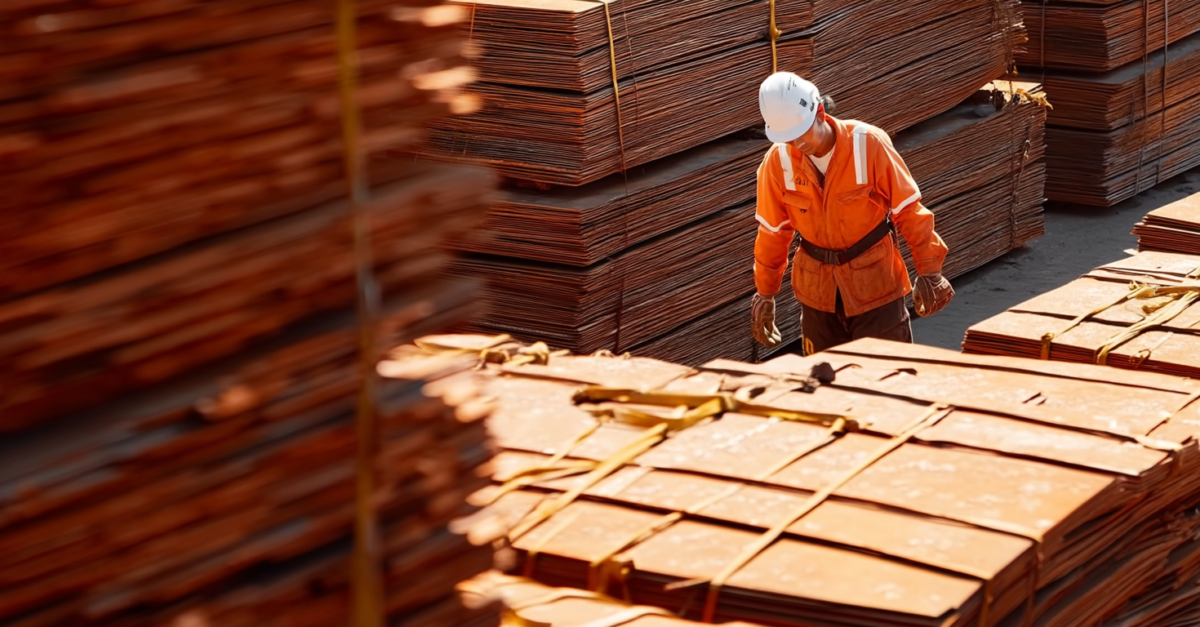
Strategically, the focus is on access to raw materials for decarbonization and digitalization. Both groups have significant copper reserves. Together, they would become a dominant supplier of a metal that is indispensable for grid expansion, e-mobility, renewable energies and energy-intensive data centers
Analysts point out that copper demand could increase by around 50 percent by 2040, while supply lags behind at times. An environment that rewards size, capital strength and pipeline depth. A merger would further drive consolidation in the global mining sector and strengthen the market power of a few heavyweights
Significance for Zug and Switzerland as a commodities center
Glencore, headquartered in Baar, is one of the most important commodities groups and taxpayers in Switzerland, with around 1000 employees working in the Zug area. In the event of a share deal, the group would probably be integrated into a global Rio Tinto structure, but details of the headquarters, listing, governance and functions in Zug are still open