HSLU optimizes metal recycling with AI
Artificial intelligence and smart sensor technology are revolutionizing the Swiss metal cycle. Two recent studies by HSLU show how intelligent sorting increases the value of recycled metals, avoids downcycling and enables a resilient, import-independent supply of raw materials.
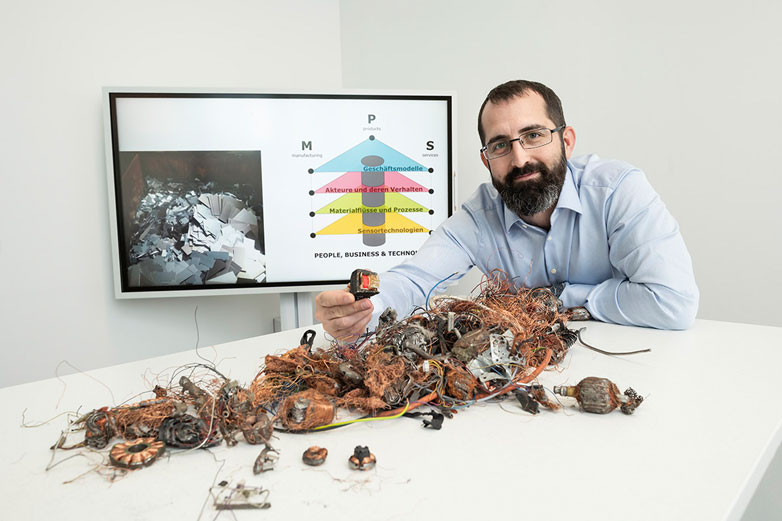
Almost two million tons of scrap metal are generated in Switzerland every year, of which up to 95% is recycled. However, the high return rate conceals a central problem. Impurities, such as copper in scrap steel or tin from coatings, make a large proportion of recycled steel unsuitable for high-quality applications. Instead of being used in vehicle construction or mechanical engineering, this steel is mostly used in civil engineering, where lower purity requirements apply.
Downcycling is economically and strategically risky
The so-called downcycling effect means that valuable raw materials are not used optimally. As a country with few raw materials, Switzerland is dependent on imports for high-quality metals. Every tonne that is recycled to a high standard strengthens the autonomy and resilience of the Swiss economy, especially in politically uncertain times.
AI sensor technology for efficiency and quality
In the ReRe research project and the Innosuisse project Reinvent, HSLU and partners are demonstrating how intelligent sensors, combined with self-learning AI, enable precise analysis of scrap metal at collection points. Critical components such as batteries or pressure vessels are detected at an early stage, which significantly improves the sorting processes. If only 15% of the returned scrap is recycled to a high quality, up to 36,000 tons of CO₂ and around 30 million Swiss francs can be saved annually.
Systemic approaches for a modern circular economy
The Reinvent study, funded by Innosuisse, analyzed the entire metal recycling system, from material flows and players to business models. In addition to technological innovations, standards, transparency and reliable traceability data are essential, as are economic incentives for all stakeholders along the value chain.
Ensuring future viability
Among other things, the HSLU scientists recommend integrating sensor technologies across the board, creating standardized data systems for traceability and strengthening cooperation across all stakeholder groups. The targeted promotion of reuse practices should also be anchored in technology and regulation so that high-quality recycling becomes the industry standard.
Metal recycling as the key to Swiss raw material sovereignty
With AI and systemic innovations, scrap metal becomes a valuable material. Switzerland can close the raw materials cycle and build a sustainable, resilient industry.