Simple building needs courage and less bureaucracy
In Switzerland, "simple building" is not failing because of the law, but because of uncertainty, overregulation and a lack of trust. SIA legal advisor and National Councillor Beat Flach calls for more pragmatism, less bureaucracy and a strengthening of existing buildings.
The term “building type E” stands for straightforward, pragmatic construction with reduced standards. This is enshrined in law in Germany and is possible in Switzerland as long as the minimum legal requirements such as fire protection and statics are met. Obstacles do not arise from paragraphs, but from excessive comfort requirements, a lack of expertise on the part of the authorities and pressure from investors.
Conversion instead of new build as a lever
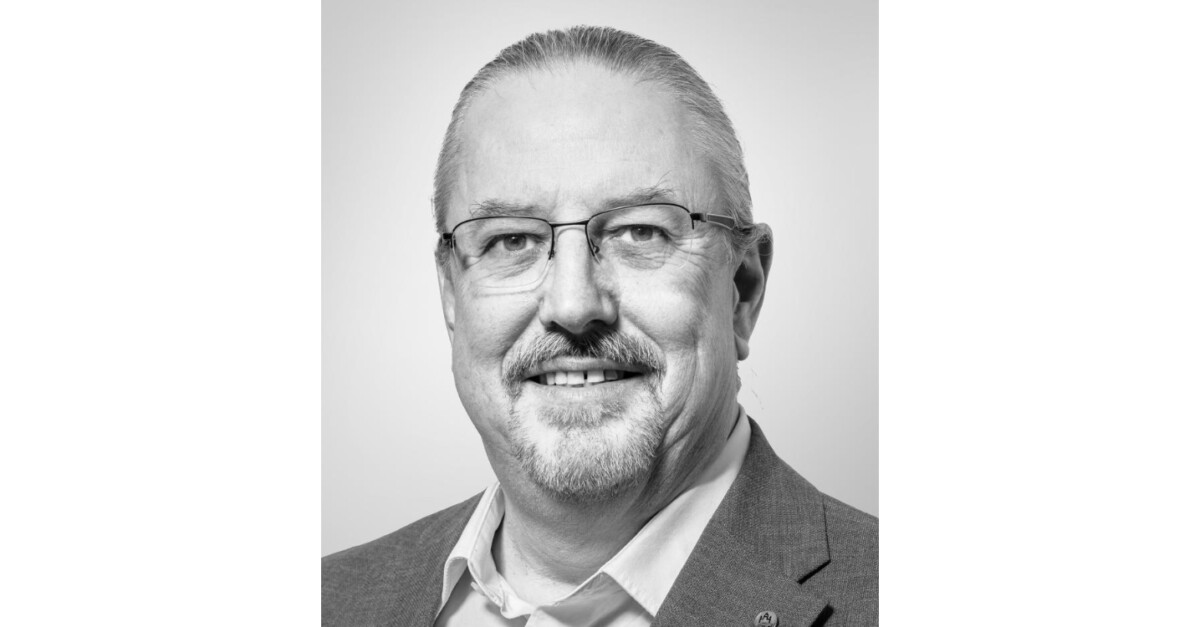
The current regulations reach their limits, particularly in existing buildings. Conversions are often assessed according to the standards of a new building, which drives up costs and hurdles. Beat Flach, lawyer, National Councillor and SIA legal consultant, calls for more proportionality. Conversions should be treated more pragmatically, including when it comes to energy requirements. This would allow new, more affordable apartments to be built more quickly and save CO₂ at the same time.
Standards as an opportunity, not a shackle
SIA standards are not a rigid corset, but allow for alternative approaches. Planners can also achieve goals in other ways or define them through agreements. It is crucial that architects, engineers and authorities recognize and make use of this leeway. The fear of objections and dependence on third-party guidelines are currently leading to unnecessary bureaucracy and rising construction costs.
Reforms for building permits
The procedures are considered overly complex. Flach advocates a two-stage approval process. First a simplified examination of the central issues with the possibility of objection, followed by detailed clarification. This would give investors security, speed up the construction process and reduce costs.
“Simple construction” does not mean less quality, but more courage to find pragmatic solutions. The key lies in conversion, in more flexible standards and in clear political guidelines. Only when planners, authorities and politicians pull together can construction become faster, cheaper and more sustainable.