
This decline brings the upward trend of recent quarters to an end for the time being and, according to UBS, means that the nationwide risk remains in the ‘moderate’ category. The threshold for increased risks is 1.0 points, whilst an acute risk of a bubble only arises above 2.0 points.
The index was buoyed primarily by income growth. Household incomes rose more sharply than house prices in the third quarter. At the same time, the volume of outstanding mortgages grew slightly more slowly, at 3.0 per cent year-on-year. In relation to income, home ownership thus became slightly more affordable.
Prices are outpacing rents
Nevertheless, the market has not entered a lull. In the third quarter of 2026, home ownership cost 3.5 per cent more than a year earlier. Newly advertised rents rose by 1.7 per cent over the same period, whilst existing tenancies increased by 1.4 per cent. Despite slightly higher mortgage interest rates, home ownership remained more affordable than renting a comparable flat when measured in terms of running costs.
Hotspots remain under pressure
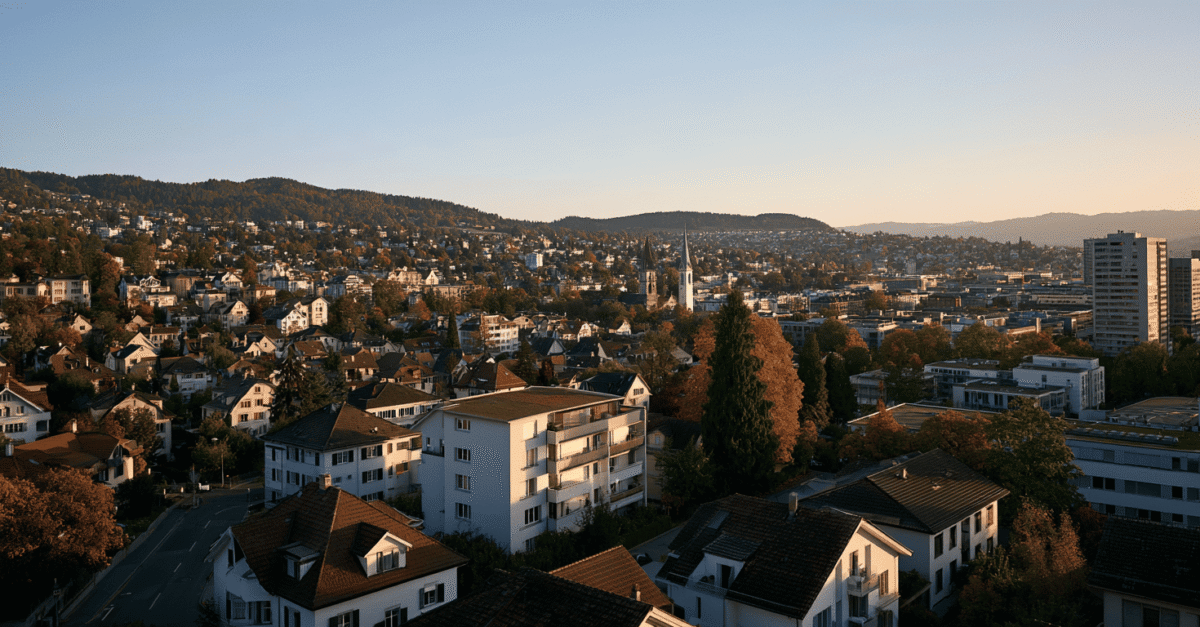
UBS identifies the greatest regional imbalances in the tourist regions of Graubünden, where strong demand for second homes meets a limited supply. Among the major cities, Zurich stands out. The bank also identifies increased risks in parts of Central Switzerland and on the Vaud side of Lake Geneva.
2027 is unlikely to bring any relief
For 2027, UBS economists expect robust demand for home ownership despite likely increases in key interest rates. House prices are expected to rise by 2.5 to 3.0 per cent, once again outpacing income and rents. The bank continues to regard a widespread fall in prices in the coming quarters as unlikely, given low interest rates and limited new-build activity.