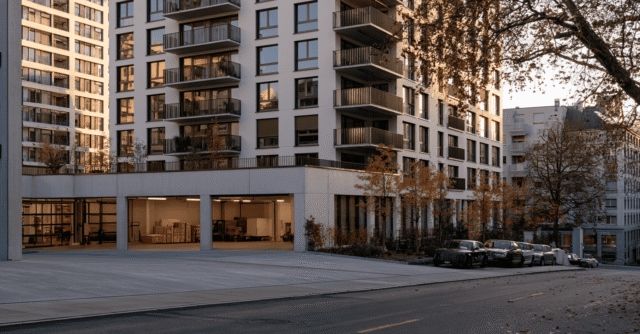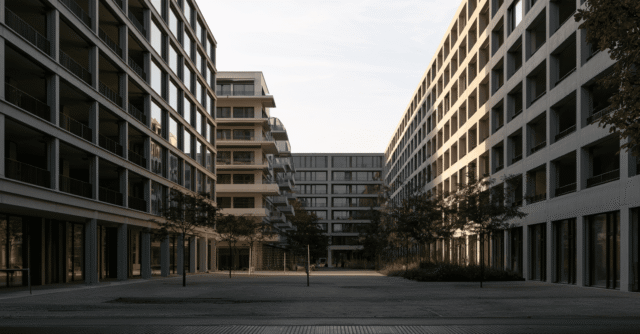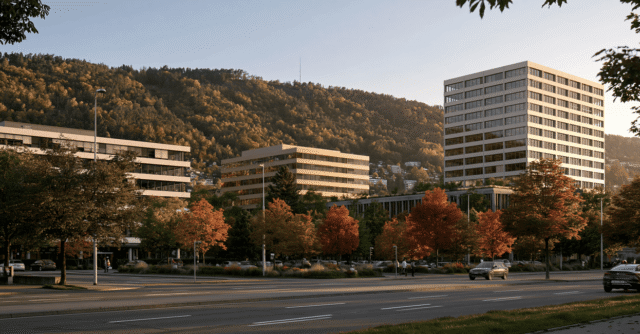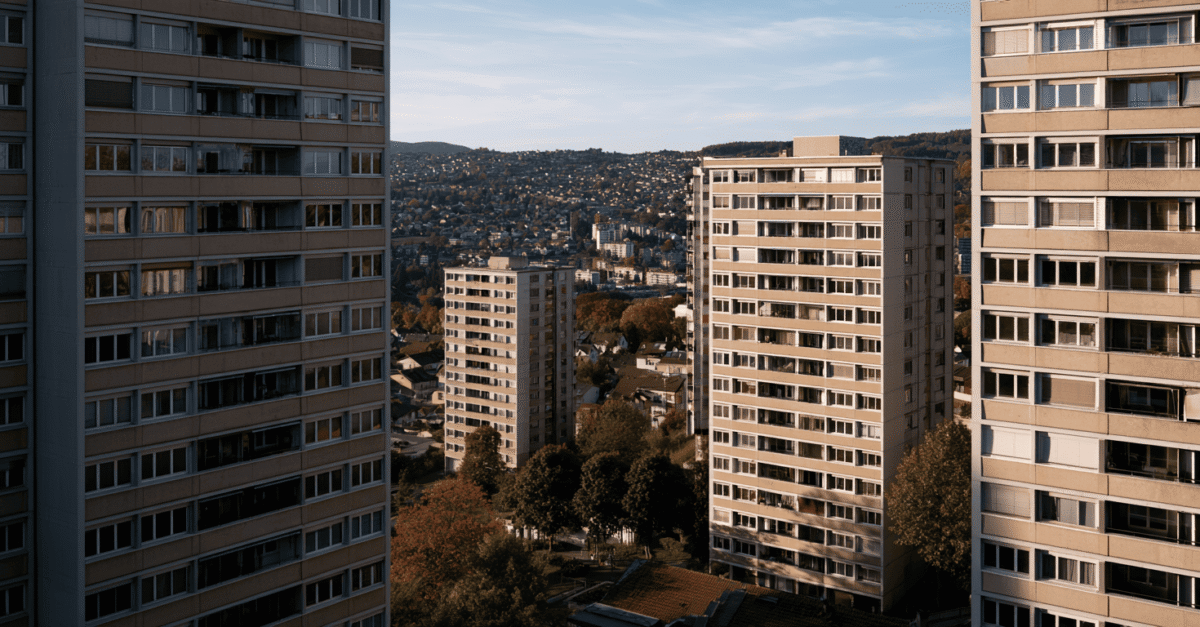

On 1 June 2026, there were 45,493 vacant flats in Switzerland. This represented 0.93 per cent of the total stock, which was lower than the previous year’s figure of 48,455 vacant flats. The decline in the number of rental flats is particularly significant for the rental market. The vacancy rate for these fell from 37,194 to 34,690 units within a year.
However, it is precisely this national easing of pressure that masks a divide between urban centres and other sub-markets. In the canton of Zurich, the vacancy rate rose from 0.48 to 0.52 per cent, whilst the number of vacant flats increased from around 3,800 to 4,200. At the same time, Fribourg and Jura also reported significant increases in rental property vacancy rates, whilst the majority of cantons recorded falling figures.
Central areas are no longer moving in unison
The trend in the major labour market centres is particularly striking. In 2026, the Greater Zurich Area was the only one of the seven major regions to see a rise in the vacancy rate. This supports the observation that, even in an overall tight market, additional supply in expensive centres is not automatically absorbed.
The source material attributes this shift to uneven demand trends and regional variations in the expansion of supply. For the city of Zurich, an increase in supply of just under 15 per cent is cited. If, at the same time, the growth in demand is weaker than in neighbouring regions, the risk of new vacancies rises despite the tight overall situation.
Central Switzerland is filling flats more quickly
The trend was the opposite in many regions of Central Switzerland. According to the regional data analysed, rental property vacancy rates fell particularly sharply in Zug, where they dropped by around two-thirds. Parts of Schwyz and Lucerne, as well as individual tourist regions, also recorded significant declines. This points to stronger absorption outside the most expensive centres.
For developers, investors, estate agents and property managers, the practical implication is clear. By 2026, the Swiss rental housing market can no longer be explained by a single national vacancy rate model. The decisive factor will be whether new supply in high-price prime locations meets sufficient solvent demand, or whether the search shifts more strongly towards neighbouring regions.