

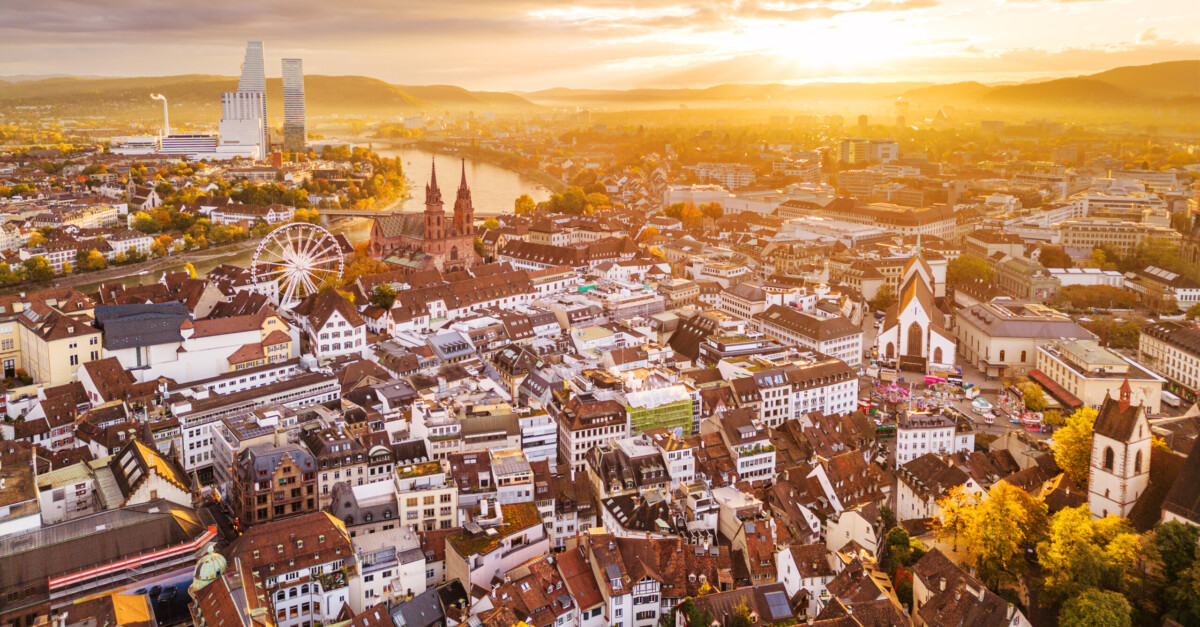
Basel-Stadt is a prime example of the sustainable transformation of European industrial regions. A new urban culture is growing on what were once closed production sites, combining density, diversity and participation. Areas such as VoltaNord are creating affordable living space and promoting social diversity. Klybeckplus and Klybeckquai are opening up the Rhine area for living, education and leisure. A milestone for urban networking by 2037.
The cityscape is also changing on the outskirts. The Dreispitz-Nord area combines commerce with urban living, while the Wolf area and Walkeweg are giving rise to new forms of energy-efficient, neighbourly neighbourhoods. In the north, Vordere St. Johann is developing into the region’s centre of knowledge and health with its campus, university and hospital. Projects such as Westfeld are creating places of coexistence that combine building culture, sustainability and social innovation.
Basel is thus becoming a laboratory for the urban future – characterised by cooperation, down-to-earthness and foresight.
Rosental Mitte
Rosental Mitte is developing from a closed industrial area into a permeable, diverse business location. In addition to workspaces, the canton of Basel-Stadt is gradually creating new spaces for living and leisure. Existing structures are being respectfully rebuilt, with historical elements retained as anchors of identity. Public paths and green spaces connect the neighbourhoods, promoting interaction and mobility. One third of the apartments are being built in the affordable segment. Rosental Mitte stands for forward-looking urban development and sustainable urban quality of life.
rosentalmitte.ch
VoltaNord
VoltaNord is a lively district for around 1,500 to 2,000 residents and up to 2,500 jobs being built on the former Lysbüchel site in the north of Basel. Two-thirds of the new flats are affordable and promote social diversity. The development combines dense working and living with added value for the St. Johann district. A new primary school and attractive open spaces make the site a future-oriented place to live, learn and work.
voltanord.ch
klybeckplus
The former industrial site in the north of Basel is being transformed into a mixed-use urban quarter between the Rhine and Wiese rivers. Around 300,000 square metres of space for living and working is being created for up to 15,000 people. Owners Rhystadt AG and Swiss Life AG are developing the site in collaboration with the canton of Basel-Stadt. The 2022 urban development model forms the basis for this. New tram lines, roads, parks and school locations are creating a network of future-oriented neighbourhoods with an urban character.
klybeckplus.ch
Klybeckquai & Westquai
Klybeckquai and Westquai are being transformed from industrial port areas into lively urban landscapes on the Rhine. The relocation of the port railway is creating space for new uses and opening up the urban landscape towards the water. A mixed-use residential neighbourhood with schools, daycare centres and green courtyards is growing on Klybeckquai. After 2029, Westquai is set to become a diverse location for work, culture, leisure and nature. Both areas are developing into sustainable, future-proof neighbourhoods in line with the Net Zero 2037 initiative.
klybeck-kleinhüningen.ch
Dreispitz North
The Dreispitz Nord area on the eastern edge of Gundeldingen is undergoing change: where the MParc shopping centre, the OBI DIY and garden centre and other commercial enterprises still dominate today, a new, diverse district is emerging. The Christoph Merian Foundation and the Migros Basel cooperative are jointly shaping the future of the area. The urban development concept by Herzog & de Meuron enables the development of residential space and attractive green and open spaces, and promotes a mixed-use, forward-looking neighbourhood with a lively character.
dreispitznord.ch
Walkeweg site
The six-hectare Walkeweg site in the south of Basel is being developed into a lively, family-friendly residential neighbourhood. Up to 650 people will be able to live here affordably and energy-efficiently. The canton and SBB are working with building cooperatives to create a diverse range of affordable and compact apartments. A new primary school, spacious natural areas, communal courtyards and a green neighbourhood square and park create space for social interaction and sustainable quality of life. The development follows the principle of “low cost – low energy”.
areal-walkeweg.ch
Wolf site
The Wolf site is being transformed from a freight station into an urban district with a variety of uses. Around 550 flats are being built in the west, a third of which are affordable, while the east will feature office, logistics and commercial space as well as public facilities. Historic buildings are being preserved and integrated into the new courtyard structure, which places particular emphasis on noise and space concepts. SBB is developing and investing here as the owner, creating socially diverse and sustainable living spaces on around ten hectares in the heart of Basel.
wolf-basel.ch
Vorderes St. Johann
Vorderes St. Johann in the north of Basel is developing into an important location for research, education and health. Over the next few years, new buildings for clinics, universities, libraries and private research institutes will be constructed around the Schällemätteli campus and the university hospital. The canton is also pushing ahead with the development of new tram lines and transport projects. A total of 16 construction and infrastructure projects are being implemented, supported by both private and public actors, which will secure the future of the district as a centre of knowledge and health.
vorderes-stjohann.ch
University Hospital Basel: Health Campus
With its Health Campus, the University Hospital Basel is pursuing a comprehensive development plan to ensure competitiveness and cope with increasing pressure on usage. New buildings such as Clinic 2 by Giuliani Hönger and Clinic 3 by Herzog & de Meuron offer flexible use, modern processes and urban quality. A new development plan regulates the development of the entire site, including green spaces and listed buildings. The construction projects are expected to be completed by 2039 and will strengthen Basel’s position as a healthcare location in the long term.
unispital-basel.ch
Westfeld
On the former Felix Platter Hospital site in the Iselin district, Westfeld is creating a diverse urban quarter with 525 new apartments, converted existing buildings and space for commercial and social services. The wohnen&mehr cooperative is committed to sustainable construction and promotes new living models and community spirit through a neighbourhood garden, Westfeldplatz square and local services. The second construction phase will bring further apartments, commercial space and a bicycle pavilion. Westfeld is creating new meeting places and enriching the neighbourhood in a sustainable way.
wohnen-mehr.ch
Areas in Basel-Stadt as the engine of the future

More Articles
Zurich pulls the plug on Airbnb accommodation
Zurich is stepping up the fight against the housing shortage and is moving to remove short-term rental properties from the housing market. Airbnb considers the measure to be ineffective. Nevertheless,…
Bern Escalates the Rent Dispute
100,000 signatures against the Federal Council’s counterproposal are further fueling the conflict over abusive rents in Bern. While the Tenants’ Association is calling for stricter controls, real estate associations are…
Lucerne on the cusp of its next phase of development
With the through station, the bypass and the planned partial coverings in Lucerne South, key transport and urban development projects are at a critical juncture. State Councillor Fabian Peter explains…
 immo!nvest+
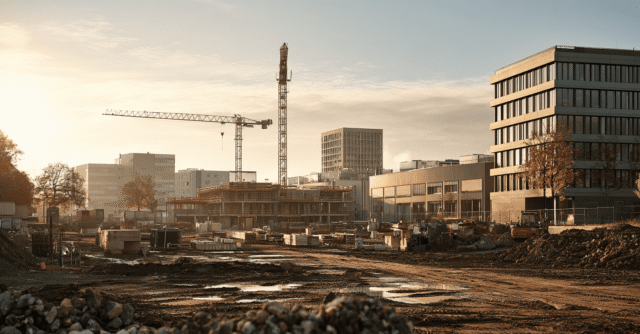
 Construction delays are also holding back the business sector
In Switzerland, lengthy procedures, objections and missed deadlines do not only affect residential construction. A new sector study on speeding up procedures in commercial construction confirms that the same obstacles…
Schwyz’s regional plan is set to be adopted
In the canton of Schwyz, the 2025 revision of the structural plan is moving towards the next political stage. Following the public consultation period, which runs until 22 June 2026,…