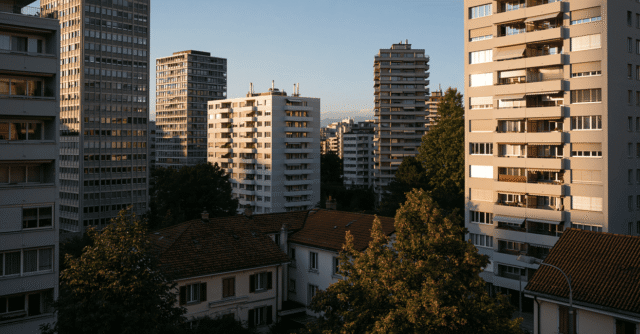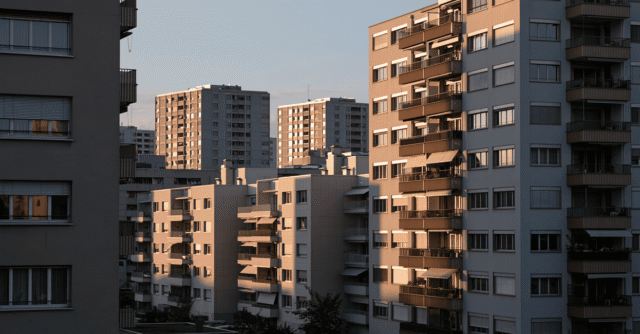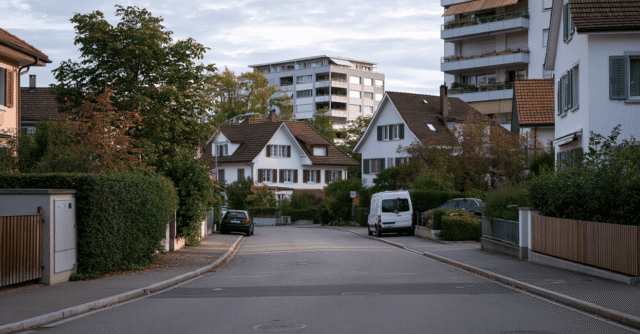
The initiative from Berlin is the immediate catalyst for the next major intervention by the federal government. In early July 2026, the CDU/CSU and the SPD agreed to prohibit the public ownership of private rental housing stock through state laws. The federal government subsequently publicly reaffirmed this course of action.
As things stand today, this will not result in any direct changes to existing lease agreements. Neither automatic rent increases nor new termination rights for landlords are associated with the announced federal law. The practical impact would lie elsewhere. States such as Berlin would lose a tool that could be used to transfer large private housing portfolios into public ownership in exchange for compensation.
Berlin is driving the conflict
The debate is not abstract. Following the election in Berlin, The Left Party intends to bring the issue of socialization into potential coalition negotiations. The focus is on companies with more than 3,000 apartments in the state of Berlin. Depending on how the criteria are defined, approximately 220,000 to 240,000 apartments would be affected. Politically, the issue has been highly charged since the 2021 referendum. At that time, 57.6 percent of voters supported preparing for the socialization of large housing companies.
For tenants, there is no immediate effect
This is precisely why there is such a large discrepancy between the political impact and the immediate effect on everyday life. A federal ban would not immediately relieve or burden tenants. Above all, it would prevent a state from using socialization to influence ownership structures and, thereby, indirectly affect the rent policies of large housing portfolios. How such a ban would affect rents, new construction, and investments in the long term remains to be seen. The real estate industry warns that debates on expropriation could hinder investment. Proponents of socialization, on the other hand, point to the opportunity to more strictly limit rents in large property portfolios.
Legally, the path is by no means clear
Whether the federal government can actually enforce a blanket ban is constitutionally controversial. Article 15 of the Basic Law generally permits socialization. At the same time, the current debate highlights the question of how far federal legislation extends in relation to the states. Federal Minister of Justice Stefanie Hubig has already stated that, in her view, a blanket ban is not possible. This is precisely where the conflict is likely to come to a head—not over existing lease agreements, but over the question of who in Germany has the authority to determine the ownership structure of the housing market.