
Between 2022 and 2025, a total of 384 international companies established operations in the Greater Zurich Area. By the end of 2025, they had created approximately 1,417 jobs. During the comparable period from 2018 to 2021, there were 445 new establishments, resulting in 2,014 jobs created directly.
The figures come from a study by EY, commissioned by the Greater Zurich Area and published on November 20, 2026. Due to changes in the calculation assumptions, the two time periods are only comparable to a limited extent.
Smaller Companies Dominate New Business Settlements
A key reason for this trend lies in corporate structures. International business settlements are increasingly being driven by smaller, specialized companies with lean teams.
Technology sectors are particularly well represented. Approximately 76 percent of the new business locations are in strategic priority sectors identified by the regional organization. These include blockchain, biotechnology, pharmaceuticals, and artificial intelligence.
The companies that have established operations there plan to expand their workforce to a total of approximately 5,311 jobs within five years. These are projected figures and do not represent jobs that have already been created.
New Requirements for Real Estate Locations
This structural shift is significant for the real estate industry. Smaller technology companies often require less space than traditional industrial firms. In return, demands for flexibility, technical infrastructure, and proximity to research institutions are increasing.
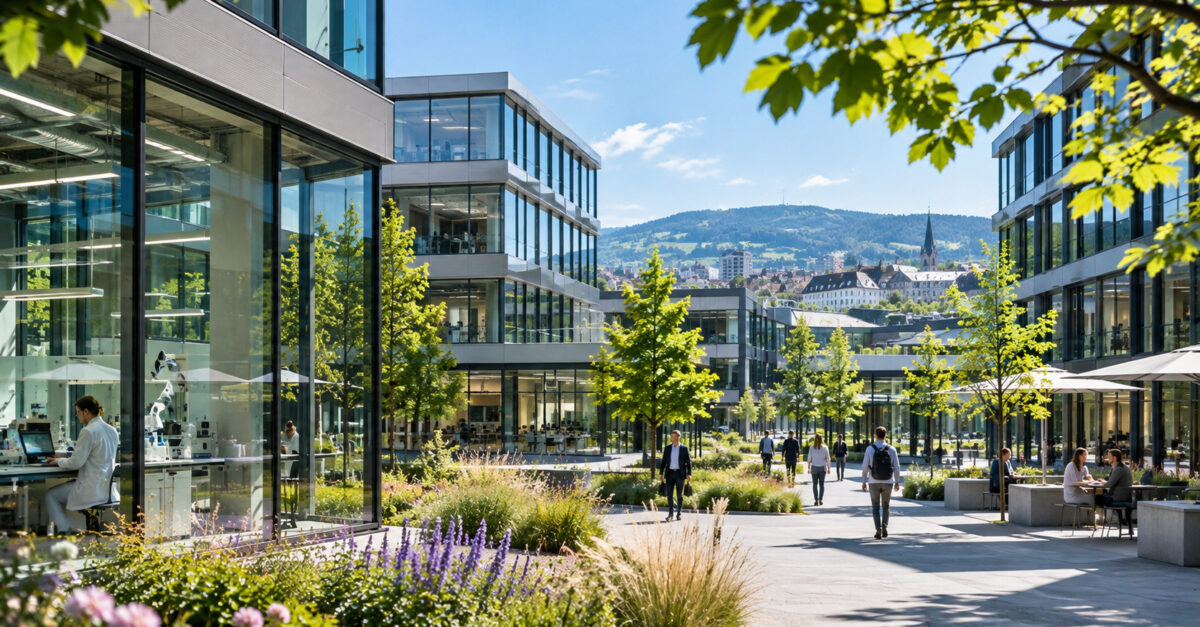
There may be demand for smaller office units, workspaces that can be flexibly expanded, and specialized laboratory spaces. It is becoming increasingly important for site developers to provide suitable options for companies in various stages of growth.
This trend does not automatically mean a decline in demand for commercial real estate. However, it can change the composition of space requirements.
For location promotion, the focus is thus shifting not only to the number of new businesses settling in an area but also to their long-term development. The key factors are whether small companies will become sustainably growing employers and what value they generate in the region.